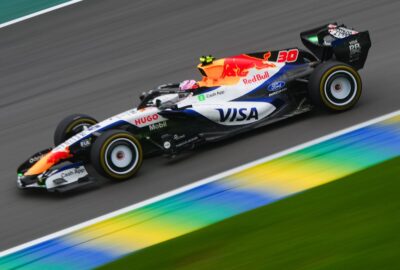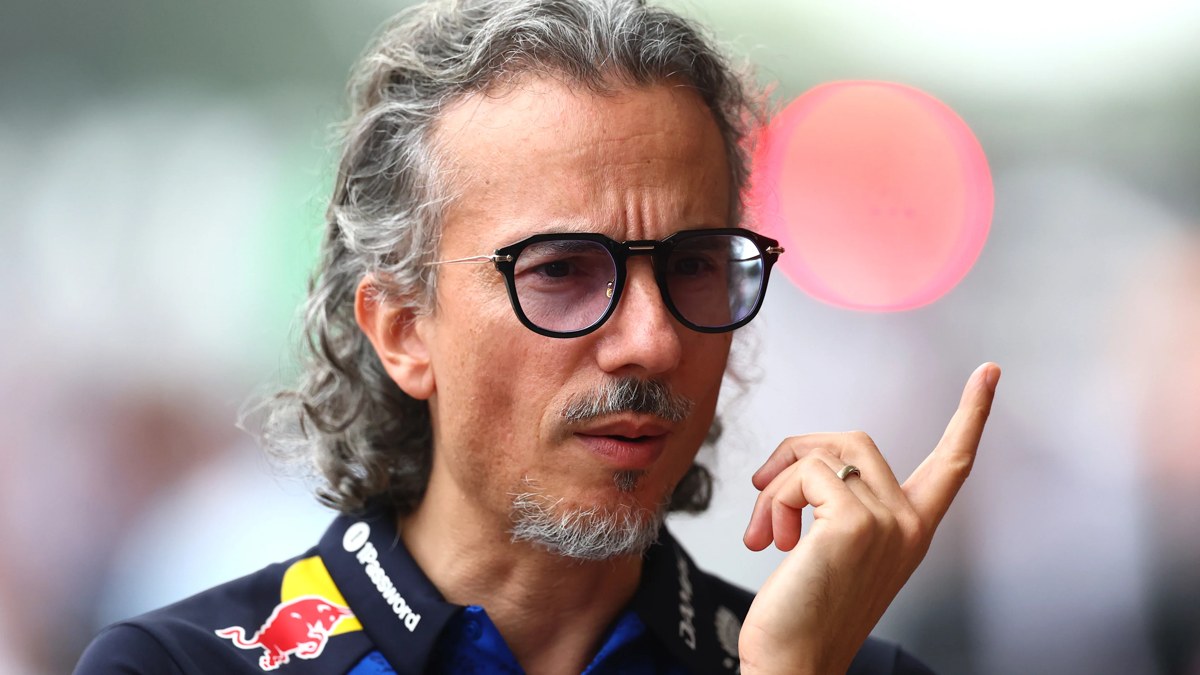
After Red Bull finished second and third in São Paulo, team principal Laurent Mekies explained Max Verstappen’s recovery from 21st and why Isack Hadjar’s position was not returned after a team swap. In Formula 1’s November 9 interview, he praised Verstappen for exceeding pre-race simulation expectations while acknowledging that Norris and McLaren had stronger race pace.
An unplanned starting disadvantage
Mekies highlighted Verstappen’s gain of 14 positions in five laps on his way from 21st to second. He described the opening as something simulation tools would not predict, praising the driver’s execution in difficult conditions rather than claiming a measurable change to the team’s modelling. Verstappen had warned before the race that overtaking with the 2026 cars might be harder than on previous visits.
A small problem on Friday had forced the power-unit change and the associated penalty. Mekies said the pace seen on Friday, Saturday morning and in the first part of qualifying (Q1) made the starting position frustrating, while stressing the challenge of the first year of the new power unit.
Why the drivers did not swap back
Hadjar let Verstappen through during the recovery. Mekies said Red Bull would have considered returning the position if the cars had remained close: Hadjar initially had the pace to stay with his team-mate. They were much farther apart when rain returned, and increasing rainfall late in the race made another exchange impractical.
Mekies rated Hadjar’s performance as his strongest Red Bull race for pure pace, across slicks, intermediates and difficult conditions. He also praised how Hadjar built his weekend after early setup difficulties.
Balance questions remain after the double podium
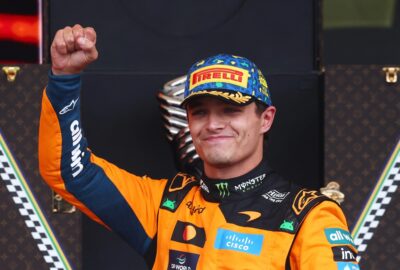
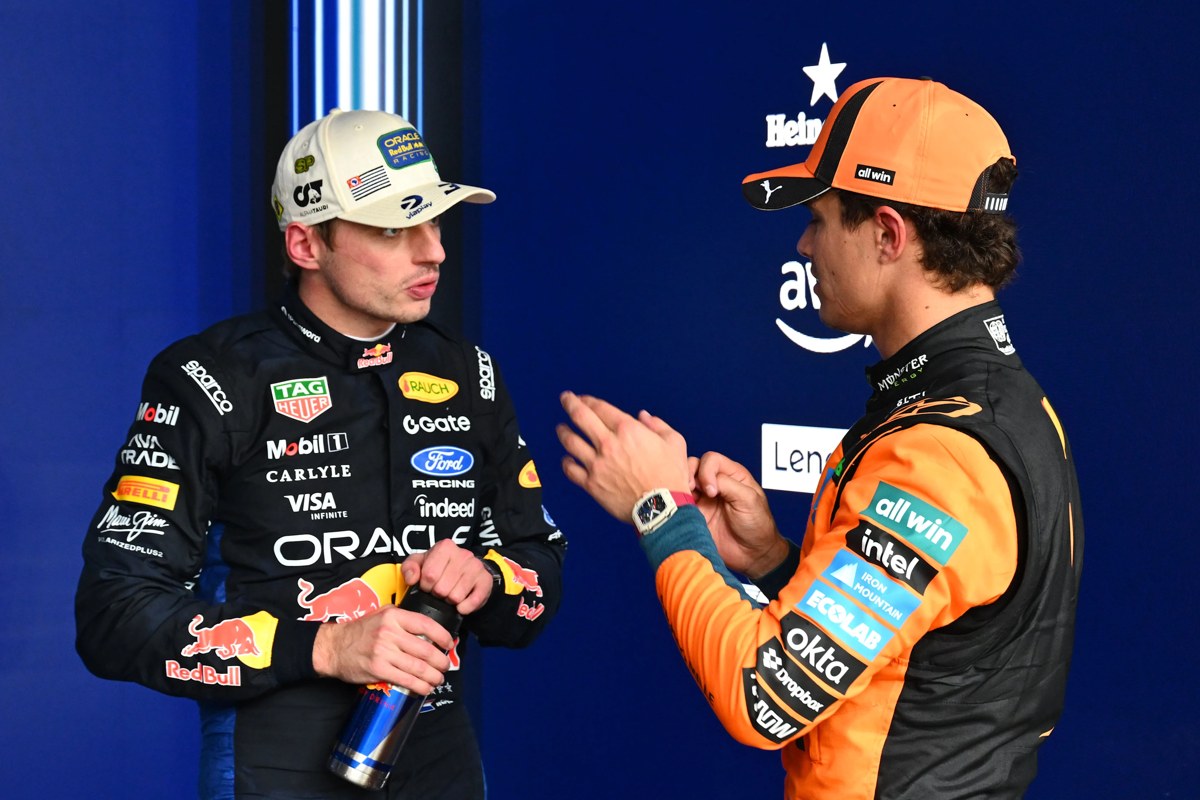
Mekies believed McLaren had generally been a little faster, even in a hypothetical race with Verstappen starting second. He also noted that a front-row start would change the opening phase and reduce the risks required during the recovery. This was his post-race assessment of different starting circumstances.
Verstappen complained about the balance after switching to slicks and remained unhappy when he returned to intermediate tyres at the end. Mekies said Red Bull needed to analyse how much time was lost through balance, degradation, underlying pace or other factors, and whether those losses would have affected a fight with McLaren.
Development and execution in a close front group
Mekies also placed the result in a converging front group, describing four leading teams with visibly different concepts and qualifying margins sometimes around two tenths across the top five. He regarded development and race execution as connected requirements, while presenting the early convergence as his assessment.