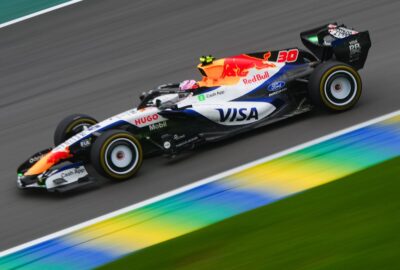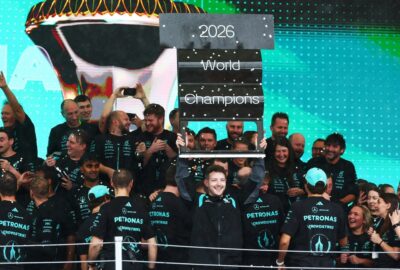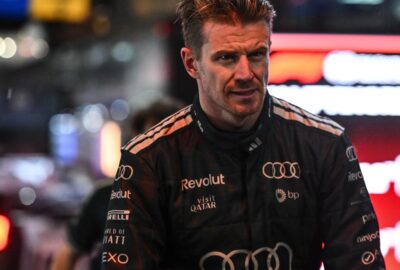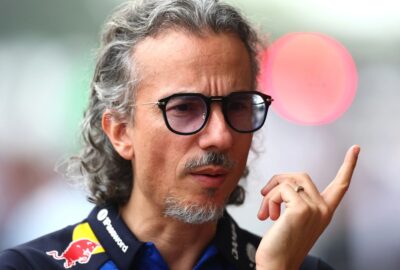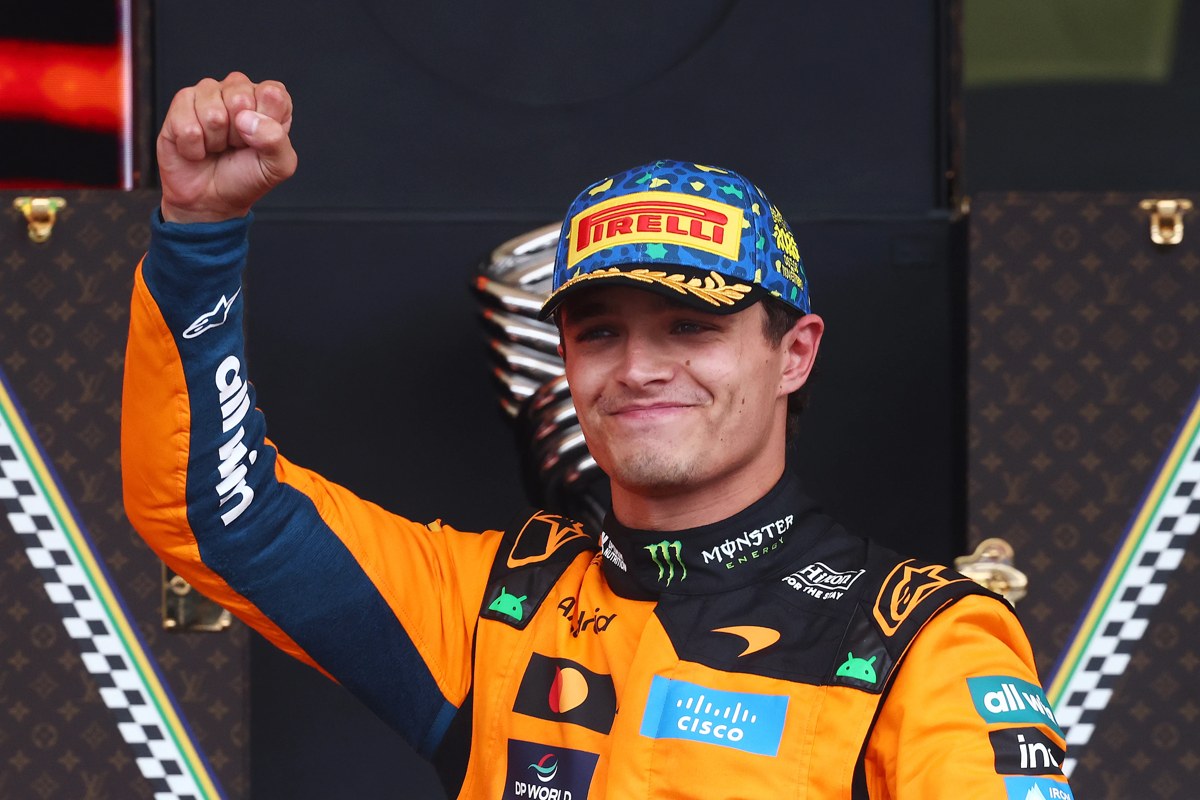
Andrea Stella identified tyre management, driver adaptability and team execution as connected parts of Lando Norris’s São Paulo victory. In an interview published by Formula 1 on November 9, the McLaren boss explained why both drivers took another set of slicks instead of trying to wait for rain. More parts will complement the Brazil upgrade package in Las Vegas.
No single operating window worked throughout
Stella said getting intermediates up to temperature was crucial at the start. He praised the opening progress of Verstappen and Hamilton without attributing it to a single setup choice. McLaren appeared stronger in heavier water and less competitive as the track dried, a pattern also seen during the second part of qualifying (Q2).
Stella first linked the improved dry-tyre performance to lower air and track temperatures. The race was much colder than practice, when McLaren had still tended to overheat its tyres. The cooler conditions helped keep temperatures under control, while consistency over long runs in hot conditions remained work to do.
Norris struggled more initially but maintained grip later on intermediates and softs. Stella singled out his pace towards the end of the soft-tyre stint. Antonelli also became strong later in that stint after struggling and losing position earlier, illustrating how the competitive order changed within the same tyre phase.
Why McLaren stopped again
Running the existing slicks until the rain was discussed, but fresh-tyre runners were demonstrating useful pace. Stella said Antonelli’s additional stop made McLaren’s decision easier: continuing on older tyres carried an immediate pace cost, while the timing and character of the rain remained uncertain. The team was not confident it could simply run those tyres to the finish.
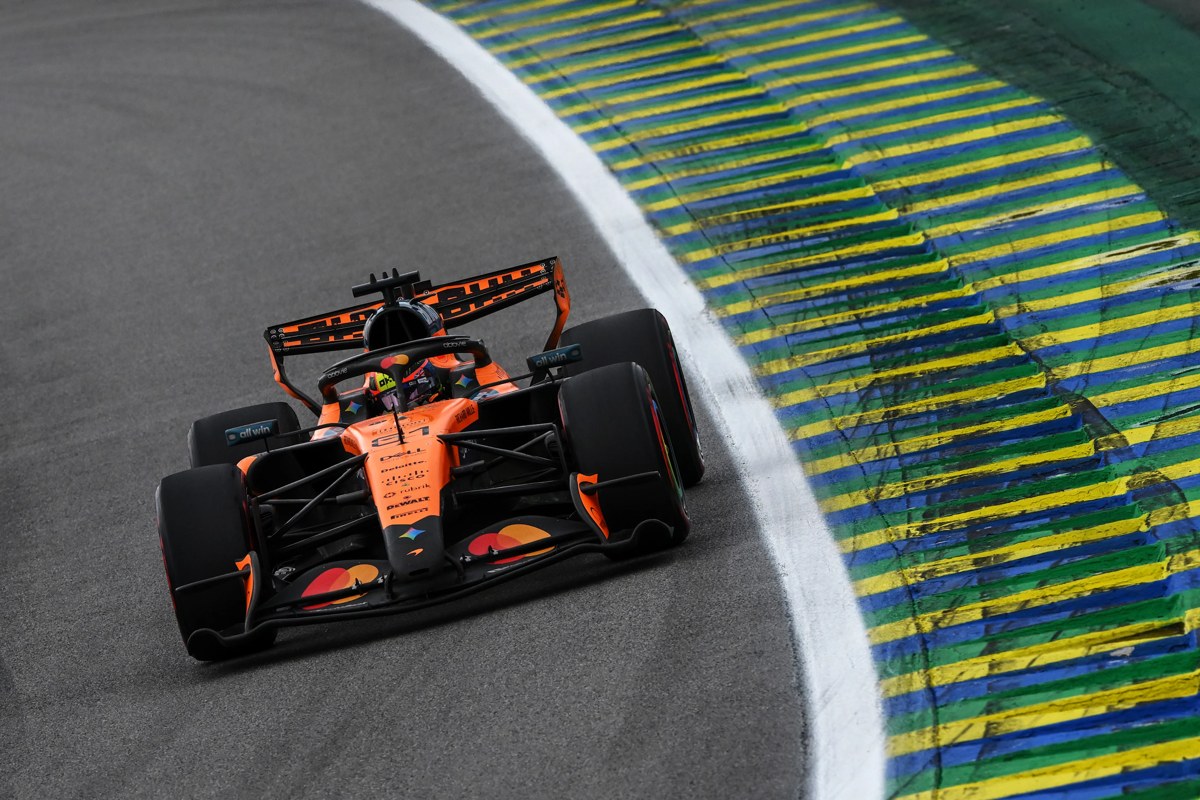
Russell did make the route work by staying on his set until intermediates were needed. McLaren nevertheless chose another set for both drivers as the more rational approach with the information available. Knowing afterwards when the rain arrived does not remove the uncertainty of the original decision.
Further parts for Las Vegas
Stella said the Brazil upgrades form a foundation for next year’s car and will be complemented by additional parts in Las Vegas. He linked the chance to win to those developments together with the conditions, while acknowledging that the current car remains difficult to drive. More consistent pit stops and pit-wall execution also mattered.
INKA SPORTS analysis and conclusion: managing the cost of waiting
The choice compared an observable advantage from fresh tyres with a forecast-dependent opportunity to avoid another stop. Staying out required both timely rain and sufficient remaining tyre performance. Stopping addressed the pace pressure already visible on track. That explains McLaren’s risk calculation without establishing that the alternative was inherently wrong.
Victory alone cannot isolate an upgrade’s lap-time benefit when rainfall, tyre phase and driver adaptation all changed. Comparable running with the additional Las Vegas parts, together with specific feedback on dry-weather balance, will be more informative about whether the improvement carries into a more conventional race.