Finding the working window
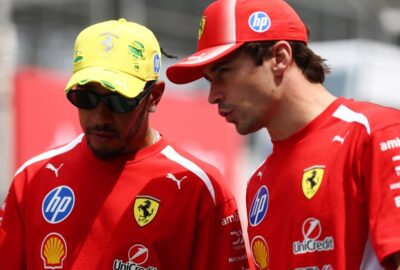
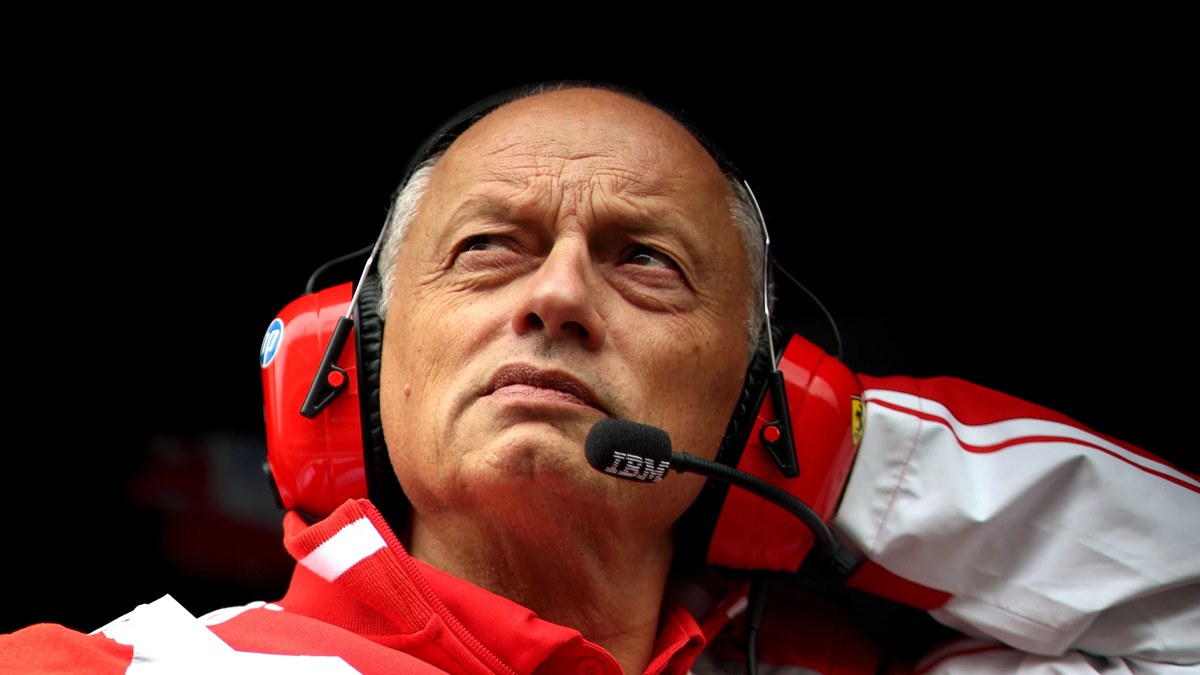
After Ferrari finished eighth and ninth in Sao Paulo, Fred Vasseur connected the result to tyre temperature, straight-line limitations and starting deep in the field. In an interview published by Formula 1 on November 9, he described several interacting problems rather than one decisive pit call.
Charles Leclerc started fourteenth after a ten-place penalty for using a fifth internal combustion engine. Lewis Hamilton received ten places for his fifth engine and another 65 for further power-unit changes. With several drivers penalised, the final grid placed him twentieth. Hamilton gained eleven positions on the opening lap but soon struggled with his intermediates. He was first to switch to slicks—dry-weather tyres without drainage grooves—yet still lacked consistent grip. A spin when the rain returned compounded his difficulties, and he finished ninth, a lap down.
Leclerc found better pace at certain stages, including late in his soft-tyre stint and towards the finish. He contacted Liam Lawson at Turn 12 and completed the pass five corners later. The stewards found that the contact disrupted Lawson and helped Leclerc close in; a five-second penalty moved him from seventh at the flag to eighth. Ferrari therefore scored six points in the final classification.
Why an upgrade is not the whole answer
Vasseur said tyre temperature caused particular difficulty in some phases and conditions. Leclerc’s soft-tyre performance changed markedly during the stint, with his late pace approaching that of rivals on newer tyres.
He contrasted losses of around half a second from missing the tyre window with the tenths commonly associated with upgrades or circuit characteristics. This was his explanation of the relative scale of the problems, rather than a measurement of a specific upgrade’s effect in Brazil.
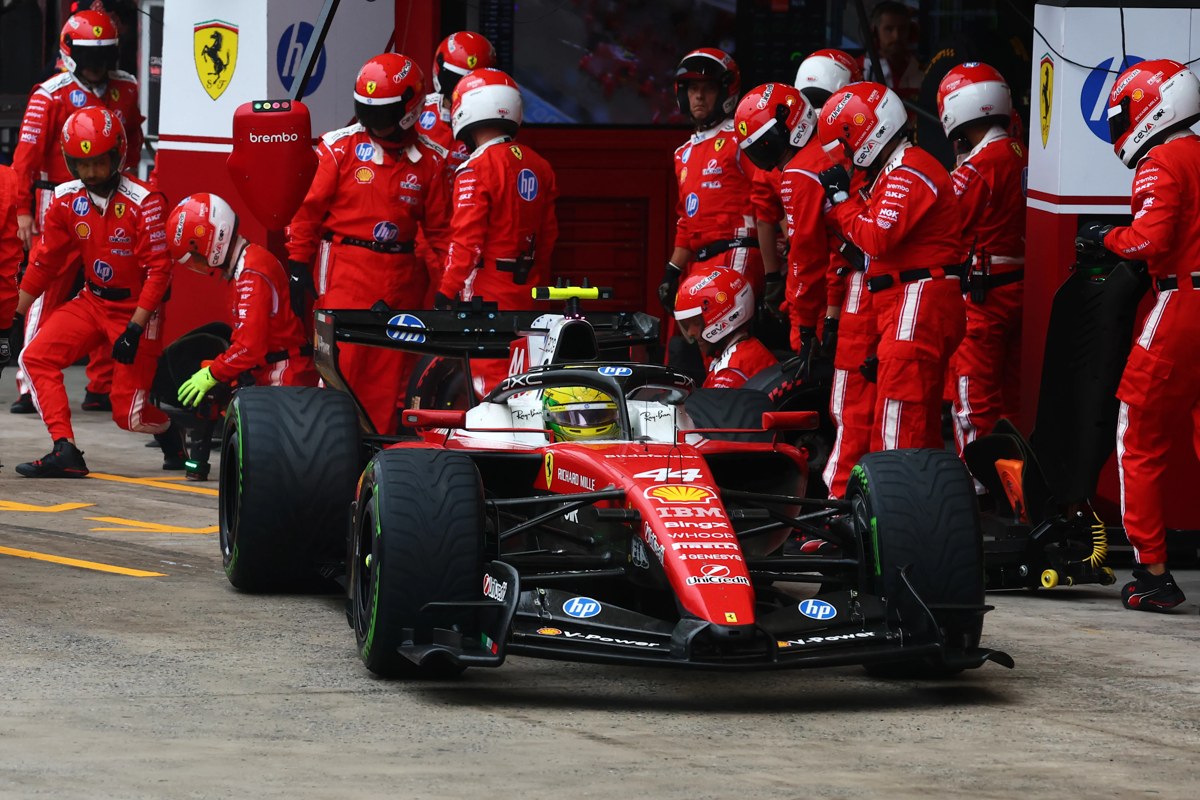
Ferrari could match the pace at times but fell well short at others. Vasseur also linked its straight-line difficulty to the consequences of starting at the back: with only one dry line, overtaking became harder, encouraging more adventurous strategic choices.
An early stop that may have gone too far
Vasseur accepted that Hamilton’s early move to slicks may have been overly aggressive. As a comparison, he pointed out that Fernando Alonso was faster on intermediates on the following lap.
His account connects the sequence: penalties created a recovery task, speed and tyre-temperature problems restricted progress, and Ferrari sought a strategic shortcut. The early stop did not remove the underlying tyre difficulty, while Hamilton’s later mistake also hurt his result.
Vasseur congratulated Mercedes on securing the constructors title. He credited Ferrari’s continued engine development and described the car as competitive in grip-limited conditions. Those remain the team principal’s assessments as Ferrari works to reproduce its pace more consistently.