Recovering after dropping to third at the start
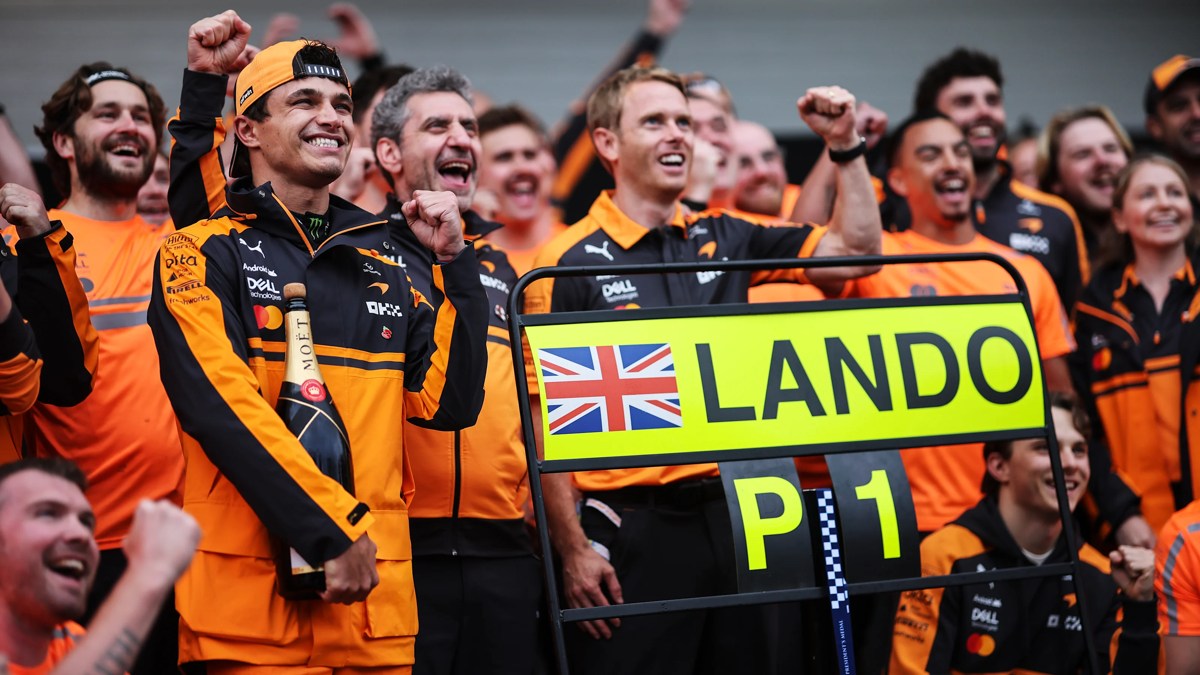
Lando Norris secured his and McLaren’s third victory of 2026 in Sao Paulo. He initially fell behind Kimi Antonelli and Liam Lawson from pole, recovered second and switched relatively early to slicks as the track dried. Antonelli’s spin provided the opening, and Norris eventually beat Max Verstappen by 14.602 seconds.
In his official post-race interview, Norris highlighted composure and avoiding mistakes in difficult conditions. The victory rewarded the team after less productive recent rounds, but he wants further progress before the season ends.
Hardware and circumstances
McLaren brought a new front wing and other updates to Brazil. In the team’s post-race comments, Norris said they had worked as expected and that the gap to the front would have been larger without them. He nevertheless estimated a practice deficit of one or two tenths and said consistent title contention required further progress. Piastri also felt a step forward, while wanting more speed and a car that was easier to drive.
Andrea Stella credited the combined contribution of set-up, strategy, instructions and pit stops. He also identified low temperatures as favourable to McLaren, a relevant condition when assessing the result.
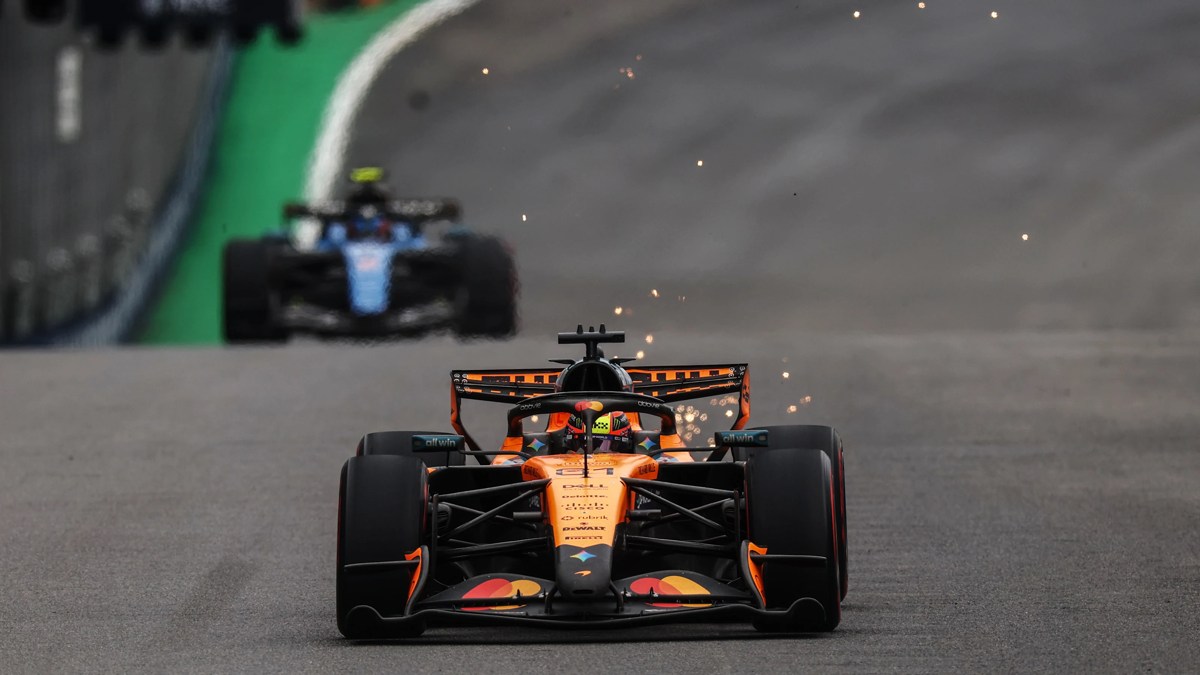
Oscar Piastri finished sixth after taking time to find a rhythm on the slippery opening laps. His soft-tyre pace was more encouraging, and Stella noted time lost in traffic. The same package did not give both drivers identical opportunities.
INKA SPORTS analysis and conclusion: creating and converting an opportunity
How did Norris recover a winning opportunity after losing ground at the start? The crossover depended partly on when each car’s tyres began to work. F1’s reports describe Norris closing on warmed-up softs after his earlier stop while Antonelli, who stopped later, struggled for grip. That gave Norris a chance to apply pressure before his rival settled into the stint; Antonelli’s subsequent spin turned the pursuit into the lead. Norris also credited communication and error-free driving with helping him recover an approximately eight-second deficit.
This sequence supports a combined contribution from tyre decisions and driving execution, rather than assigning the win to the front wing. Alongside Norris’s positive upgrade assessment, Stella identified low temperatures as favourable. Piastri had encouraging soft-tyre pace too, but his opening phase and traffic produced a different result. Brazil showed that this car and effective execution could win in those conditions. Pace and driver feedback from both cars at different temperatures will better test whether the improvement carries over than treating the 14.602-second winning margin as a measure of upgrade value or the 2027 order.