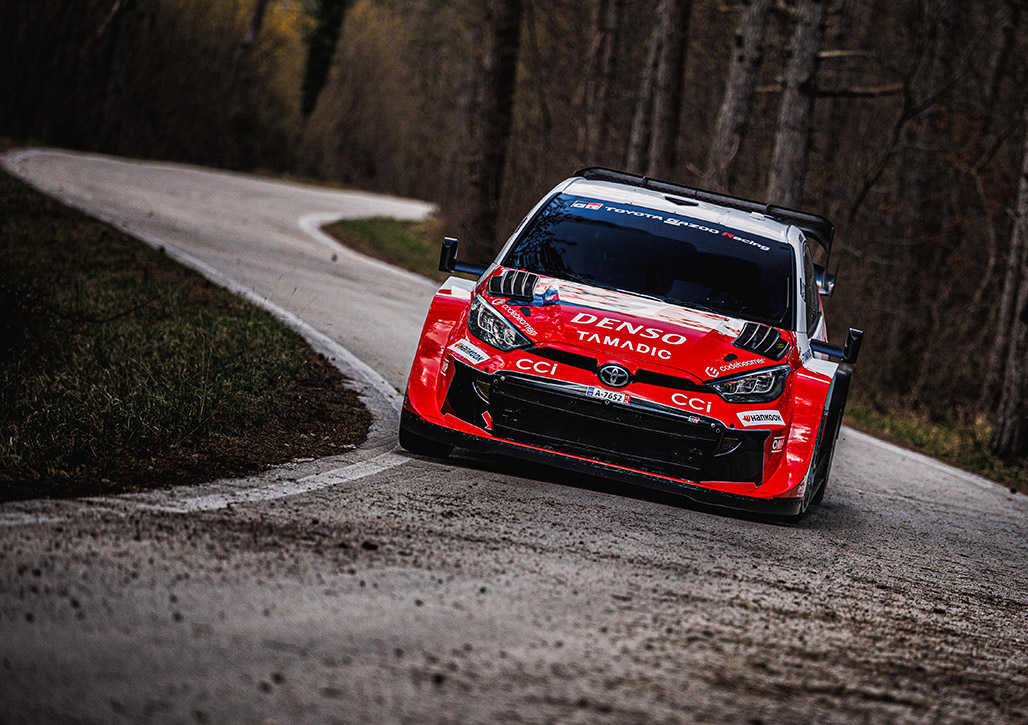
The Croatia Rally, round four of the 2026 WRC, is scheduled for April 9–12, returning to the World Championship after a one-year absence. Unlike previous editions centred on the capital, Zagreb, this year’s event hub moves roughly 150 km southwest to Rijeka on the Adriatic coast, with the service park at Grobnik Circuit. The itinerary comprises 20 competitive special stages covering 300.28 timed kilometres. The teams’ previous experience in Croatia will still help them understand the variable grip on the local asphalt, but their knowledge of the old route cannot simply be carried over: according to the event announcement, all but three stages use roads that WRC crews have not previously contested.
This is the season’s first round held entirely on paved roads. Monte Carlo is also predominantly an asphalt event, but snow and ice in the mountains give tyre selection a particular character; Croatia instead puts the emphasis on different road surfaces, mud dragged out by corner-cutting and the possibility of rain. During reconnaissance, drivers must make fresh notes on corners, road edges, crests and braking points. Once the first car cuts the inside of a corner, gravel may be dragged onto previously clean asphalt, leaving following crews with grip levels that do not quite match their pace notes. A spell of rain can also change the operating window of the same set of tyres in a short space of time.
Toyota arrives with three wins from the opening three rounds: Solberg won Monte Carlo, Elfyn Evans won Sweden, and Takamoto Katsuta claimed his first WRC rally victory in Kenya. Evans still leads the drivers’ standings, with Solberg eight points behind and Katsuta a further three points back. All three Toyota drivers are eligible to score manufacturers’ points at this event. The closeness of the standings means that, while pursuing a strong team result, they cannot avoid competing for positions against their team-mates. Toyota has won all four previous editions of the Croatia Rally held as part of the WRC, but with the event base and roads changing substantially, that record offers no guarantee of a fifth victory.
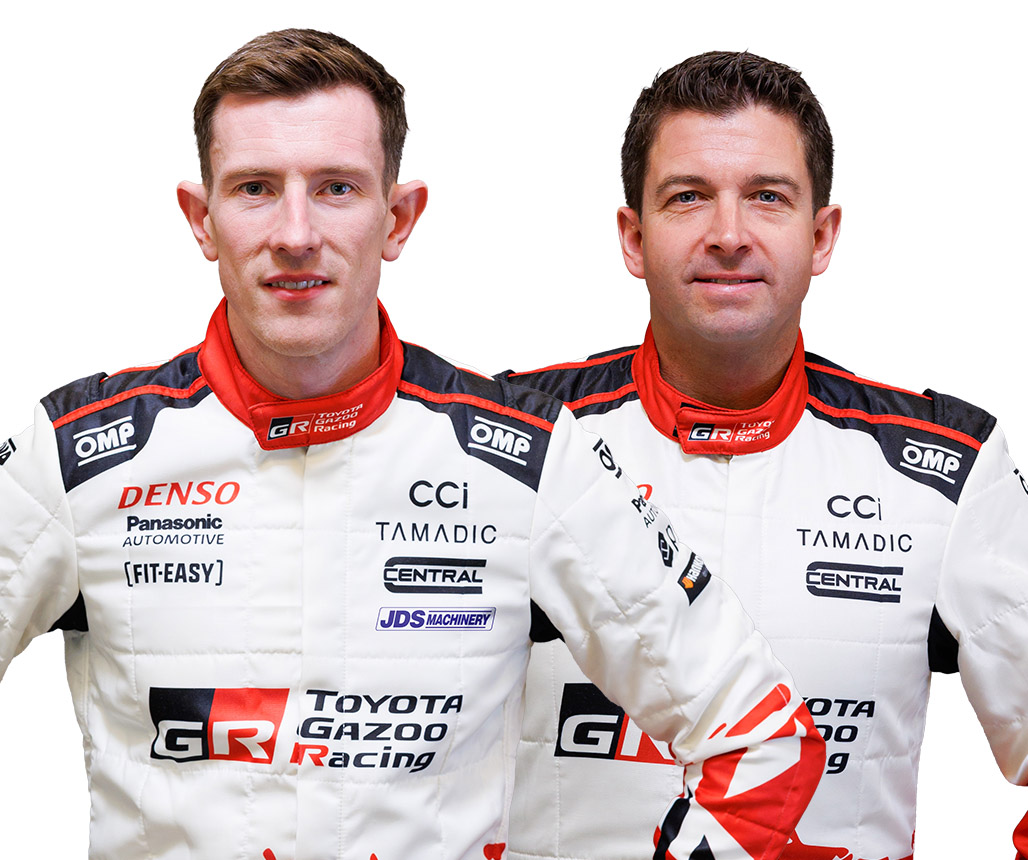
Evans won in Croatia in 2023 and has also finished runner-up twice. He encountered slippery, muddy conditions during pre-event testing and knows that this year’s new coastal roads will require extensive fresh pace notes on reconnaissance. Solberg already has a Rally1 asphalt victory from Monte Carlo, but regards Croatia’s corner-cutting and dirty roads as a different challenge. Katsuta, fresh from victory in Kenya, also spoke of heavy rain and even snow during pre-event testing, underlining that crews cannot prepare solely around a dry-weather setup. Sami Pajari is entered under Toyota’s second team, with consecutive podiums in Sweden and Kenya boosting his confidence; his official overall result will still be classified alongside the other Rally1 cars.
Pre-event testing is scheduled for Thursday morning, followed by a ceremonial start in Rijeka that evening, with no competitive special stages counting towards the rally classification that day. On Friday, crews head west to the Istrian Peninsula, tackling four stages twice, either side of midday service. The eight stages total 126.86 km, making it the longest of the three competitive days. A 23.78 km stage will be used for both SS3 and SS7 and is the longest individual test of the event. The same road cannot be approached in the same way in the morning and afternoon: the second pass may bring more loose gravel, muddy patches and wear at braking points, while the limited time available at midday service must be used to decide on setup and tyres.
Saturday’s eight stages total 115.96 km, with the route moving east of Rijeka. There is no conventional midday service that day; crews have only a 15-minute tyre-fitting zone in Karlovac before continuing onto the repeated afternoon stages with the wear accumulated during the morning. This arrangement links the risks of each stage: if pushing for speed in the morning damages the suspension or tyres, there is less scope to put things right for the afternoon than on a day with full service. Sunday heads southeast towards Kvarner Bay, with two stages each run twice for a total of 57.46 km. The final test, SS20, serves as the Power Stage and awards separate bonus points. The overall rally victory and the bonus points from the final stage must be considered separately.
M-Sport and Hyundai will also view this round as an opportunity on asphalt, and Toyota’s early-season victories will not alter their chance to compete on each new stage. The Canary Islands round follows just two weeks after Croatia, but although both events are on asphalt, their roads and grip levels are different. Crews need to build speed here while avoiding giving up on this event’s points too early in an effort to preserve the car for the next round. What can be verified before the event is the line-up, route and championship situation; any fastest time in testing reflects only the running during testing, while the official classification begins with Friday’s first special stage.