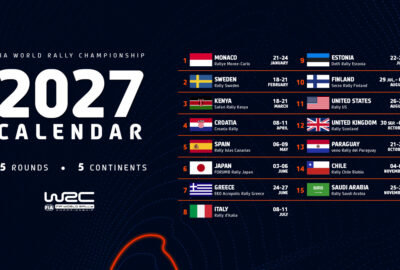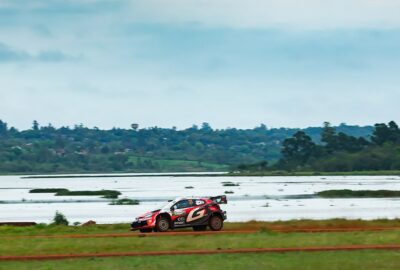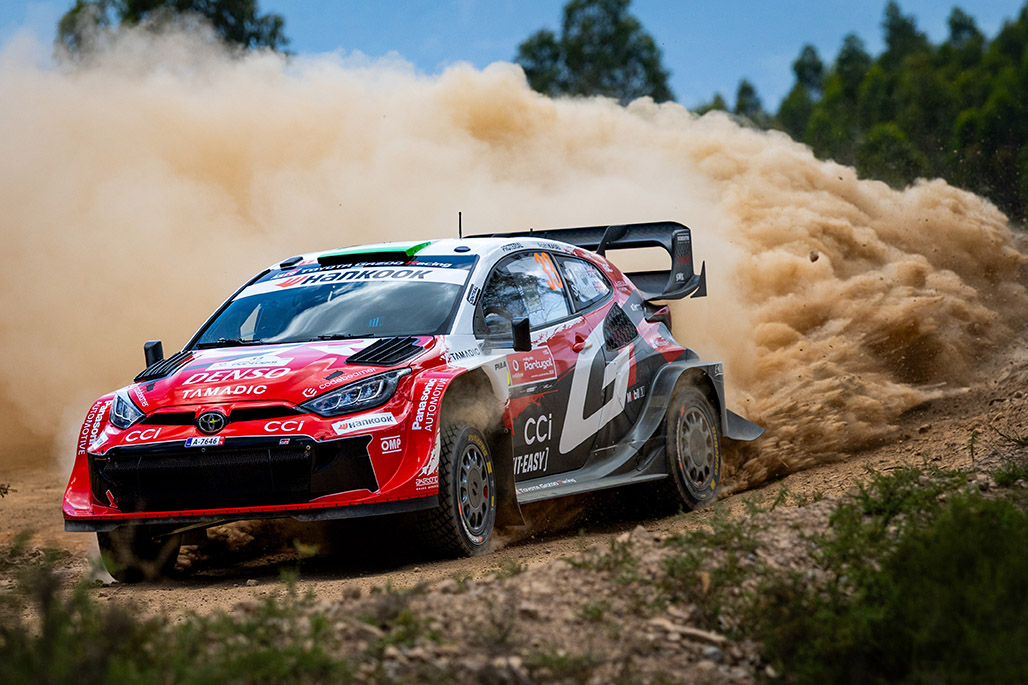
Round 8 of the 2026 World Rally Championship, the Acropolis Rally Greece, is scheduled for June 25–28. The service park moves to Loutraki beside the Corinth Canal, marking the town’s first time hosting the base of a WRC round since 2013. In contrast to Rally Japan’s narrow asphalt mountain roads, the Greek round will test tyres and cars amid high temperatures, loose gravel and exposed rocks. It also marks the start of a run of seven consecutive gravel rallies this season. The June event opens with an urban super special stage in Athens, followed by a transfer by sea as the focus shifts to central Greece and the Peloponnese.
Following Rally Japan, Toyota’s five main drivers occupy the top five places in the drivers’ standings. Evans leads on 151 points, 20 ahead of Takamoto Katsuta, with Solberg, Pajari and Ogier next in line. Toyota leads Hyundai by 127 points in the manufacturers’ standings, but that points advantage will not sweep the loose stones off the Greek stages for its crews. Evans is expected to be first onto the gravel stages on Friday, before the loose surface has been swept clear by other cars. Tyre grip and line selection for those running early on the road will directly affect his ability to retain his championship lead.
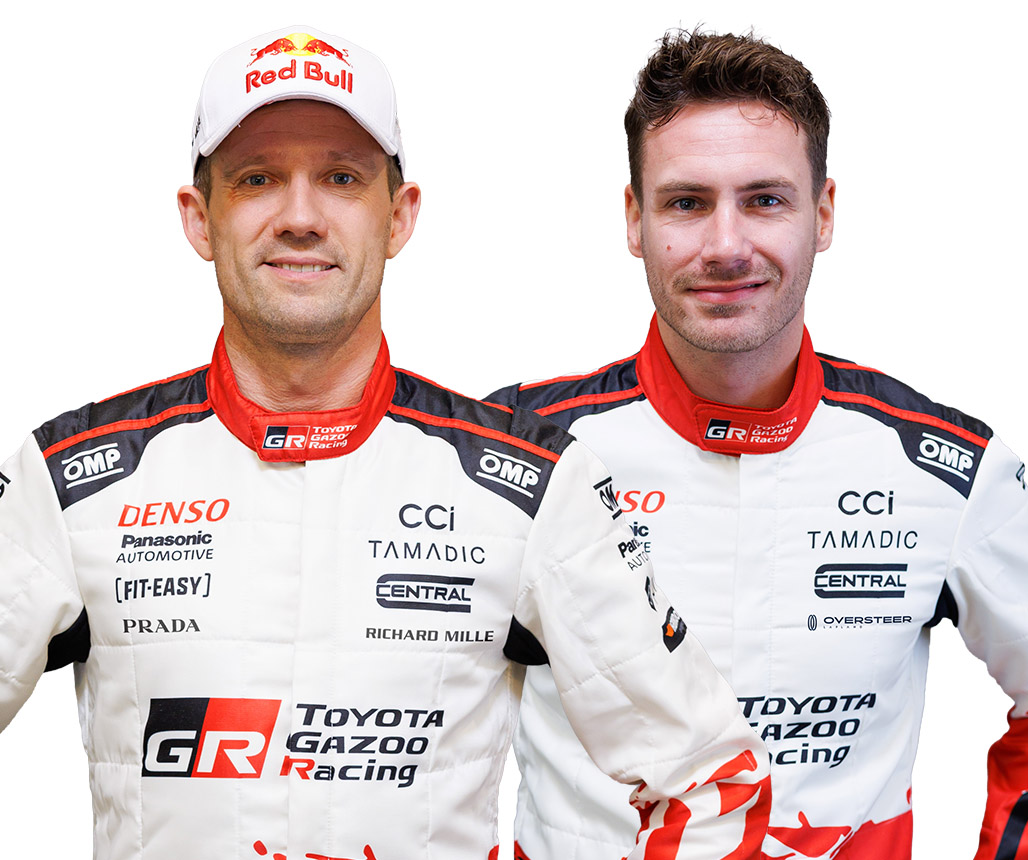
Ogier won the Acropolis Rally in 2011 and finished second on his return last year. He is contesting a part-time programme this year and has remained a contender for victory across his six appearances so far. The starting order in Greece puts him behind Evans among the Toyota runners, potentially sparing him some of the road-sweeping burden. However, starting later also means encountering ruts dug out by earlier cars and exposed rocks. Any early advantage from his road position must be borne out by actual stage times, rather than treated as a guarantee of victory before the rally begins.
Takamoto Katsuta claimed his first two WRC victories in Kenya and Croatia, and fourth place on home soil in Japan kept him second in the standings. His task in Greece is both to reduce the 20-point gap to Evans and to manage tyre damage on the punishing roads. Solberg won the WRC2 category here last year and will tackle the same event in a Rally1 car for the first time this year. After his Saturday accident in Japan, he particularly needs to turn his speed into a consistent run of finishes. Pajari has made several podium appearances in recent rounds and continued to show pace on individual stages in Portugal and Japan, but Greece’s heat and rocks make a measured approach just as valuable.
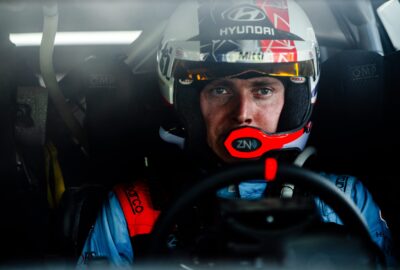
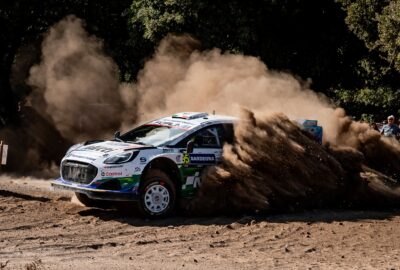
At Hyundai, Rally Portugal winner Neuville hopes to maintain his competitiveness on gravel, while Fourmaux will also look for opportunities during Friday’s long day in the heat and on markedly changing road surfaces. Sordo will compete in the third Hyundai Rally1 car. M-Sport Ford fields McErlean, Armstrong and Sesks, with Serderidis also driving a Ford Rally1. That brings the top-category entry to 12 cars, the largest Rally1 field of the season so far. A larger entry will make differences in road conditions between starting positions, as well as the risk of mechanical problems, all the more worth watching.
Thursday evening’s side-by-side super special stage in the Ellinikon area of Athens may be short, but it is a fully timed competitive stage, not merely a ceremonial start. Afterwards, the cars and crews will travel by ferry across the Gulf of Corinth to Itea, ready for Friday’s six stages in central Greece. Totalling 129.22 kilometres, it is the longest day of competition. The schedule offers only a remote service point in Livadeia at midday, leaving limited scope for repairs and adjustments after problems. On Saturday, the action moves to the mountain roads of the Peloponnese west of Loutraki. Sunday’s two stages will each be run twice, with the second pass through Loutraki also serving as the Power Stage.
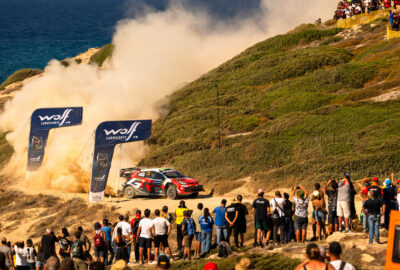
The challenge of the Acropolis Rally is not simply whether a car can go fast. Hard-compound tyre performance in the heat, slow punctures caused by sharp stones, road sweeping on the first pass and ruts formed for the second pass will affect different crews in different ways. The ferry transfer also gives the itinerary a different character from rounds that rely on road transfers. For Evans, getting safely through Friday’s long day before looking for opportunities to secure Sunday’s bonus points carries more strategic value than merely gaining a few seconds on the short opening stage. For Ogier and Neuville, who are chasing points, the priority is to avoid asking too much of their cars too early amid the high risk of damage.