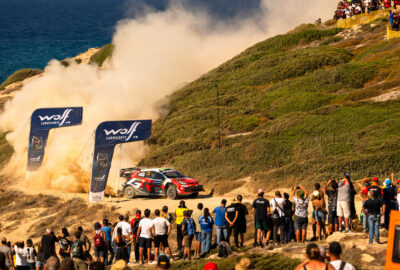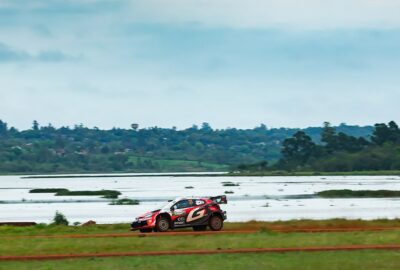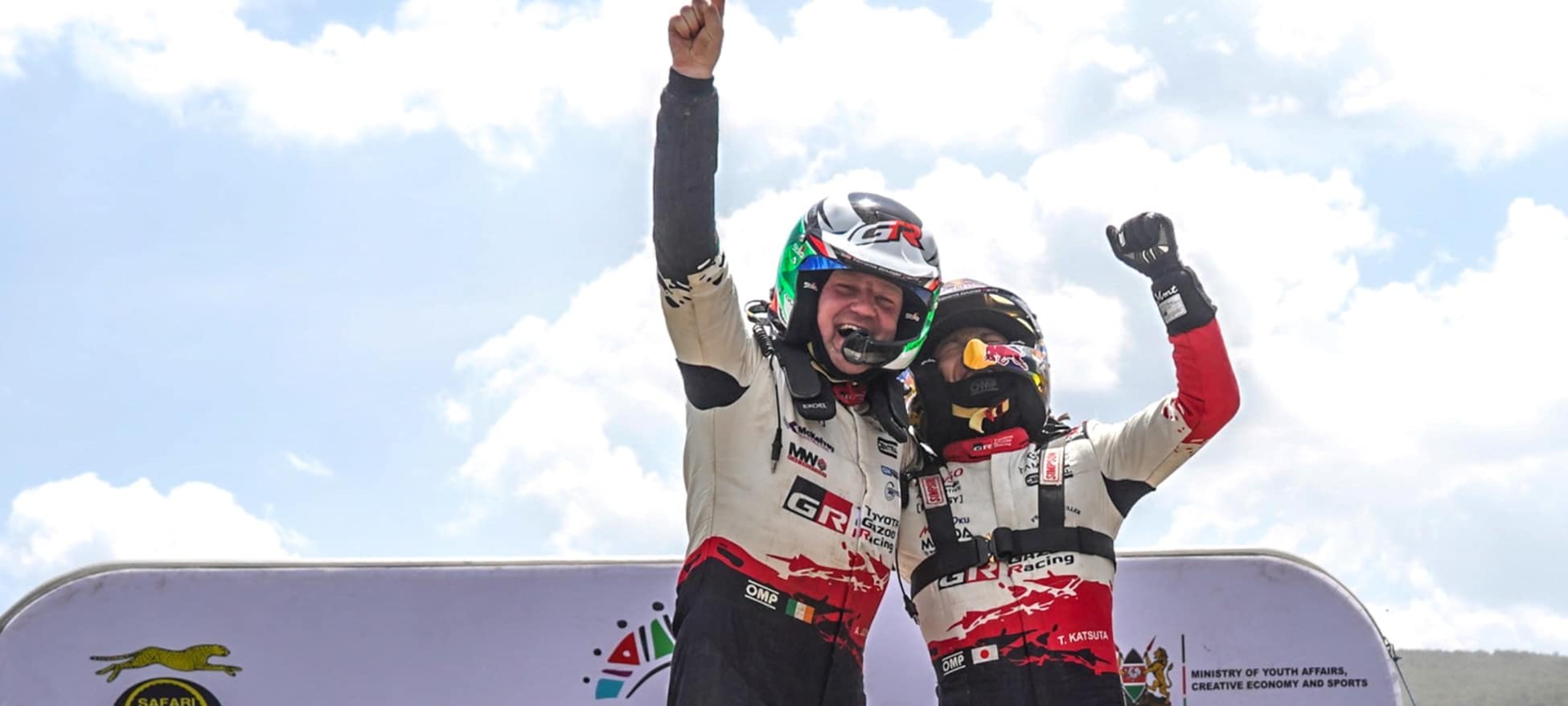
Takamoto Katsuta and co-driver Aaron Johnston claimed their first WRC rally victory together at Safari Rally Kenya. Toyota’s final results released on Sunday showed a winning time of 3hr 16min 05.6sec, 27.4sec ahead of Hyundai’s Adrien Fourmaux, with Sami Pajari third. It was a major milestone in Katsuta’s journey from Toyota’s driver development programme to the top step of a WRC podium, but this was not a victory earned by leading throughout the four days. He dropped to seventh on Friday, took over the lead on Saturday by getting his car through the day as rivals suffered failures, and then protected his advantage over the treacherous roads on Sunday.
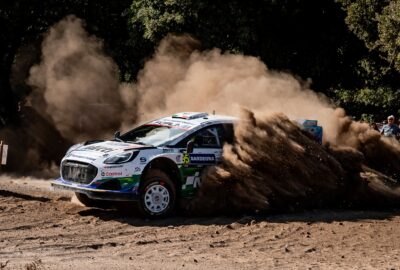
Solberg had led on the opening day, when Toyota occupied all five leading positions; on Friday, Ogier reduced his deficit to one second. Road conditions reshaped the rally on Saturday: Evans stopped with damage to his right-rear suspension, while thick mud contaminated the alternators on Solberg’s and Ogier’s cars, leaving both stranded on their way back to the service park. Pajari also lost around five minutes to tyre trouble, but repaired his car and recovered to third. Katsuta himself had suffered damage to both front tyres the previous day, dropping to seventh. His victory therefore underlined the value of knowing when not to take risks in an endurance rally.
Katsuta began Sunday with a lead of 1min 25.5sec, but did not treat that cushion as an invitation to relax. With two runs through each of two stages south of Lake Naivasha, he limited unnecessary attacks as he dealt with rocks, ruts and mounting fatigue. Although his advantage over Fourmaux ultimately shrank to 27.4sec, he still brought the car across the final finish line at Hell’s Gate. With the winner determined by the cumulative time across the entire rally, protecting the lead mattered more than chasing the fastest time on every stage, provided he avoided a significant time loss on Sunday. For Fourmaux, closing the gap and securing second place likewise meant salvaging a result after Saturday’s chaos.
This was the first victory by a Japanese driver on a points-paying WRC round in 34 years. The previous one came when Kenjiro Shinozuka won the 1992 Rally Côte d’Ivoire. Toyota also notes that Yoshio Fujimoto won the Safari in 1995, but that edition was part of the 2-Litre World Rally Cup rather than a points-paying round of that year’s WRC. Those two historical distinctions must be kept separate: Katsuta is not the first Japanese driver to win the Safari, but he is the first to win a WRC round since 1992. Toyota, meanwhile, took its sixth consecutive annual victory since the Safari returned to the WRC in 2021, bringing the marque’s total number of wins on the event to 14.
Pajari recovered after Saturday’s damage to finish third, 4min 26.1sec behind Katsuta, returning to the podium with co-driver Marko Salminen. Hyundai’s Esapekka Lappi was fourth, followed in fifth by Robert Virves in a Škoda Rally2 car. Virves’ place in the overall top five did not change his status as a WRC2 competitor. Kenya’s roads caused difficulties across all categories, and the pace previously shown by the Rally1 cars alone could not predict the make-up of the final top 10. Reliability and the cumulative time from validly completed stages remained the foundations of the overall classification.
Solberg, Ogier and Evans, who had retired on Saturday, restarted on Sunday after their cars were repaired, switching their focus to the additional points available from Super Sunday and the Power Stage. Solberg was fastest on the final Power Stage and took maximum points in both Sunday classifications. Although he finished only tenth overall, he still collected 10 additional points. Ogier was second in both classifications, with Evans third. Katsuta won the rally overall, while Solberg won both additional-points classifications on the final day.
After three rounds, Evans continued to lead the drivers’ championship with 66 points, followed by Solberg on 58 and Katsuta on 55. Kenya brought Katsuta closer to the championship lead, but did not immediately move him into first place. Sunday’s additional points also helped his team-mates remain in title contention after their Saturday setbacks. Toyota maintained a 43-point advantage in the manufacturers’ standings, but that margin came from the points scored by the whole team, not just this event’s winner. The table below lists all Rally1 crews classified as valid finishers in the final results released by Toyota at 18:00 on Sunday. Cumulative times and gaps reflect the classification at that time; final confirmation remains subject to the official documents issued by the event’s governing authority.
Final Rally1 results and retirement status
| Rally1 position | Car number | Rally1 crew | Team | Cumulative time | Gap to class leader | Status |
|---|---|---|---|---|---|---|
| 1 | 18 | Takamoto Katsuta / Aaron Johnston | Toyota | 03:16:05.6 | — | Finished |
| 2 | 16 | Adrien Fourmaux / Alexandre Coria | Hyundai | 03:16:33.0 | +27.4s | Finished |
| 3 | 5 | Sami Pajari / Marko Salminen | Toyota | 03:20:31.7 | +4m 26.1s | Finished |
| 4 | 4 | Esapekka Lappi / Enni Mälkönen | Hyundai | 03:22:12.9 | +6m 07.3s | Finished |
| 5 | 99 | Oliver Solberg / Elliott Edmondson | Toyota | 03:32:50.1 | +16m 44.5s | Finished |
| 6 | 1 | Sébastien Ogier / Vincent Landais | Toyota | 03:33:36.3 | +17m 30.7s | Finished |
| 7 | 11 | Thierry Neuville / Martijn Wydaeghe | Hyundai | 03:35:58.0 | +19m 52.4s | Finished |
| 8 | 33 | Elfyn Evans / Scott Martin | Toyota | 03:42:26.5 | +26m 20.9s | Finished |
| 9 | 95 | Jon Armstrong / Shane Byrne | M-Sport Ford | 04:04:06.7 | +48m 01.1s | Finished |
| — | 55 | Josh McErlean / Eoin Treacy | M-Sport Ford | — | — | Retired on Saturday evening |