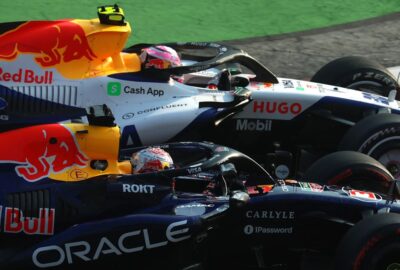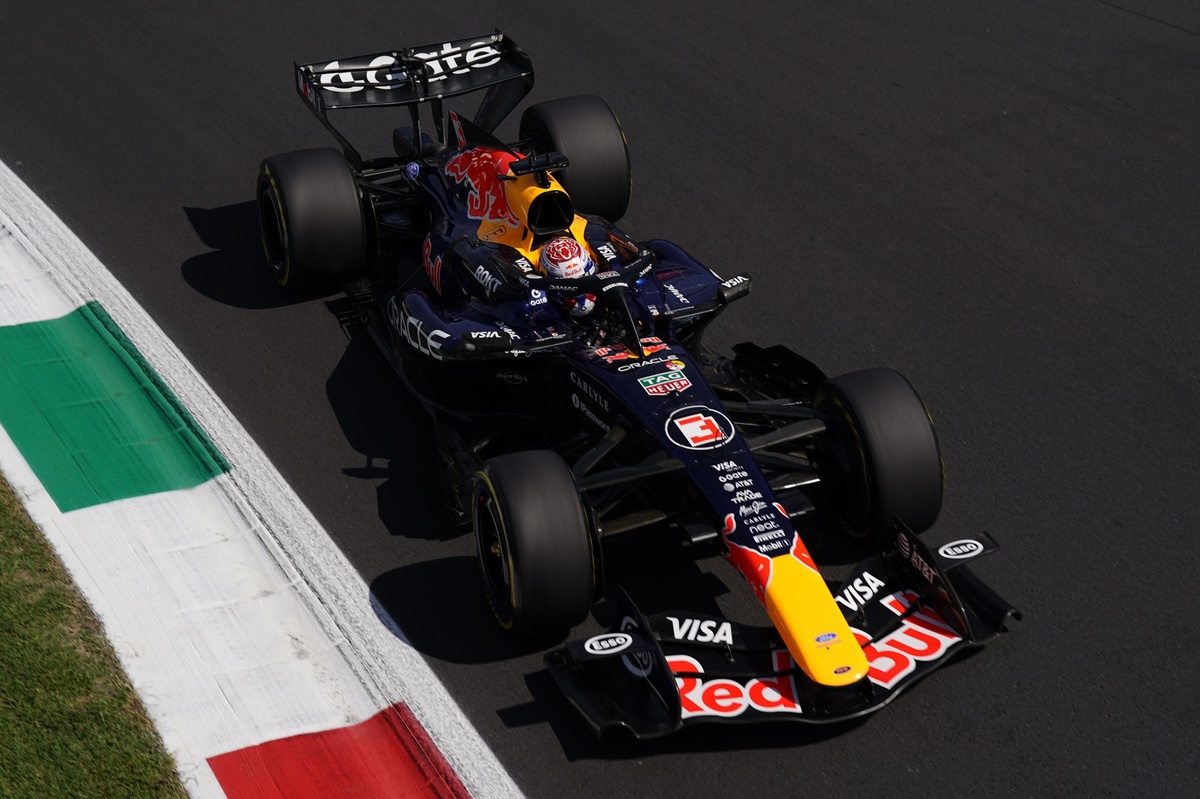
Max Verstappen has again criticised the driving experience of the 2026 F1 cars. According to Motorsport.com’s account of his BBC interview, the Red Bull driver believes the energy management required by the new power units has changed how drivers can apply their skills, making driving feel unnatural.
Energy management changes driving trade-offs
Verstappen explained that in the past, braking later, getting on the throttle earlier and committing harder through high-speed corners would usually yield faster lap times. Now drivers sometimes need to lift off or brake earlier and delay getting back on the throttle in pursuit of a higher top speed later on; he dislikes these trade-offs, which run counter to the instincts he used to rely on.
Stand-in drivers’ performances spark debate
He cited the recent examples of Liam Lawson and Yuki Tsunoda. After Isack Hadjar injured his wrist during the summer break, Lawson stood in at Red Bull and Tsunoda at Racing Bulls; Lawson finished seventh at Zandvoort, while Tsunoda scored points at Monza. Verstappen believes their rapid adaptation reflects the new cars’ limited response to driver inputs, but also acknowledges that the fastest drivers will still come out on top and that an all-out effort is still required over a single lap.
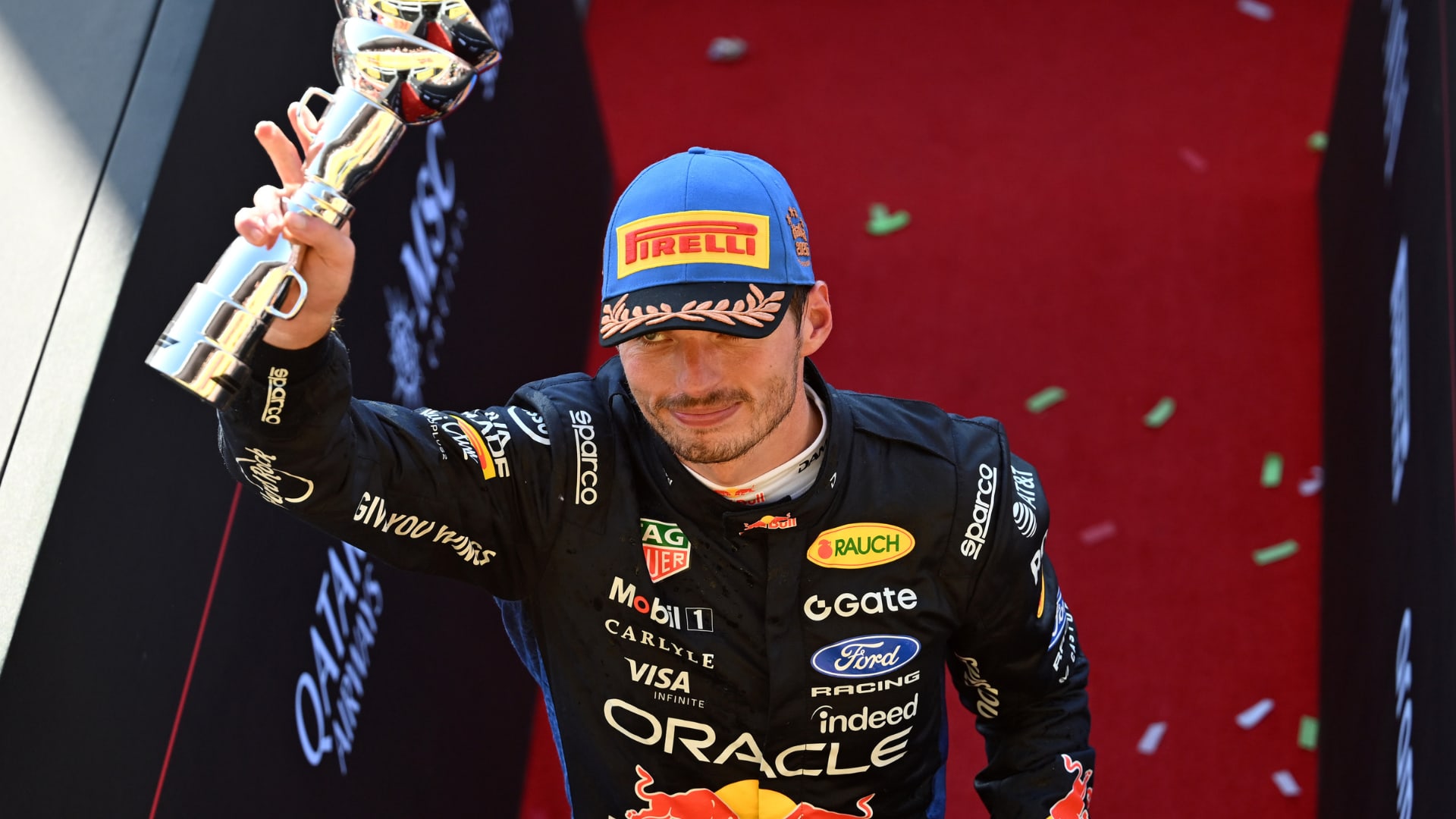
Motorsport.com’s report also noted that both drivers were slower than their respective team-mates in every phase of qualifying at Zandvoort and Monza, and that 2026 is not the first year in which stand-ins have immediately delivered strong performances. To provide additional context for this assessment, the report cited Nico Hülkenberg qualifying third as a stand-in for Racing Point in 2020, and George Russell coming close to winning the Sakhir Grand Prix on his first outing for Mercedes.
Continuing to race, hoping for future improvements
Discussing why he is still willing to remain in F1, Verstappen said his love of the sport and competition keeps him going, along with the hope that the rules can improve in the future. He admitted that he is not currently enjoying the driving itself, but will do his best to achieve results under the current rules and hopes things will be better by around 2030.
As for future power units, he would personally prefer V8 engines, because the engine response and handling feel of older cars are more to his liking. This is the preference he expressed in the interview.