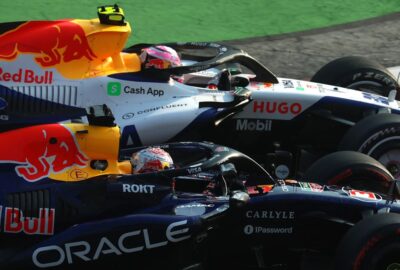
After climbing from 21st to second in Brazil, Max Verstappen has explained how he approaches wet-weather racing at Interlagos. He said the circuit’s alternative lines, combined with comfort and confidence in the car, let him search for grip in different places and turn those options into overtaking opportunities.
A grip assessment shaped by nearby cars
Verstappen initially felt grip was low during his laps to the grid. Comparing his car with others around him changed that impression, leaving him confident it actually had plenty of grip. He reached seventh within the first five race laps.
He said he knew the balance was there and the opening laps confirmed it. His rapid progress through the midfield followed the feedback he was receiving from the car. He also felt the disappearance of that balance after the first stint prevented him from fully realising the early potential.
Interlagos offers alternative routes
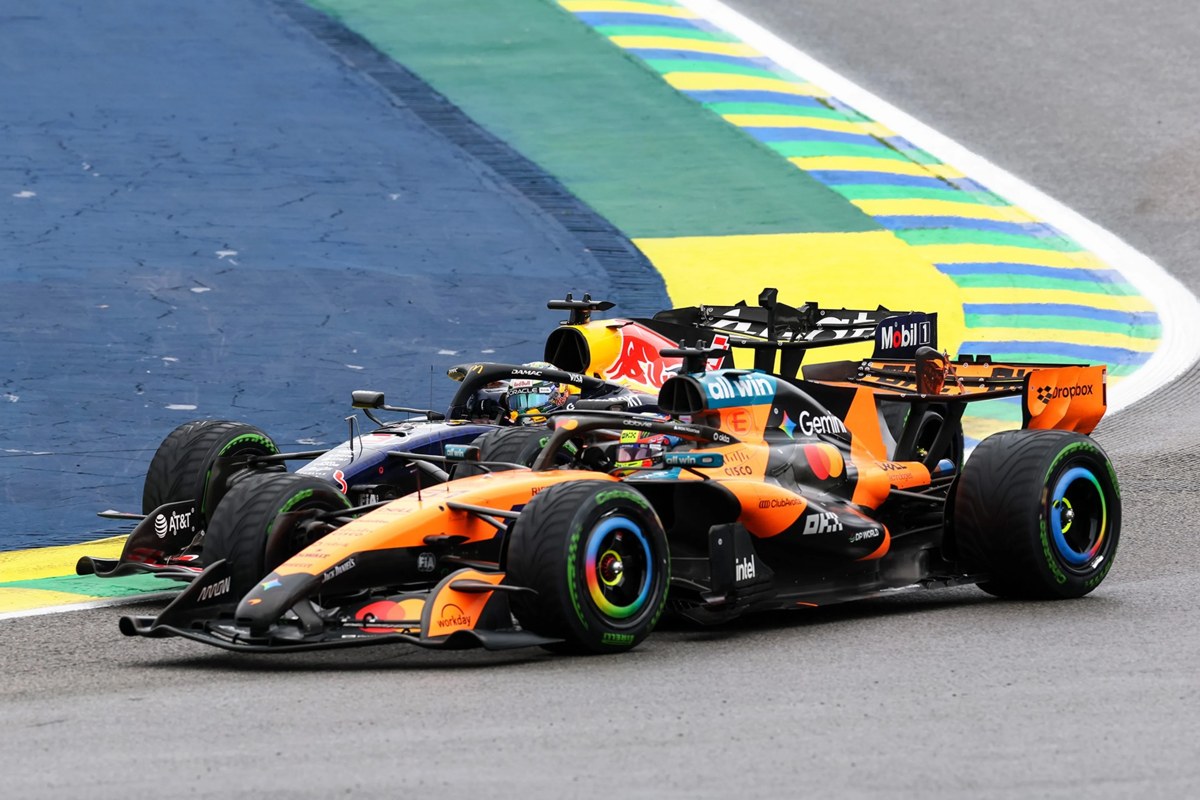
Asked how he finds opportunities others miss in the rain, Verstappen pointed to the circuit. Its elevation changes and viable alternative lines encourage racing in the dry, with rain increasing the value of those options.
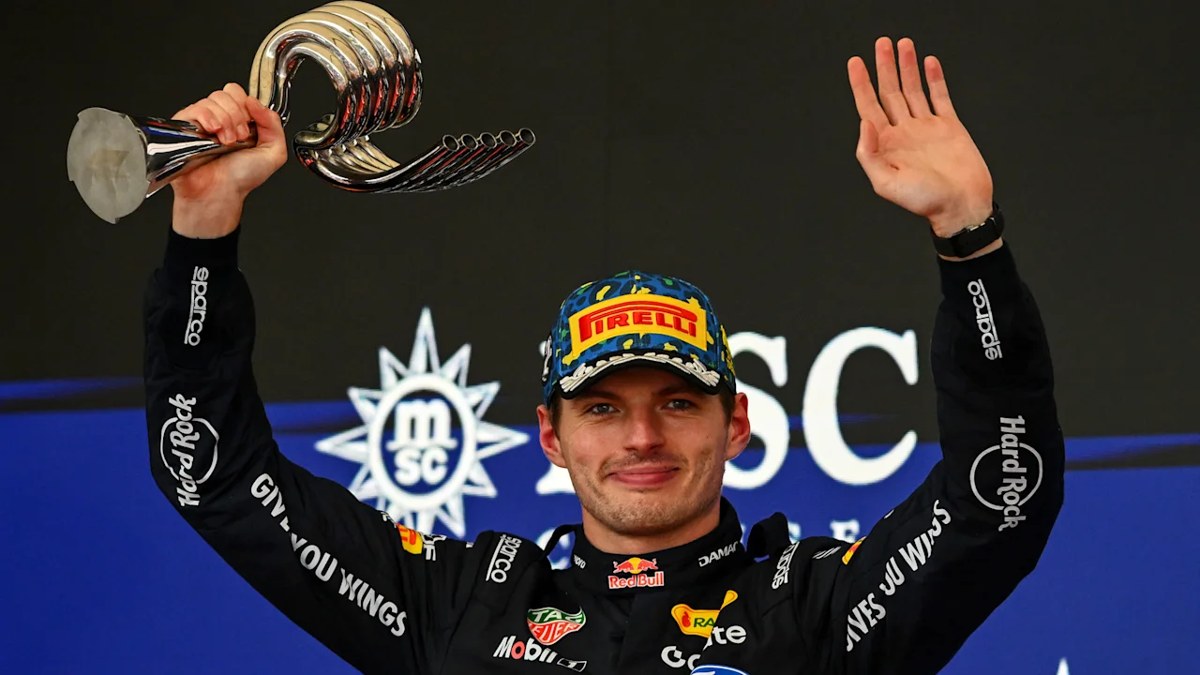
He described looking for grip in different places and then trying to pass the car ahead. Feeling comfortable in the cockpit gives a driver confidence to take a little more risk, he said, and that combination has often worked well for him in Brazil.
The post-stop question remains
Once he changed to slicks, the handling changed markedly. Verstappen said even the final return to intermediates produced a car that felt completely different from the opening stint. Red Bull still needed to understand what had happened after the tyre change.
He finished 14.602 seconds behind winner Lando Norris. After another Brazilian Grand Prix starting near the back, he also hoped for a position further forward next year.