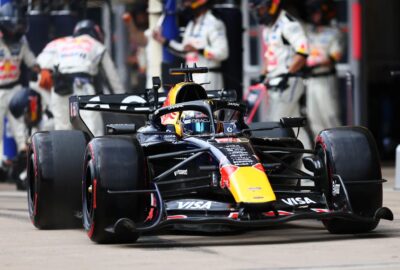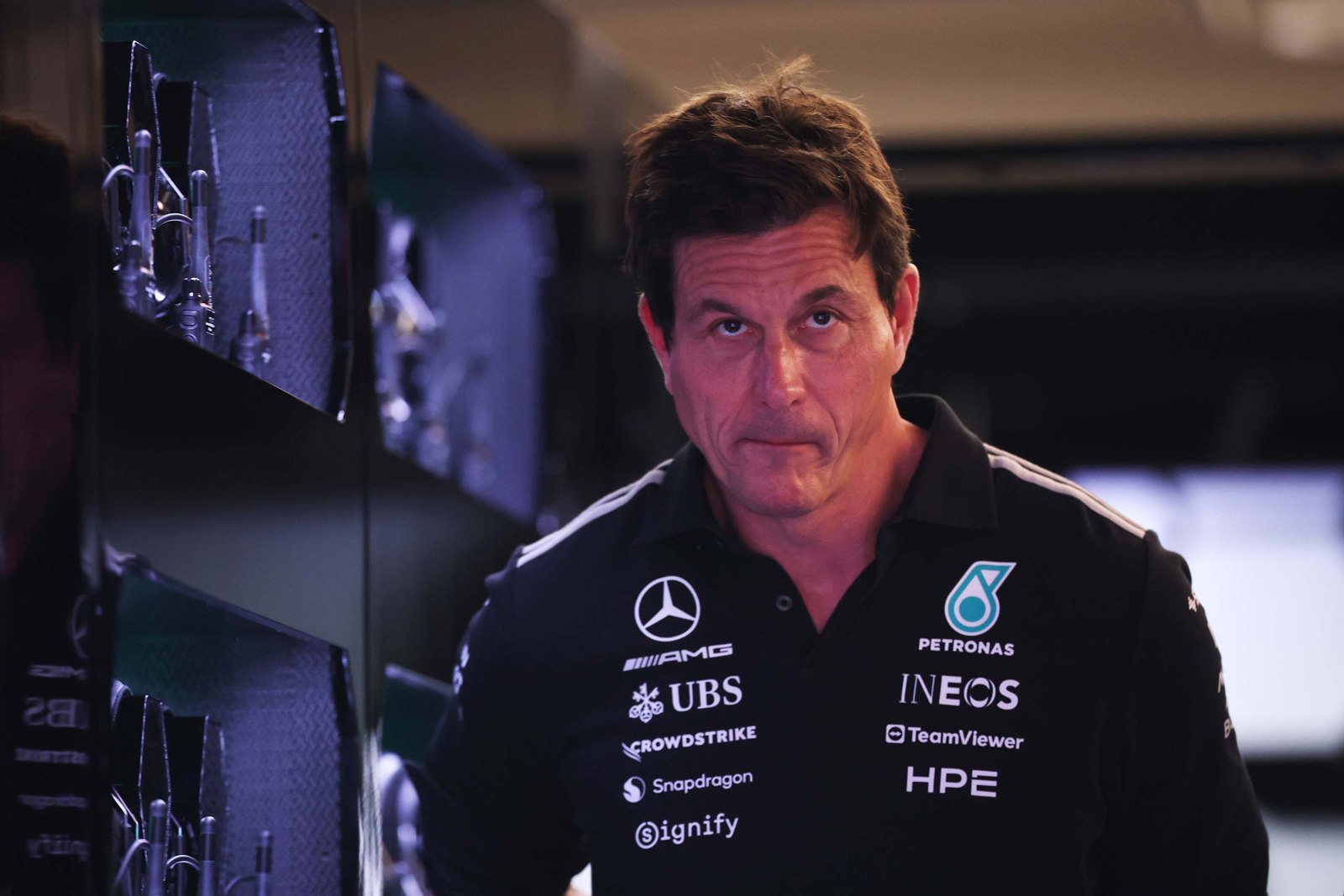
Antonelli won the F1 United States Grand Prix from pole with one pit stop on October 25, while teammate Russell finished only eighth. Mercedes Team Principal Wolff called it Antonelli's finest race yet, but the team also acknowledged that its upgraded car still has a setup window that is difficult to find.
The one-stop becomes a credible choice during the race
At the FIA post-race press conference, Antonelli explained that starting on mediums was not a casual decision made with every option available: he had no new softs left, leaving the main choice between new mediums and hards. Against rivals on soft tires, he first completed the launch successfully and retained track position.
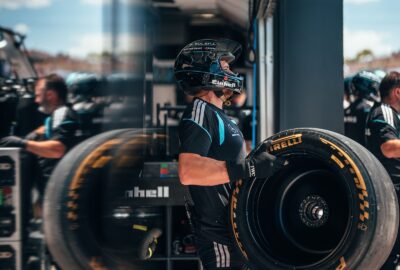
What really shaped the stop count was the behavior of the medium tires late in the opening stint. Antonelli initially had concerns, but the car could keep extending the stint and its pace recovered somewhat, without an excessive time penalty for staying out. The team further confirmed the one-stop route after completing that first stint, rather than simply following rivals into early stops.
After switching to hards, Antonelli felt the tires were stable enough to reach the finish. He said he had used the hard compound on Friday but had not completed the corresponding long run. During the race he therefore needed continuous communication with his engineers to judge how much to manage and how much to push. The victory was built on that ongoing feedback.
Upgrades bring progress, but Russell's race highlights limits
Trackside Engineering Director Andrew Shovlin said in the team's post-race feedback that neither Friday's single-lap nor long-run performance had looked capable of winning. The team turned that around, but the suitable setup range appeared harder to find after the upgrade. Here, the “window” means the state in which setup works with the tires and track conditions so a driver can consistently deliver speed.
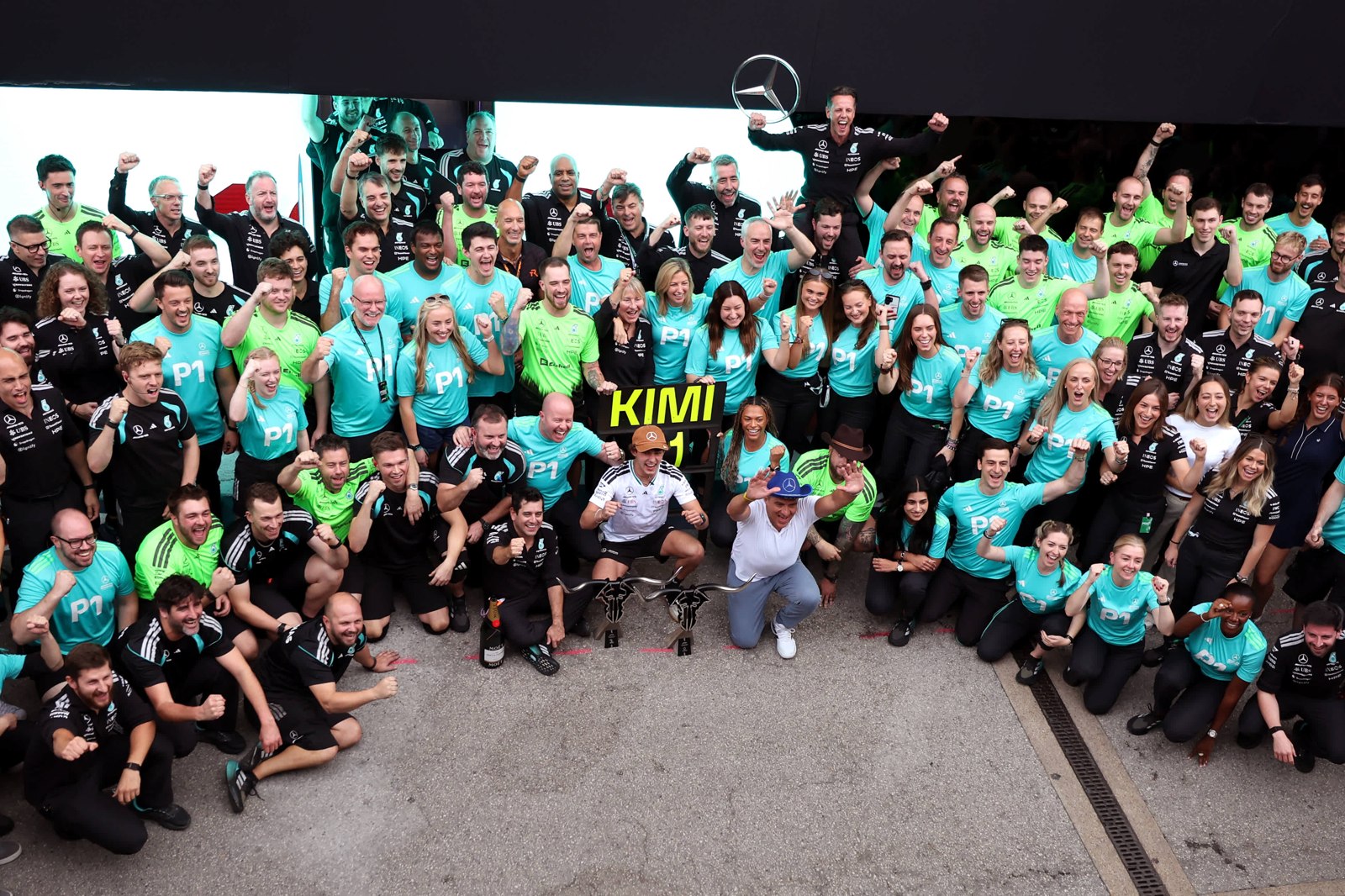
Antonelli did not describe the upgrade as meeting every requirement either. He felt performance and balance were strong in medium- and high-speed corners, but front locking remained a problem at low speed. Wolff believed Antonelli's driving style suited the car very well.
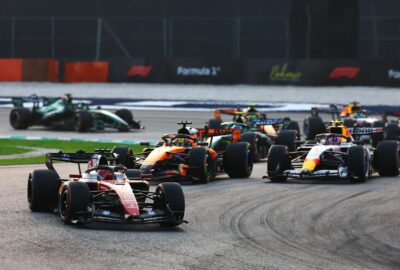
Russell's feedback offered the other side. He received a five-second penalty for leaving the track and gaining an advantage on lap one. Although he felt his pace improved after his stop, he caught Piastri without being able to overtake. Russell acknowledged he had not been fast enough throughout the race and did not yet know why. The penalty explains some lost position, but cannot replace an investigation into car pace.
INKA SPORTS analysis: Confirm the conditions in time, rather than copying a one-stop
The most useful lesson from the victory is that Mercedes did not treat its initial tire assessment as a fixed answer. Extending the first stint preserved the possibility of one fewer stop, and the subsequent stability of the hards made it possible to carry that choice through. Looking only at the winner's one-stop would overlook the actual pace and tire feedback that made it viable.
The difference between the drivers also limits any conclusion that the upgrade is now working across the board. Antonelli's race supports the car's high performance ceiling, while Russell's difficulties show that level has yet to be reproduced consistently across both cars. A better subsequent test is whether both can find repeatable setups and long-run pace in comparable track conditions, rather than simply observing another finishing position.
Conclusion
The United States gave Mercedes an example of upgrades and strategy working successfully together, while leaving questions about slow corners and the difference between its cars. Antonelli converted the opportunity provided by the team into victory. Whether that advantage travels to the next round depends on whether the car supports equally clear judgments in new conditions. The United States Grand Prix report and full results are available in our earlier coverage.