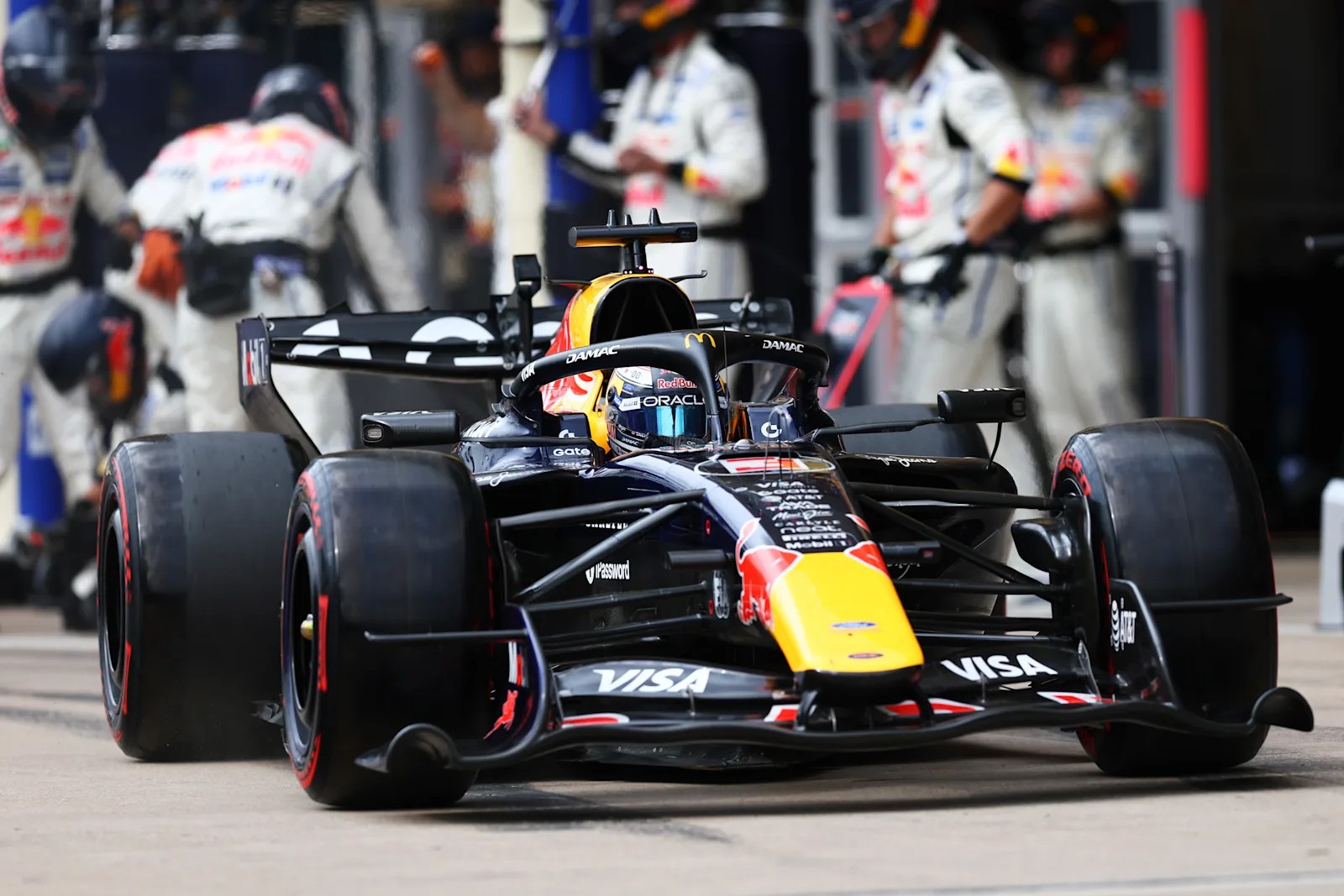
Ahead of the Mexican Grand Prix, Max Verstappen has split Red Bull’s late-season tasks into two areas: securing third in the constructors’ championship and continuing to improve next year’s car. In an interview published by F1 on October 30, China Standard Time (UTC+8), he said finishing second or fifth in the drivers’ standings did not carry the same significance for him as fighting for the title. The team nevertheless retains a clear points target.
Beyond his own position, Red Bull still has constructors’ points to fight for
Entering this round, Verstappen trails second-placed George Russell by 6 points and third-placed Lewis Hamilton by 5, while Red Bull is level on points with McLaren. Those gaps mean both the drivers’ positions and the team standings could still change with a single race result. His priority of third in the constructors’ championship concerns the combined points of both cars, so his own finishing position alone will not determine whether the weekend is a success.
Looking towards 2027, Verstappen believes Red Bull has improved this season but remains far from satisfied, with substantial changes still to come for next year’s car. He hopes that work will make its various elements function more harmoniously. Scoring points now and improving the next car are therefore concurrent tasks, with current races also offering opportunities to identify and check problems.
Austin’s losses had several causes, making the corrective work more specific
Verstappen revealed that the car had sustained some damage during the United States Grand Prix weekend, while other areas were also short of where the team wanted them to be. Engine operation and power output had likewise fallen below expectations. Together, those issues cost lap time. For Mexico, he hopes to learn the lessons, correct what can be corrected and have a smoother race. These are the driver’s pre-race assessments, rather than published evidence of the effectiveness of repairs.
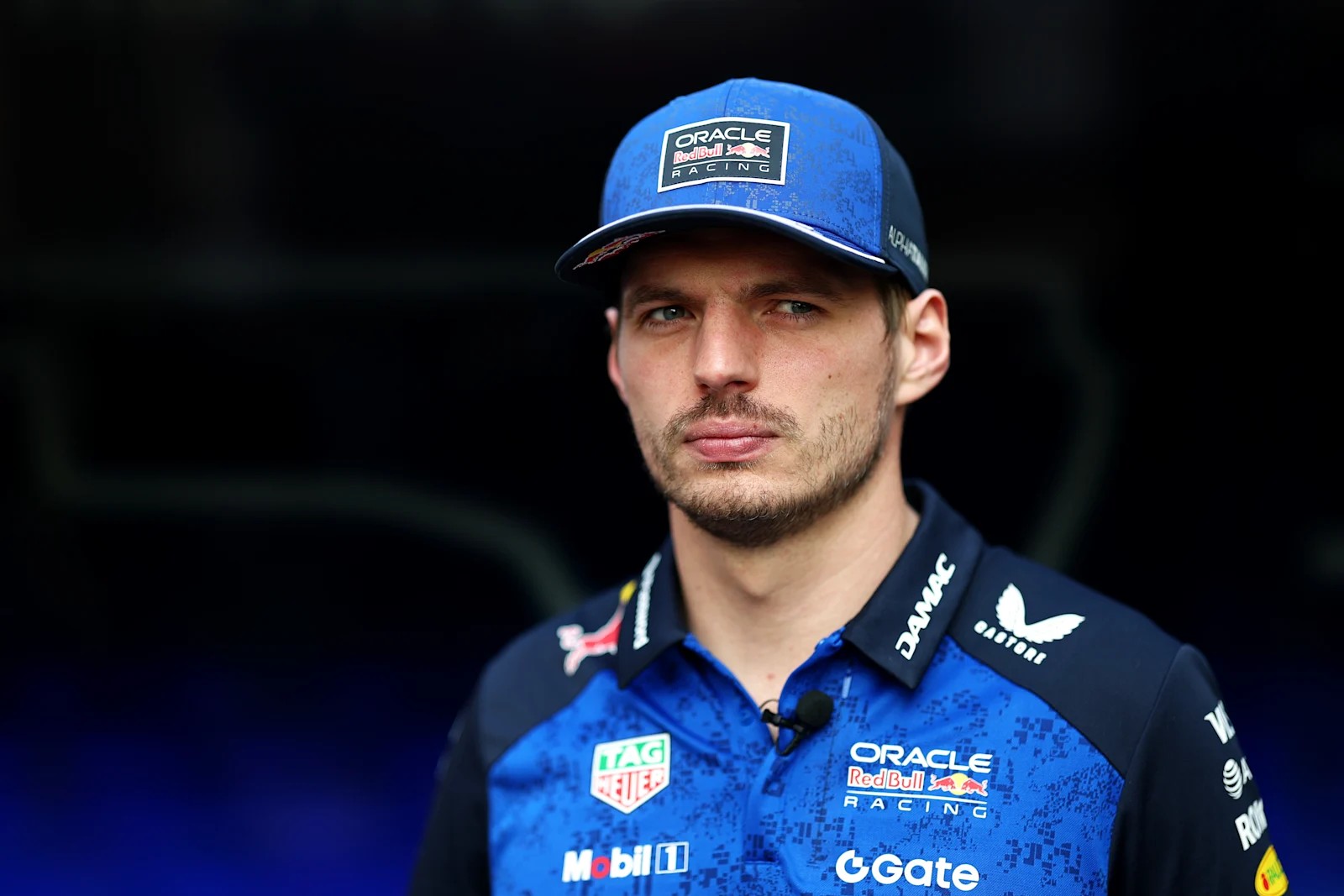
INKA SPORTS analysis: recovering losses and beating rivals are separate questions
This explanation provides a clearer order for assessing Red Bull. First, establish whether the car and power unit can operate as intended, preventing existing problems from continuing to cost lap time. Then compare the recovered performance with rivals under this round’s conditions. The first step addresses Red Bull’s own losses; the second depends on relative performance across the field. Even if repairs work, the gap in the United States alone cannot establish how many positions Red Bull might gain in Mexico.
The constructors’ target also means the assessment must look beyond whether Verstappen can win. With Red Bull and McLaren level on points, the quality of both cars’ finishes matters to that contest. For development, a problem being consistently resolved is a better indication of direction than an isolated rise in position. Fluctuations caused by changing track conditions also need to be distinguished from improvements to the car itself.
Summary: get the car working properly before assessing the opportunity in Mexico
Red Bull’s next steps can be judged through two concrete outcomes: whether the problems exposed in Austin recur, and whether both cars can consistently score points that support the team’s championship position. Verstappen’s reduced emphasis on his personal final standing does not remove either task. He also reserves judgement on whether victory is possible here, because the repaired car’s performance must still be tested in different track conditions.