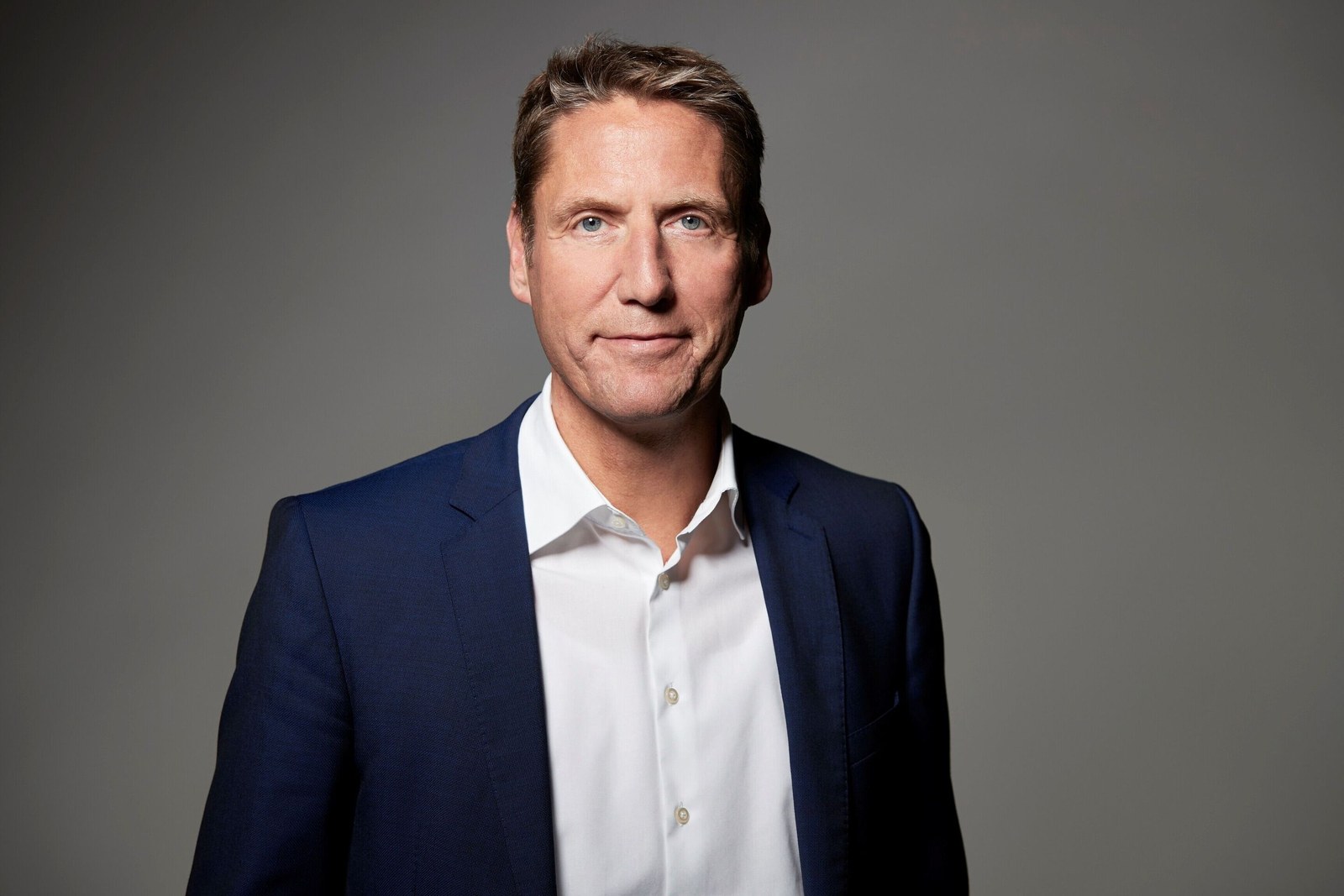
Audi announced on October 28 that Thomas Fuhr would become CEO of Audi Formula Racing GmbH (AFR) on November 1. Based in Neuburg an der Donau, Germany, the company develops and manufactures the power unit for Audi’s F1 project. The appointment concerns the leadership of the power unit company, with an emphasis on strengthening the organisation and allowing its technical chief to focus more closely on development.
Who is responsible for company leadership, technology and operations?
Under the arrangements announced by Audi, Chief Technical Officer Stefan Dreyer will focus on leading technical development of the F1 power unit, while Chief Operating Officer Christian Foyer will continue to oversee operations at the Neuburg facility. With Fuhr joining, the three roles cover company leadership, technical development and operational management respectively. Dreyer and Foyer retain responsibility for their specialist areas, forming the management structure set out in the announcement.
Fuhr has more than 30 years of international engineering and management experience. He was managing director of Mercedes AMG High Performance Powertrains from 2009 to 2012, before holding senior management positions at Grohe and Lixil. Most recently, he was chief technology officer of Georg Fischer’s Building Flow Solutions division. The career history outlined by Audi spans development, production, operational performance and technological innovation, the areas of experience emphasised in this appointment.
AFR and the team competing in Grands Prix are separate organisational entities. In the same announcement, Audi continued to identify Mattia Binotto as CEO and team principal of its F1 racing team. Binotto said Neuburg had developed Audi’s first F1 power unit from scratch and that he looked forward to Fuhr further developing the team and organisation. Fuhr will therefore lead the power unit company, while Binotto is CEO and team principal of the racing team; their positions relate to different entities.
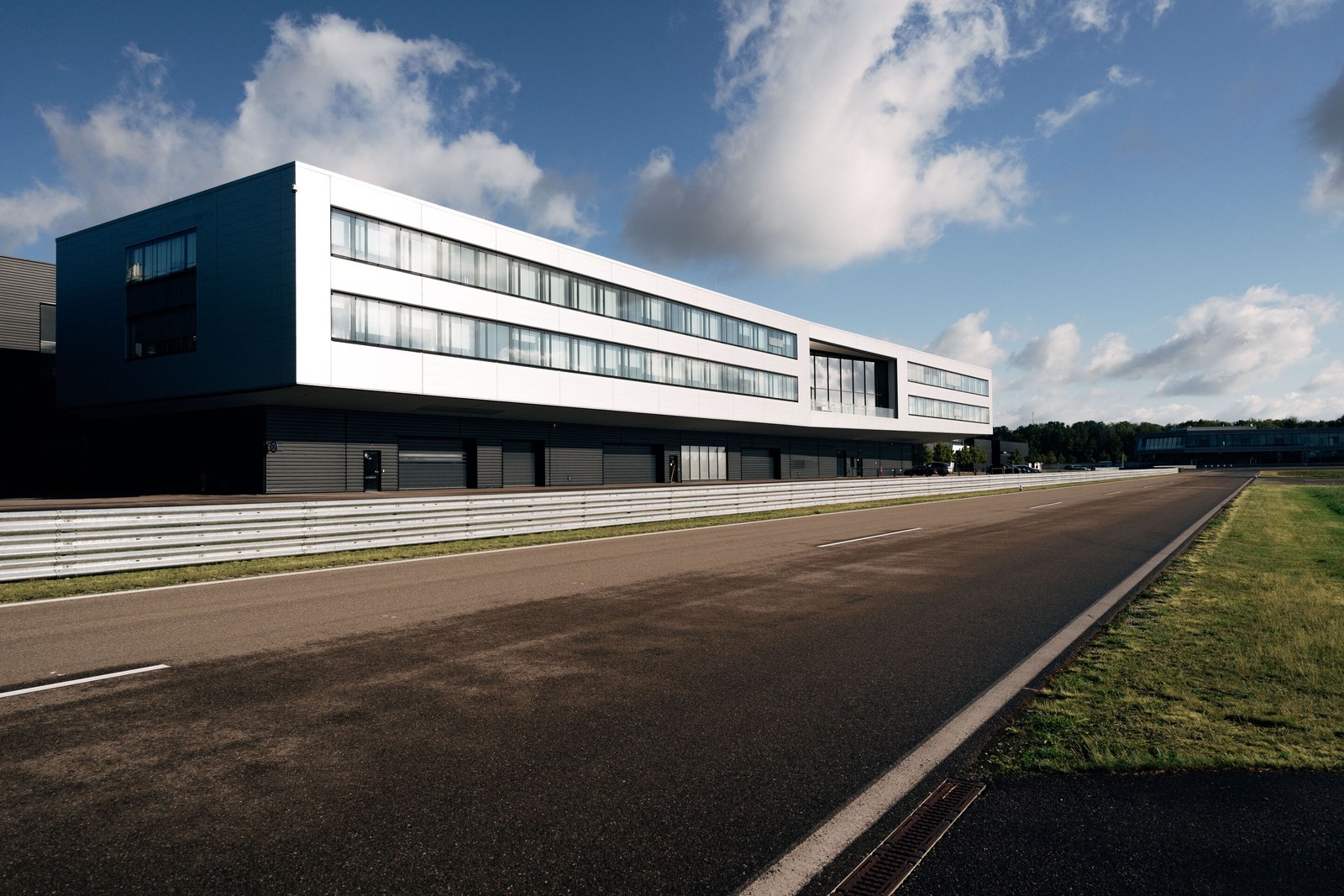
A development facility already in operation
Audi’s project information states that AFR was established specifically for the F1 programme in 2022, with the Neuburg facility working with Hinwil in Switzerland to develop and manufacture the powertrain. Existing facilities have been modernised and expanded, with approximately 3000 square metres of additional buildings housing specialist workshops and laboratories, alongside more than 20 engine and component test benches. Fuhr will take over an organisation already engaged in power unit development, manufacturing and support for track operations.
INKA SPORTS analysis: how the division of responsibilities supports development
The clearest change is that a new company CEO will take on organisational leadership while the CTO concentrates on the technical direction and development. Moving a power unit from development through testing to manufacturing requires sustained cooperation between different teams. Audi’s decision to place organisational development under a new CEO while retaining its technical and operations chiefs reflects an intention to advance both areas together. In his statement, Fuhr also identified bringing together expertise across the organisation and creating the conditions for high-level competition as objectives.
Fuhr’s previous management role at another F1 power unit manufacturer gives him relevant industry experience. However, that record alone does not establish that Audi will immediately gain horsepower or reliability. Assessing the practical effect of this change will require evidence of how the team executes its development plans and how the power unit performs on track. A rise or fall in finishing position at a single round would also be insufficient to attribute a change solely to one manager.
Summary: establish the responsibilities, then assess the engineering results
After Fuhr takes up his role on November 1, AFR’s organisational leadership, technical development and site operations will continue to be assigned to clearly defined positions. What this announcement confirms is that Audi has strengthened the management structure of its power unit company. Whether that arrangement produces more effective development and more consistent on-track performance still requires engineering evidence. The distinction between the racing team and the power unit company is central to understanding this appointment.