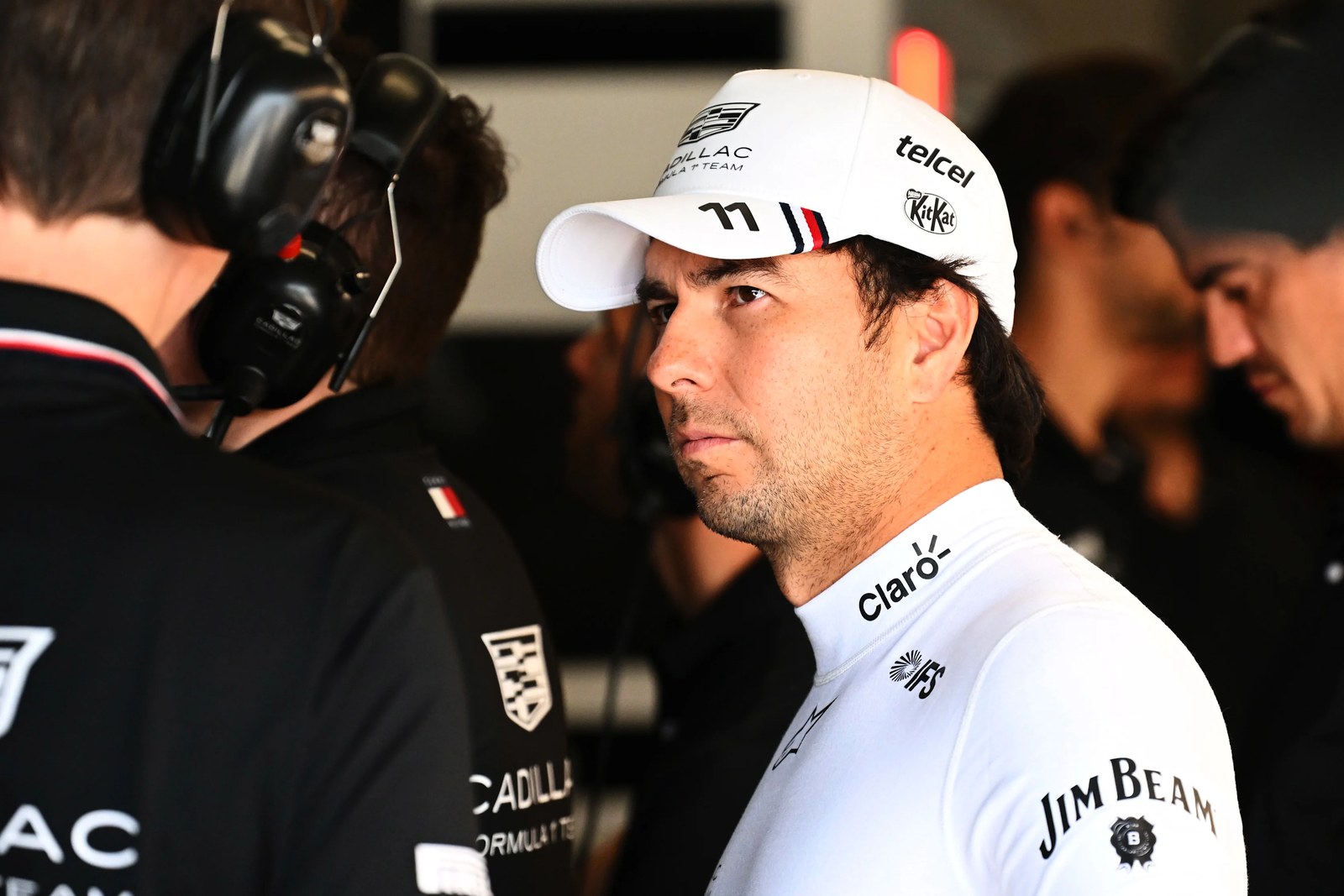
The Cadillac F1 Team announced on October 28 that it had extended Sergio Pérez’s contract, keeping the partnership in place until at least 2029. Announced ahead of the Mexico City Grand Prix, the news settles the Mexican driver’s medium- to long-term future. Pérez joined Cadillac for its F1 debut in 2026, and the two sides have now decided to continue a project that remains in its development phase.
Contract extension emphasises a long-term partnership
In the announcement, Pérez said joining Cadillac had been a project he truly believed in from day one, and that extending the partnership was a natural next step at this stage. He stressed that building an F1 team from scratch required time, sustained effort and patience, that much work remained, and that he would give his full commitment over the next three years. His comments place the extension within the team’s development timeline, beyond the immediate focus of a single race.
Cadillac F1 Team CEO Dan Towriss also made “continuity” central to his comments. He said building a competitive F1 team was a long journey and that retaining Pérez’s ability and leadership would help the team build on the foundations of its first season. In the announcement, the team credited Pérez’s technical feedback and racing experience with advancing chassis development, improving trackside operations and supporting work across its facilities.
Those facilities include Silverstone in the United Kingdom, alongside Indianapolis and Charlotte in the United States. Cadillac’s development work spans both countries, and Pérez has participated in its first season of operations. F1’s official report noted that, as of the extension announcement, neither Pérez nor Cadillac had scored points this season. The team still needs to turn its development and operational progress into results on track.
A career milestone also awaits on home soil
Pérez has won six Grands Prix during a career with Sauber, McLaren, Force India, Racing Point and Red Bull. According to F1’s pre-event information, he is set to make his 300th F1 Grand Prix start in Mexico City. His home weekend therefore carries two strands of significance: reflecting on years of racing and continuing Cadillac’s first-season work with a new contract confirmed. His 300th start remains prospective until the Grand Prix gets under way.
INKA SPORTS analysis: continuity in the driver partnership still needs progress on track
For a team newly entering F1, the immediate value of the extension is retaining feedback from a driver already involved in its first season of development. Cadillac specifically links Pérez’s contribution to chassis development and trackside operations, while Towriss stresses continuity. Together, these points show that the extension supports an existing working relationship, beyond keeping a name on the driver list. The announcement provides no quantified comparison of how much speed or consistency that work has delivered.
Understanding the decision therefore requires holding two points together: the team has publicly chosen patience and continuity, while its lack of points means competitive progress still has to materialise in subsequent races. More useful measures will be whether the car can consistently complete its programme and turn competitiveness into race results, rather than treating a long-term contract as a guarantee of success in the next phase.
Summary: long-term future confirmed, results remain the next task
Keeping Pérez until at least 2029 gives Cadillac a longer planning horizon for its driver partnership. The contract news and anticipated 300th start on his home weekend also connect his personal career with the new team’s development phase. The announcement confirms that Pérez will remain part of the journey; when the project achieves stronger competitive results will still depend on its engineering work and race execution.