The table retains Mexico City local time (UTC−6) in the second column. The third column shows your detected local time, or explicitly labelled UTC if detection is unavailable. References to Beijing time (UTC+8) in the narrative remain Beijing time.
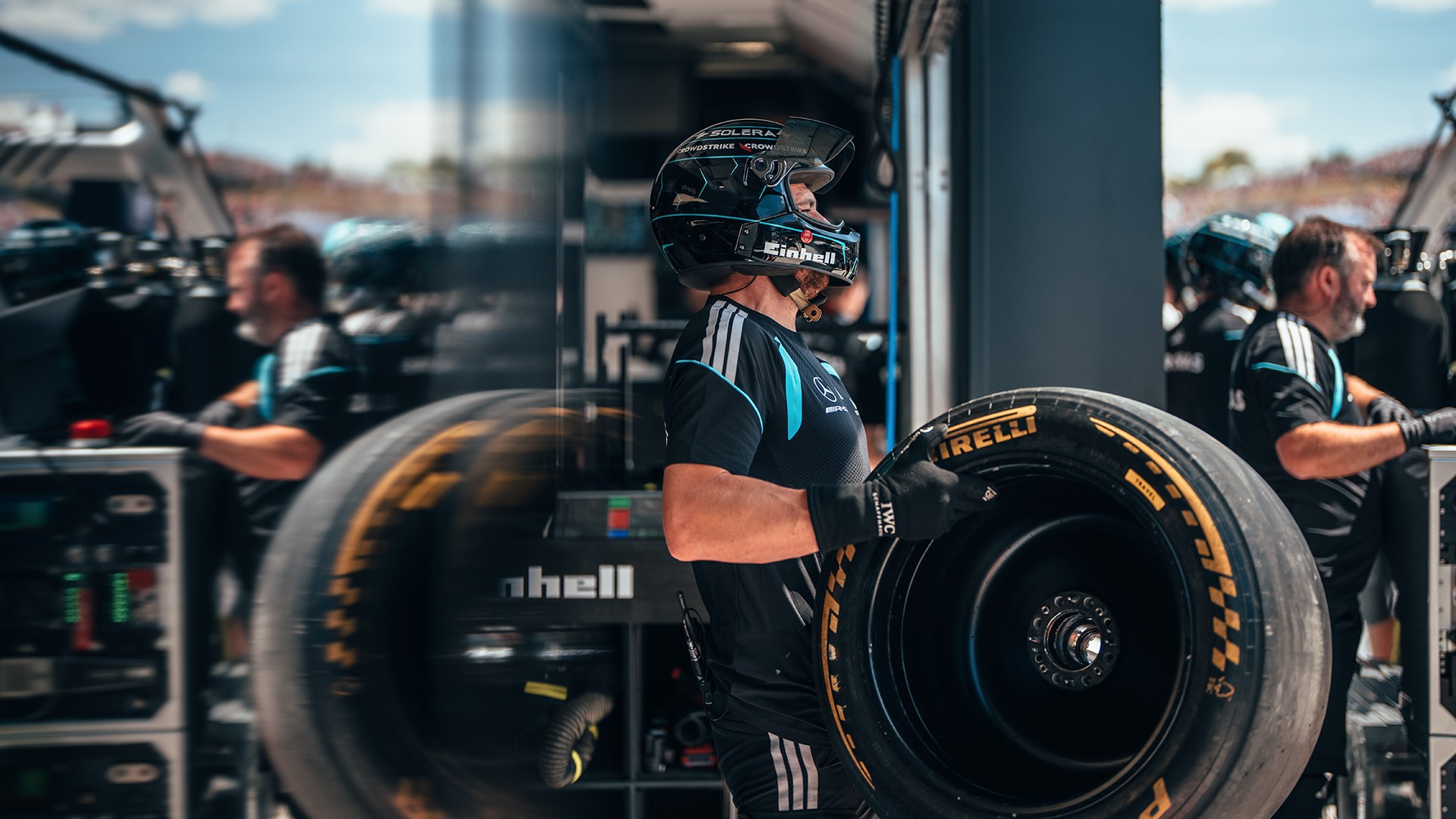
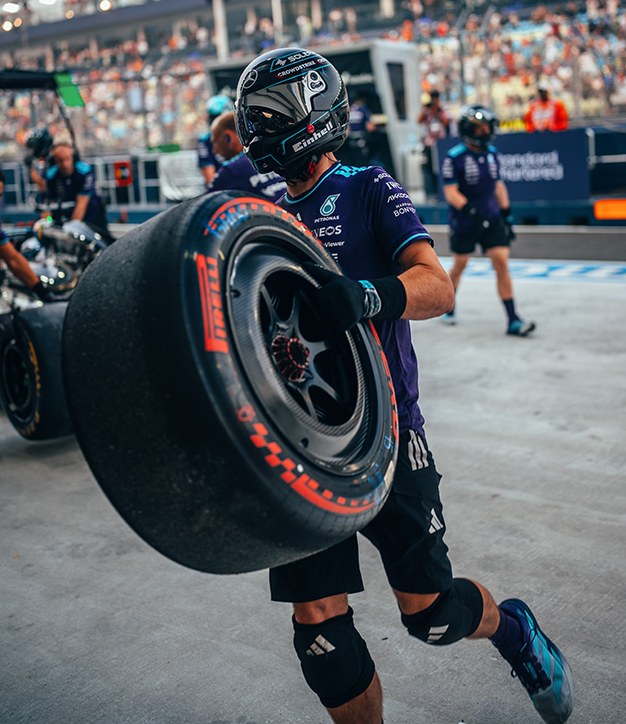
Round 19 of the 2026 F1 season, the Mexico City Grand Prix, will take place from October 30 to November 1, local time. In its tyre preview published on October 28, Mercedes confirmed that Pirelli would supply the C3 hard, C4 medium and C5 soft tyres, the three softest compounds in this season’s dry-weather range. At a circuit 2285 metres above sea level, selecting the compounds is only the first step: consistent tyre performance also depends on the car’s grip and cooling in the thin air.
Three consecutive compounds, with strategy options still to be tested on track
Each driver’s initial dry-weather allocation for this round is two sets of hards, three sets of mediums and eight sets of softs. Unlike the non-consecutive compound selections previously used in Mexico, this year’s choice comprises three consecutive compounds. Mercedes believes this could broaden the strategic options and open up the possibility of two stops. That remains a pre-race assessment; the actual number of stops will depend on tyre performance and how the race unfolds.
The tyre names also need to be understood in the context of the full-season range. There are five dry-weather compounds in 2026, from C1 to C5. The C3 designated the “hard” in Mexico is simply the hardest of the three available here, rather than the hardest tyre in the entire season’s range. The hard, medium and soft labels alone therefore cannot provide a direct comparison of durability between Mexico and other rounds.
Large rear wings and high straight-line speeds can coexist
Haas’s pre-race engineering notes explain that Mexico City’s thin air reduces both downforce and drag. Even with a very high-downforce set-up, a car can still reach high speeds on the straights. However, there is less grip available in corners, which also affects sliding and tyre wear. This explains why a larger rear wing does not necessarily impose the usual straight-line speed penalty at this event.
Cooling is another constraint. Mercedes and Haas both stress that lower air density reduces cooling effectiveness, requiring teams to keep components such as the power unit and brakes within suitable temperature ranges. Haas driver Esteban Ocon will also hand over his car in first practice to reserve driver Ryo Hirakawa, who will make his third first-practice appearance of the season. Returning for second practice, Ocon will have to concentrate more closely on confirming his own set-up.
Mexican Grand Prix schedule in China Standard Time (UTC+8)
| Session | Mexico City local time (UTC−6) | Time (UTC; local time when detected) |
|---|---|---|
| First practice | October 30, 12:30 | |
| Second practice | October 30, 16:00 | |
| Third practice | October 31, 11:30 | |
| Qualifying | October 31, 15:00 | |
| Race | November 1, 14:00 |
These are the session start times published by F1. Mexico City is 14 hours behind Beijing, so all five sessions fall on the following day in China Standard Time (UTC+8). Although the race takes place on Sunday locally, fans in China should note the early-Monday start.
INKA SPORTS analysis: assess long-run consistency before judging stop counts
Taken together, the two teams’ engineering explanations make the central trade-off clearer: teams must seek cornering grip while managing the cooling demands imposed by altitude. Three consecutive compounds offer more options to compare, but cannot by themselves establish the fastest strategy. How the different compounds perform over consecutive laps in practice will help readers understand teams’ race choices more than a single fastest lap will.
Summary: the entire car’s response to thin air needs testing
Mexico’s challenge goes beyond simply fitting softer tyres. Grip, cooling and sustained tyre performance combine to determine set-up and strategy. Practice, beginning on Saturday in China Standard Time (UTC+8), will provide the first on-track evidence, while the early-Monday race will test those assessments. The tyre selection and schedule are confirmed before the weekend; competitiveness and pit-stop plans still require actual running.