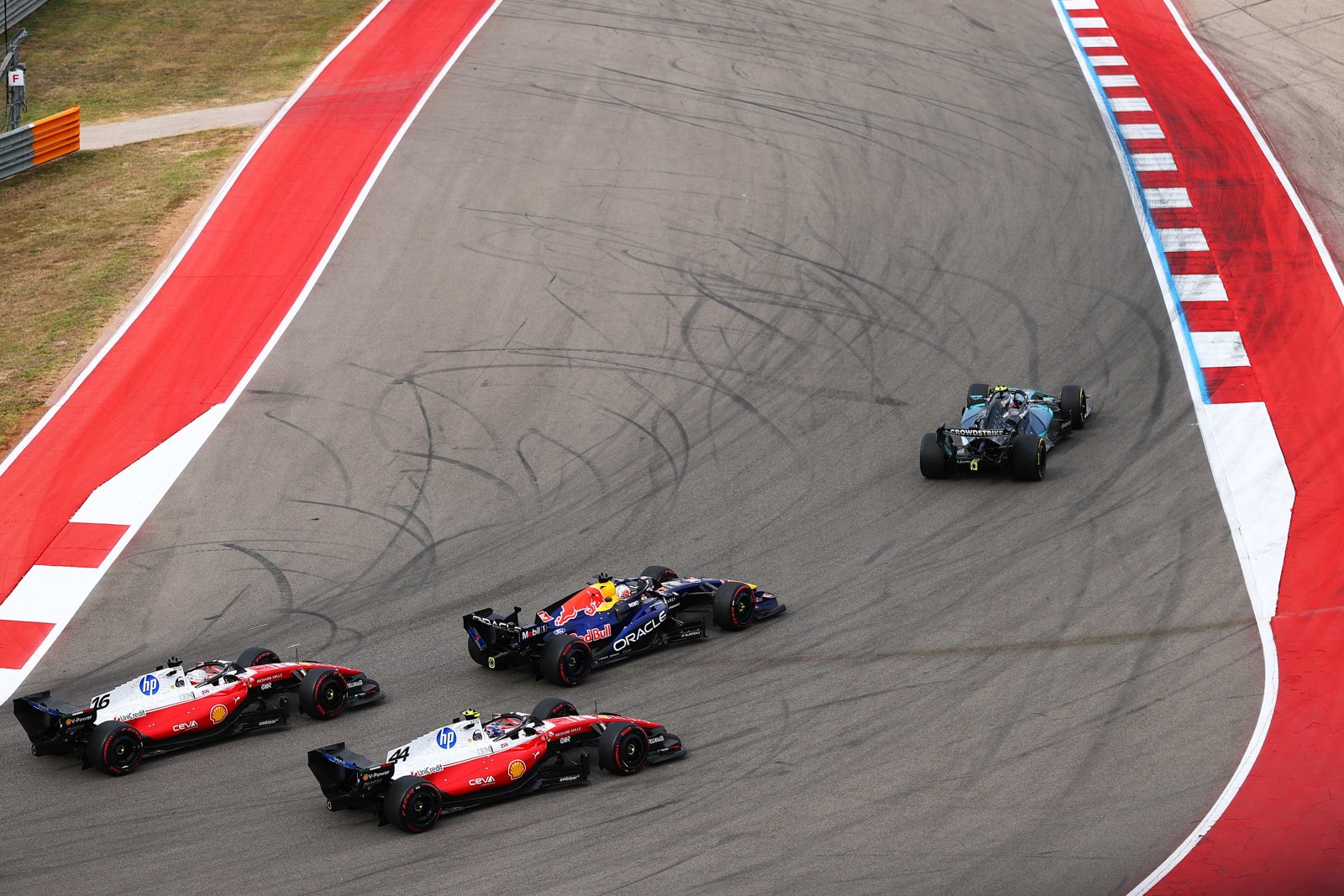
Leclerc brought Ferrari second place in the F1 United States Grand Prix on October 25, with Hamilton fourth. Both made two stops and closed on rivals ahead late in the race, but Hamilton's principal regret afterward concerned balance: he felt his setup had prevented him from extracting the car's full speed.
Beyond used starting tires, Hamilton focuses on difficulty turning
Speaking in F1's official post-race interview, Hamilton said he had no new tires available for the start, putting him at a disadvantage against the cars ahead and bringing greater degradation in the first stint. However, he identified balance as the “biggest problem” rather than blaming the team's pit stops or strategy, both of which he praised.
He explained that his front-wing setting differed from Leclerc's and that he had significant understeer on corner entry. Understeer can prevent a driver from following the intended line even when he knows where time could be gained. Hamilton felt similar problems had occurred before, making it necessary to trace how the setup decisions had been reached rather than simply accepting the outcome afterward.
Both Ferraris showed competitiveness late in the race. Leclerc passed Norris and Verstappen to move into second, while Hamilton passed Norris and finished 1.030 seconds behind Verstappen. Hamilton and Team Principal Vasseur felt the team had a chance of a double podium without the late Virtual Safety Car; that remains their assessment of a situation that did not occur.
Leclerc's confidence, and a race still out of reach
At the FIA press conference, Leclerc said the hard tires had worked very well, allowing him to keep pushing. Based on the team's assessment, he had at one stage expected one-stopping Antonelli to encounter greater difficulty near the end, but the rival did not noticeably slow. Leclerc also acknowledged that even without the time spent earlier battling Norris and Verstappen, he did not think he could have caught Antonelli.
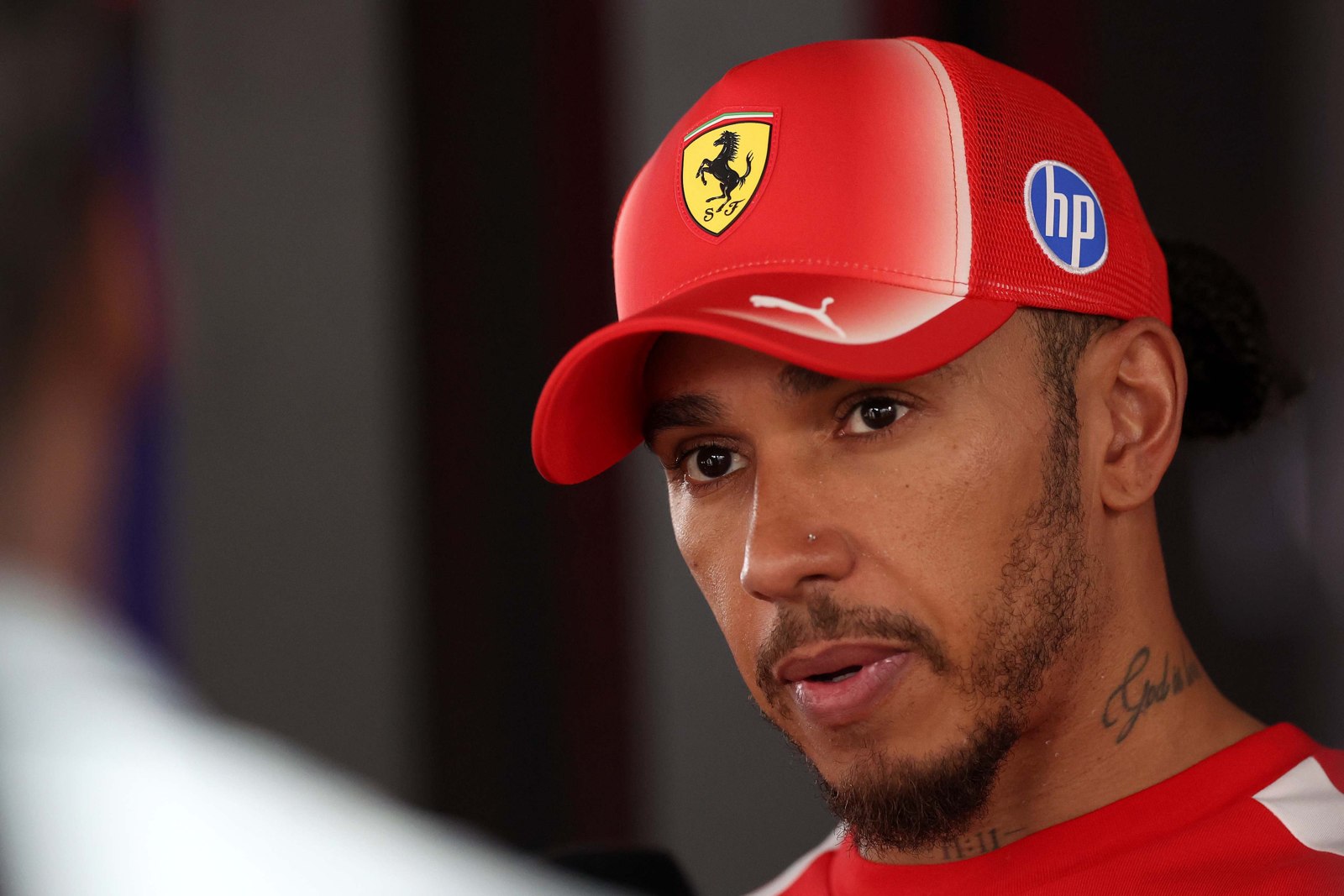
Leclerc therefore did not simply attribute the lost victory to an extra stop. He said Ferrari had primarily considered a two-stop before the race and Mercedes had executed its one-stop very well. He did not think a one-stop of his own would necessarily have made a major difference. His positive view of the car came more from the driving confidence delivered by the upgrade direction over the past three or four rounds.
Qualifying remained another subject in the team's review. Leclerc noted that a car which had been strong in practice struggled to bring its tires to the right temperature in Q3. Vasseur likewise felt the missing part of the weekend lay in the final Q3 laps. With no major upgrades expected next, the focus will shift to getting the existing car into better shape from the start of the weekend.
INKA SPORTS analysis: The same two-stop strategy does not erase differences between the cars
The Ferraris making the same number of stops does not mean their drivers experienced the same race. Hamilton began the opening stint on used tires with a front-wing setting he disliked, while Leclerc gained greater confidence on the hards. Attributing the entire difference between second and fourth to two stops would overlook the setup and operating conditions the drivers identified.
This also provides a more specific test of the upgrade expectations before the race. Ferrari's race pace supports the assessment that progress is possible, but qualifying tire preparation, balance across the cars and the winner's long-run performance still left a gap in the result. Finding settings that both drivers accept earlier next round, and retaining the car's race potential through qualifying, would offer stronger evidence of sustained improvement.
Conclusion
Ferrari had the pace to close and overtake in the United States, but had not put the entire race on the best possible footing from beginning to end. Hamilton needs to find suitable steering balance earlier, while Leclerc must turn his existing confidence into a more complete weekend. A double podium or a win still has to be delivered in an actual race.