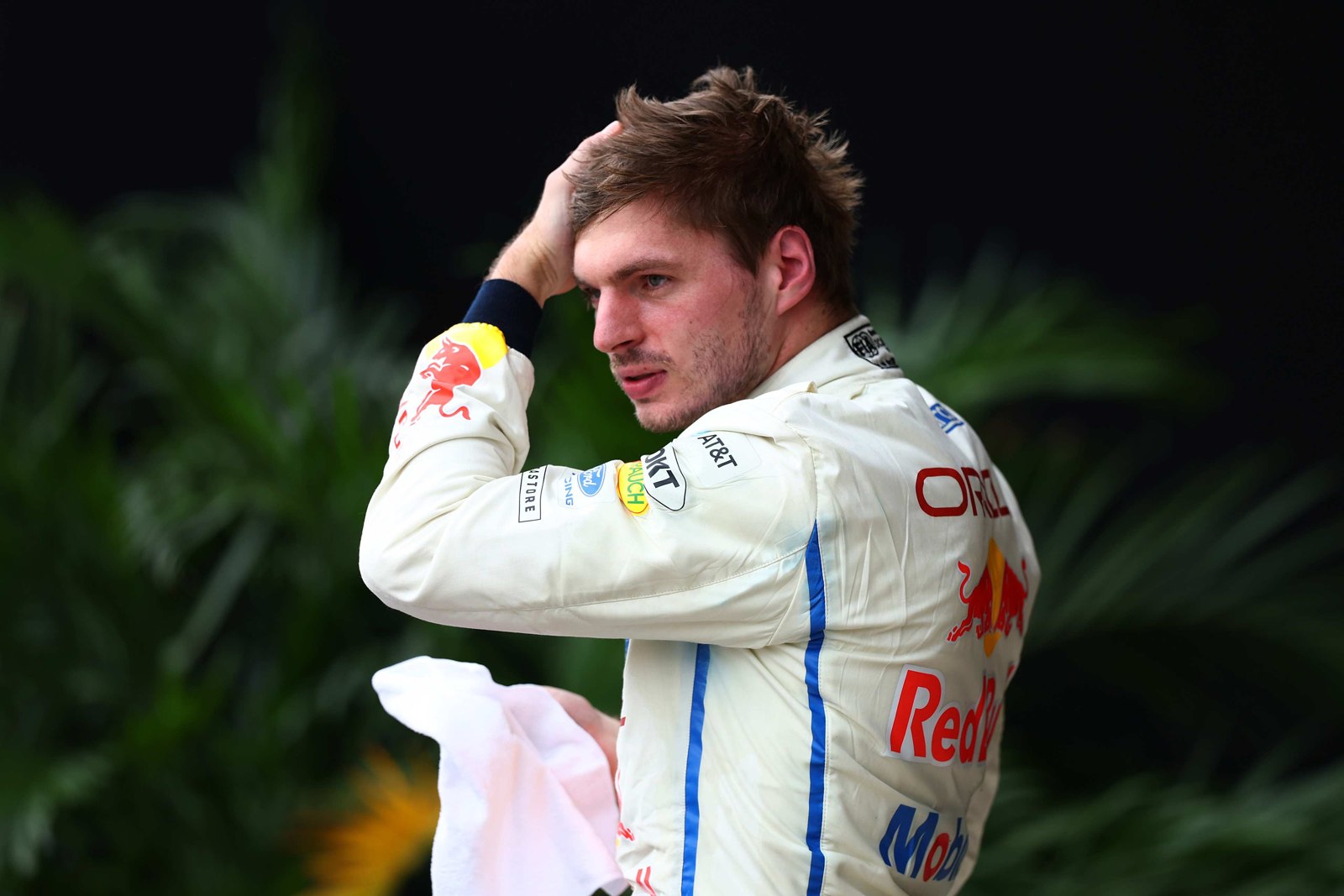
Red Bull's cars qualified second and third but finished third and sixth in the F1 United States Grand Prix on October 25. Verstappen felt the order of tire use and compound choices needed fresh analysis, while Hadjar pointed to system problems at the start and after his stop. Their races show that Red Bull's lost points did not all stem from the same phase.
Soft-tire experience from the previous two races does not translate in Austin
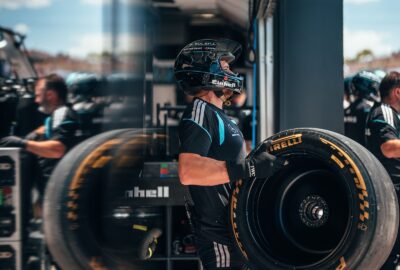
Speaking at the FIA post-race press conference, Verstappen said the softer compounds had worked well in the previous two races, but harder tires suddenly offered strong grip in the United States. Red Bull had stayed too closely with its previous assessment and reacted insufficiently to the hard-tire advantage already emerging on track. That was his post-race assessment; the team still needs to analyze the precise reasons.
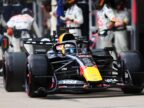
Verstappen made two stops, passing Norris late on to regain second before being overtaken by Leclerc. He acknowledged lacking Antonelli's pace and also cited a slower pit stop as an additional loss.
He also described power-unit delivery as inconsistent from lap to lap and corner to corner. For a driver, receiving different responses to the same throttle input affects the expected balance and makes it difficult to build a sustained rhythm. Verstappen identified that inconsistency as an issue to improve, rather than an isolated error that had already been resolved.
Hadjar's strong opening soft stint contrasts with problems elsewhere
Hadjar's feedback did not entirely match his teammate's. He said excessive clutch delivery at the start allowed both Ferraris past, but once settled, his opening stint on soft tires was strong. Degradation also became easier to control, prompting the team to switch to a one-stop.
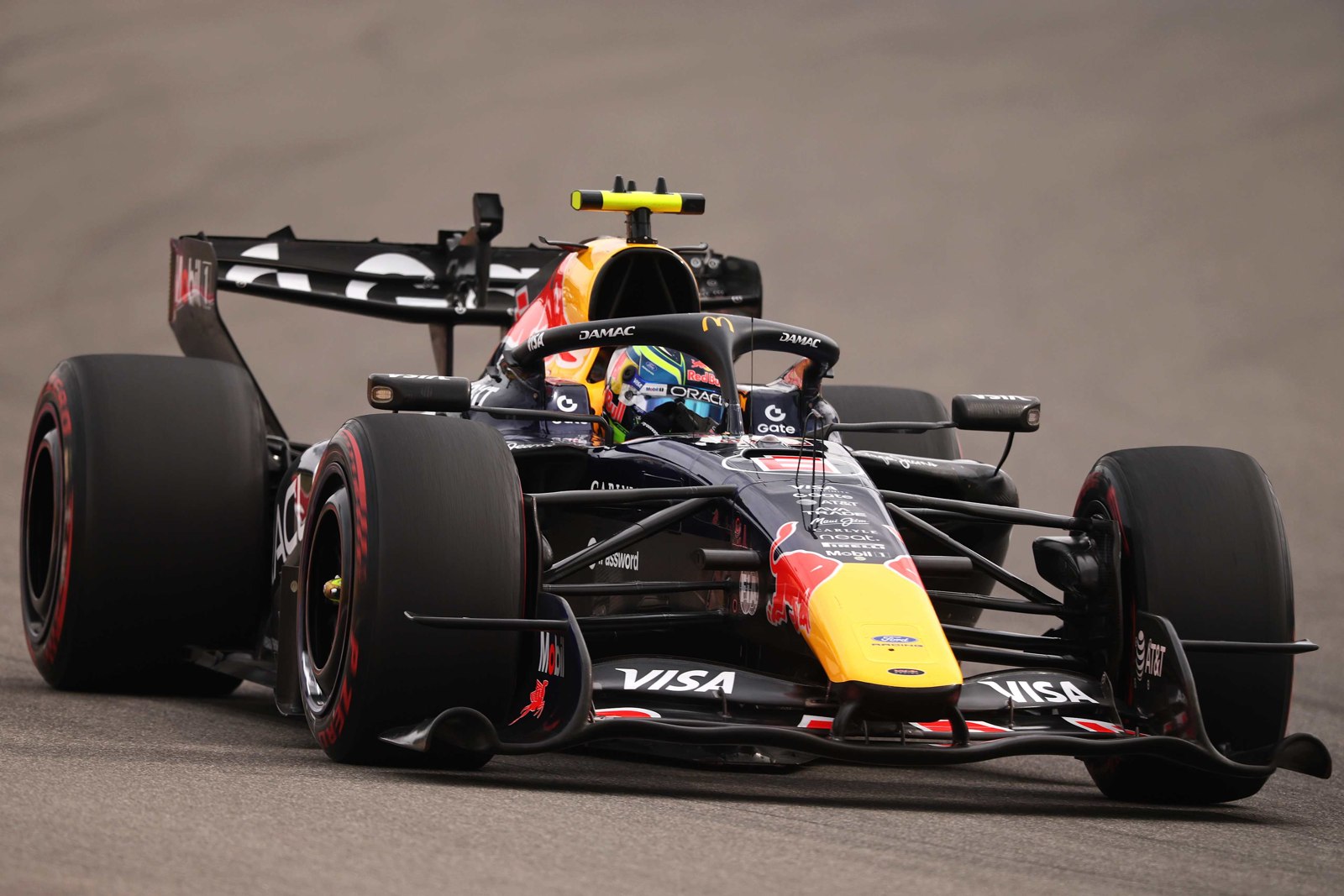
A problem returned after his only stop. Hadjar said the car remained stuck in the throttle map used for the pit stop, significantly affecting his driving. A throttle map determines how pedal input translates into power response. His description points to an issue in that area, but cannot simply be equated with every power problem Verstappen described. Hadjar ultimately held sixth.
In the team's post-race summary, Team Principal Mekies also revealed that Verstappen had struck debris at around lap eight, sustaining damage, and then encountered a problem affecting balance. He felt the team had failed to realize the car's full potential and had lacked the pace to challenge Antonelli. Damage and system problems both limited Red Bull beyond its tire choices.
INKA SPORTS analysis: Predictable car response matters alongside tire strategy
The drivers' different experiences on soft tires provide the most useful comparison. Verstappen felt the choice had not worked, while Hadjar extended his opening soft stint before being constrained by system problems. Setups, track positions and race phases were not identical between the cars, so all the losses cannot be explained simply as the soft tire being poor.
Strategy determines when a driver returns to the track; consistent car response determines whether he can keep using his tires and position effectively. Red Bull needs to examine tire assessment, damage and control-system anomalies separately, then consider how they combined. Changing only the number of stops would not resolve the central problems exposed in the United States if inconsistency while driving remained.
Conclusion
Red Bull still took a podium in Austin, but its drivers' explanations point to different limitations. Better tire choices can help secure positions, while predictable starts and power response matter just as much. The race supports continued investigation across several areas; it does not establish that any single correction would restore winning pace.