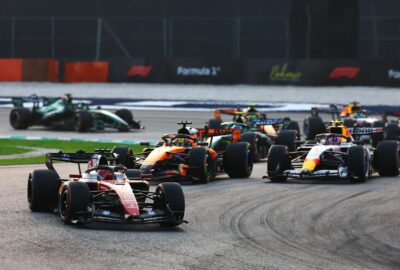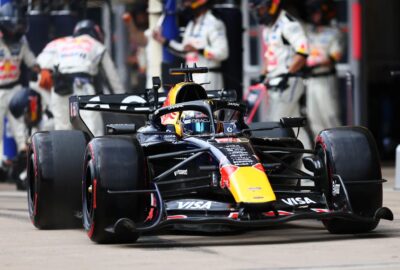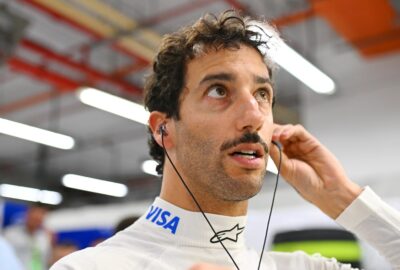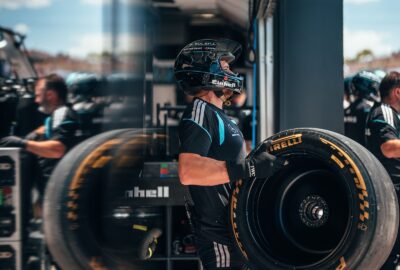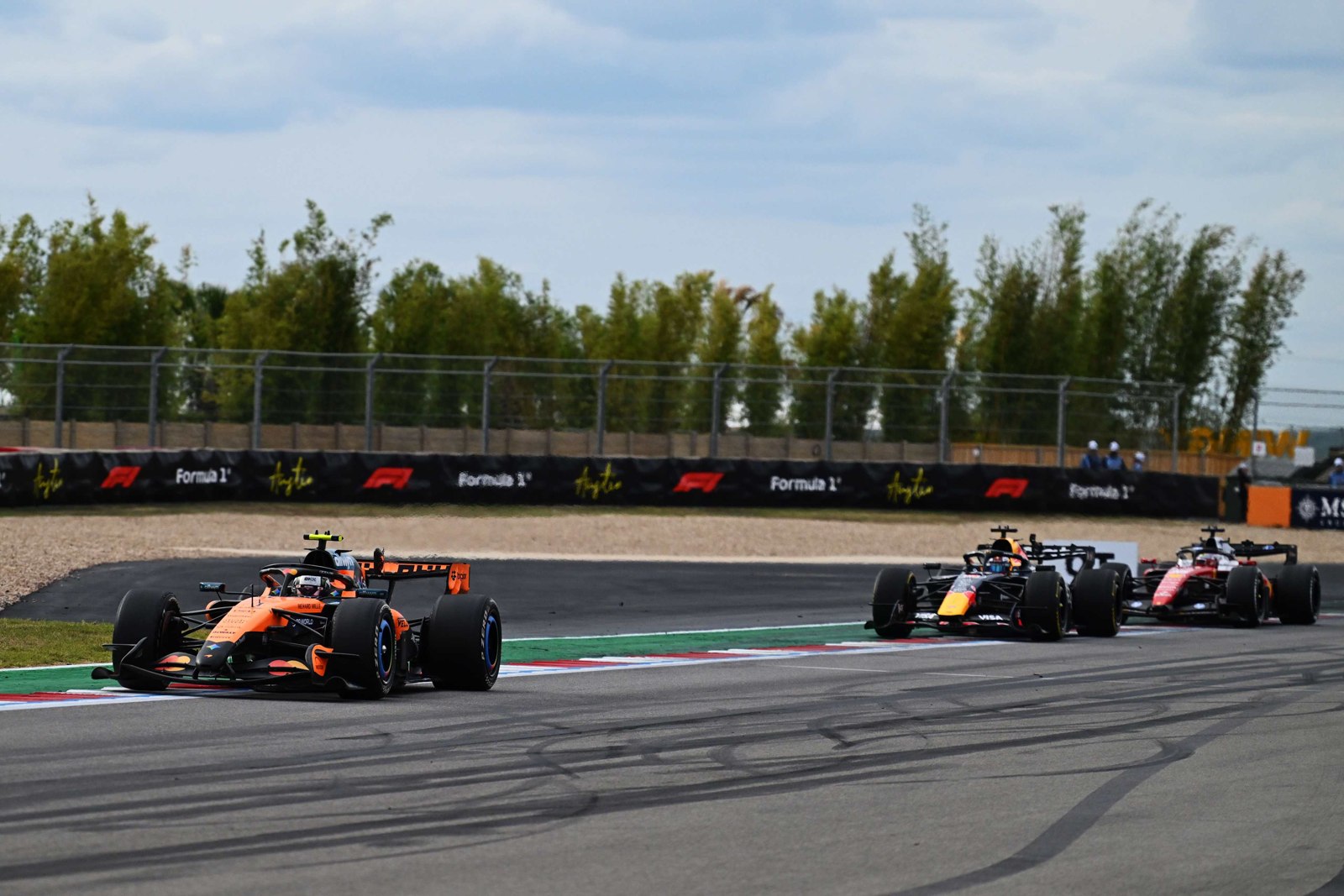
Norris and Piastri started on the fourth row and finished fifth and seventh respectively in the F1 United States Grand Prix on October 25. Both McLarens made one stop, bringing Norris as high as second and helping Piastri hold off Russell, but falling short of the podium the team had hoped for.
Hard tires create strategic options, but second place proves temporary
In F1's official post-race interview, Norris said the car had been quick on the hard tire for a period, while the medium had been more difficult. He credited the team's strategy with giving him a chance of a strong result, but was frank that McLaren's overall pace was insufficient to challenge the cars ahead consistently.
Later in the race, Verstappen, Leclerc and Hamilton passed Norris in turn, dropping him from second to fifth. McLaren explained afterward that he had needed to push hard to stay competitive and retain an opportunity if a Safety Car appeared, and subsequently paid the price for that effort.
Piastri made clear that two stops had originally been planned, but the hard tire performed well enough to extend to a one-stop. Although extracting more lap time was difficult throughout, he retained his position ahead of Russell. The team felt the decision helped him maintain track position in the second stint.
Drivers emphasize pace as team principal highlights qualifying
Team Principal Stella praised the strategy, pit stops and cooperation between the drivers in the team's post-race feedback. He felt the weekend's upgrades had made a positive contribution and the car still had podium potential, but that failing to realize its qualifying potential made such a result much harder on Sunday.
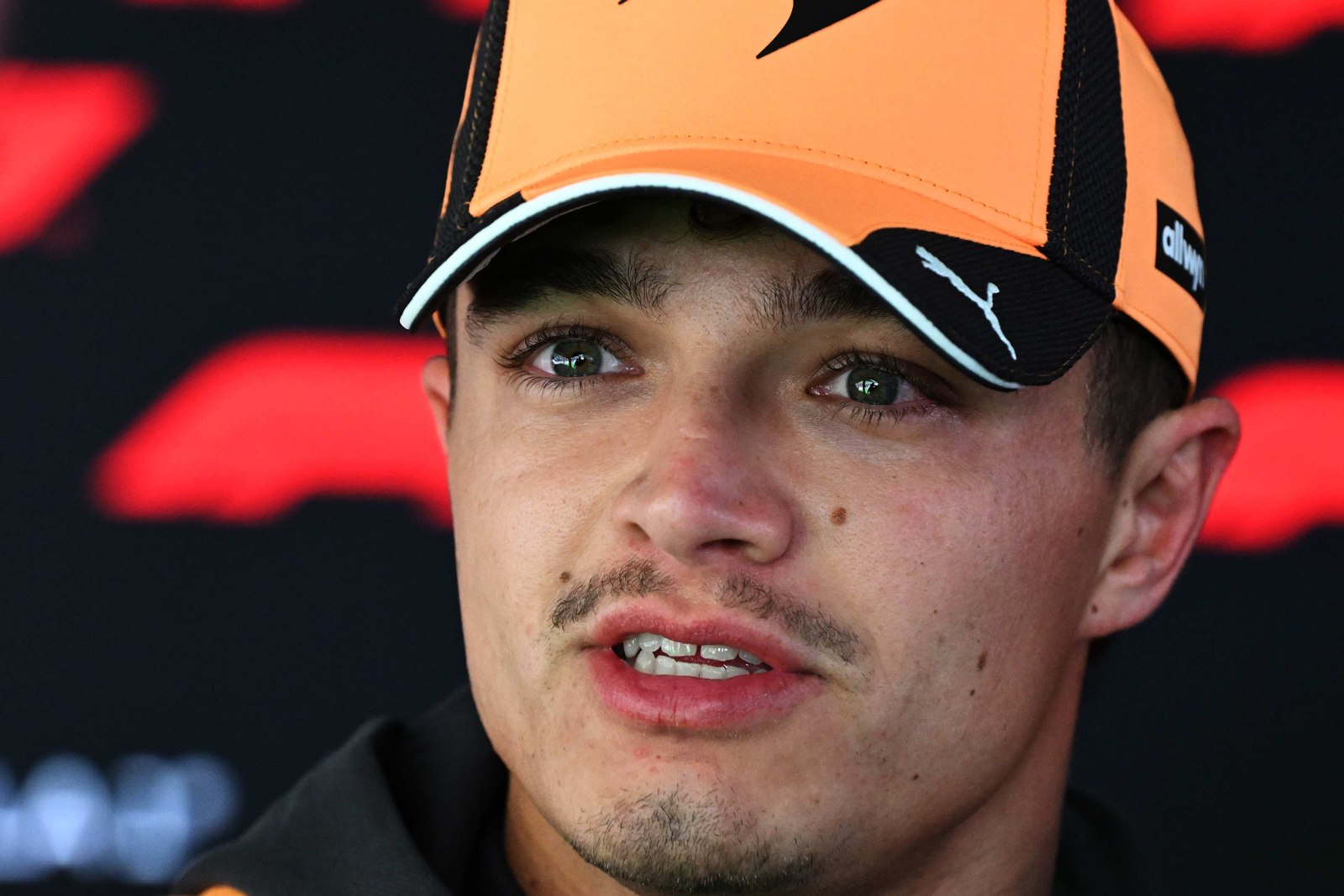
Norris was more direct about the car's current state: it had improved, but was still short of the required level. He identified qualifying performance and predictability as priorities. Piastri likewise felt the car had pace when it was in the right state, but finding that state was difficult. Those are separate questions from whether an individual pit stop went well.
After the United States Grand Prix, McLaren and Red Bull both had 355 points. The FIA's official constructors' standings placed Red Bull third and McLaren fourth: they were level on points, rather than occupying the same championship position. Praise for its strategy execution did not make fifth and seventh satisfactory final goals for McLaren.
INKA SPORTS analysis: Track position creates opportunities that still need to be defended
Norris' and Piastri's results show two effects of a one-stop. Making one fewer stop can temporarily move a driver forward and reduce opportunities for rivals to overturn the order through the pit cycle. But when opponents on a different strategy catch up, retaining that earlier position still depends on current pace and tire condition. Norris running second did not mean he had the second-fastest pace throughout.
Piastri holding off Russell shows that strategy and defense delivered some of the benefit; Norris then being passed by three cars shows its limit. Stella's emphasis on qualifying and Norris' concerns about pace can both be valid: a better grid position improves the conditions of the race, but more consistent car performance is still needed to carry an opportunity to the finish.
Conclusion
McLaren used one stop and cooperation between its drivers to gain useful positions in the United States, but could not remain in the podium places. The next test is whether it can improve qualifying and long-run pace together, rather than simply moving forward again in the pit-stop cycle. That would make it easier to turn strategic opportunities into final results.