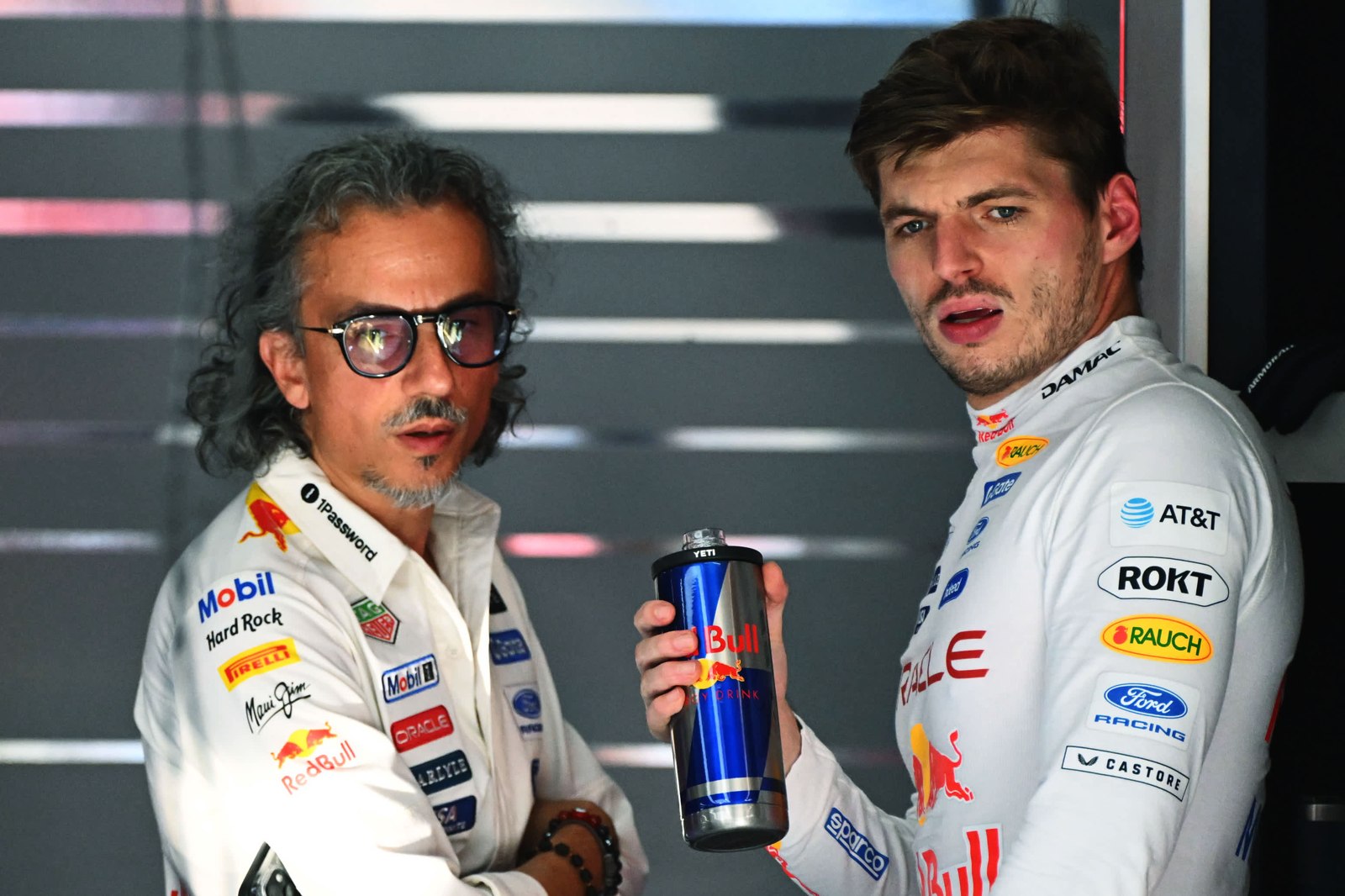
Red Bull's starts have improved, but becoming the benchmark in that area will require next year's design and hardware changes. Team Principal Laurent Mekies set out that timeframe in an interview after the United States Grand Prix: the team will seek smaller improvements over the remainder of 2026, with bigger changes reserved for 2027. As the car moves back toward the fight for wins, positions lost at the start become harder to absorb.
Race-by-race improvements continue, with major changes for next year
In Austin, Verstappen and Hadjar both lost places on the first lap after poor starts and suboptimal electrical deployment in the opening phase, ultimately finishing third and sixth. Mekies acknowledged that Red Bull had reduced its deficit in this area since the beginning of the season, but had yet to match the best of its rivals. Greater overall competitiveness makes the existing weakness more apparent, because the surrounding opposition is strong in both pace and execution.
Mekies believes the team learns at every round and can find ways to close the gap further, leaving scope for improvement this year. He also made clear, however, that Red Bull would not become the benchmark for starts before the season ends. That step requires “significant design and hardware changes,” which can only arrive next year. He did not identify specific components, an implementation round or expected gains.
Hart takes over the radio as Lambiase continues to support
The same weekend brought a different voice on Verstappen's race radio: Tom Hart replaced regular race engineer Gianpiero Lambiase. A race engineer relays information between the driver and the engineering team behind the scenes, communicating car feedback, race developments and team decisions clearly to the cockpit. F1's official report confirmed that the pair will rotate in the role for the rest of the season.
Mekies praised Hart's first appearance, saying he had effectively conveyed the engineering team's work to Verstappen in his first qualifying session and race. The United States Grand Prix was complex, and third place left the team disappointed, but the team principal did not blame the newcomer. He also noted that Lambiase had provided extensive support behind the scenes. A new engineer cannot instantly reproduce an established rapport with a driver; that takes time.
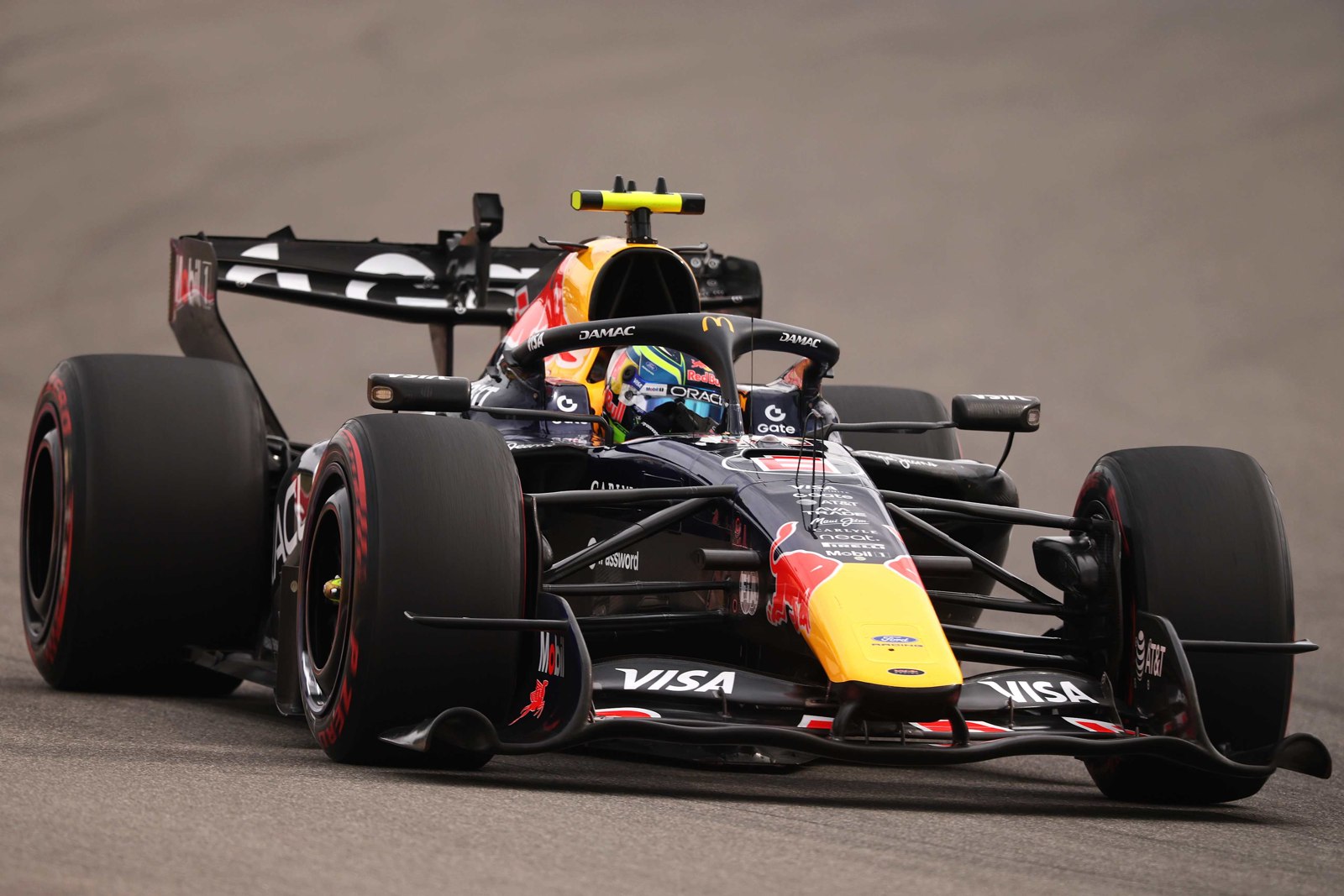
Mekies was equally direct about losing to Antonelli in the race: the rival was faster that day, and Red Bull could not use tires or strategy as an excuse. He felt total race times for one and two stops were quite close. That assessment distinguishes two issues: the team does have start and execution problems to address, while its leader also acknowledges that its opponent held an advantage in normal race pace.
INKA SPORTS analysis: Short-term improvements and longer-term changes address different needs
For Red Bull, Mekies' timetable means the remaining races cannot depend on a major hardware overhaul arriving to improve starts. Details learned from each event can still be pursued, while deeper design changes belong to next year. Progress this season should be measured by whether the team can launch more consistently with what it has, preventing first-lap losses from undermining gains in overall speed.
The engineer rotation is a separate line of work. Hart integrates and communicates information during races, with Lambiase supporting him behind the scenes, allowing the handover to develop through actual competition. Mekies' assessment of Hart is compatible with his judgment on start hardware: driver-engineer cooperation requires race experience, while work on starts combines improvements to existing details with design changes next year.
Conclusion
Red Bull has set a clear sequence: continue accumulating smaller improvements this season, then introduce significant design and hardware changes next year. Meanwhile, Verstappen and the rotating race engineers will gradually build their working relationship. The next points to watch are whether starts become more consistent and whether, having held its positions, the team can convert its existing car pace into results.