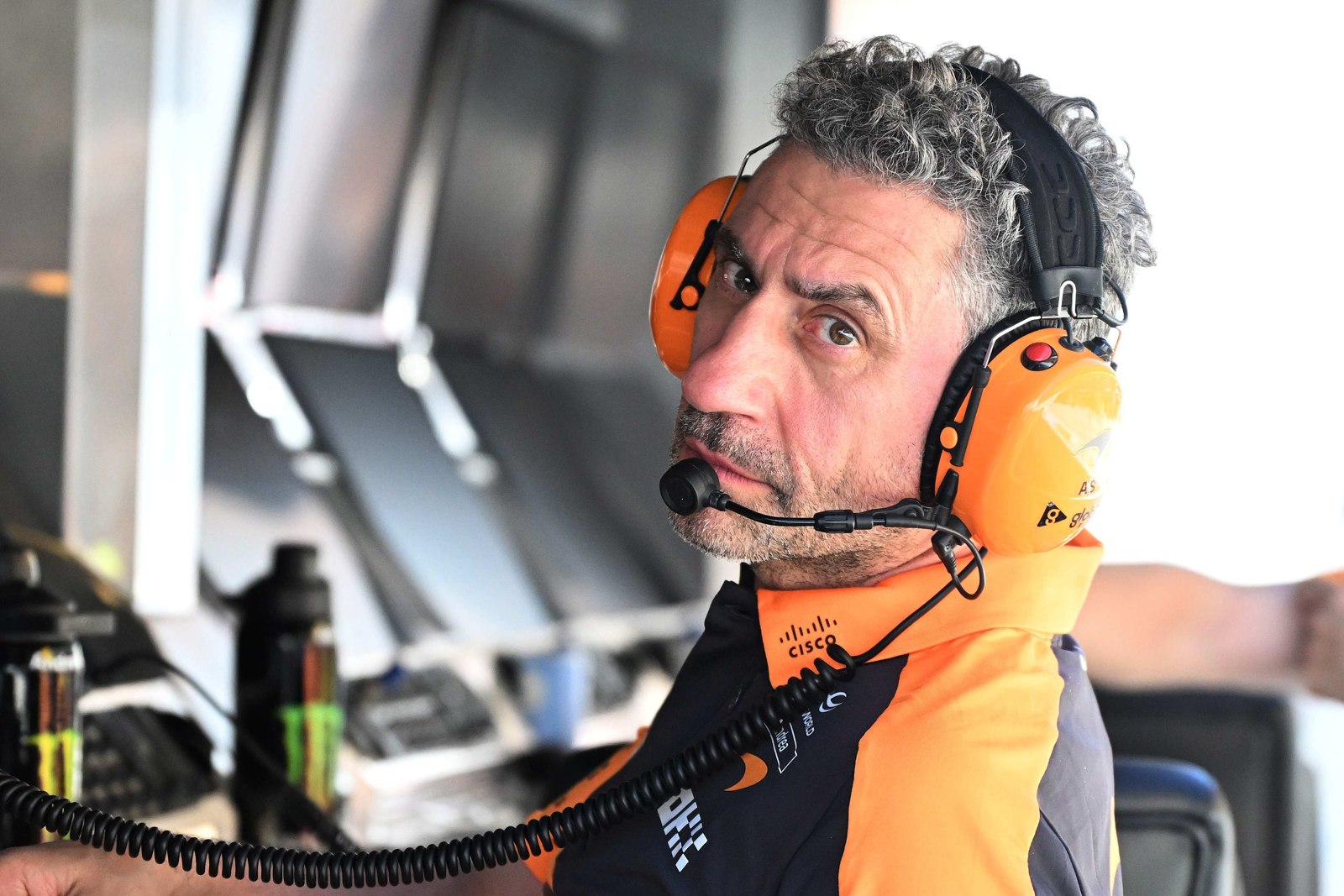
McLaren's development for the season is not finished, but the upcoming Mexican Grand Prix will bring little new. After the United States Grand Prix, Team Principal Andrea Stella confirmed that further upgrades will be spread across Brazil and Las Vegas. He hopes the changes will help the team challenge for podiums more consistently and gradually approach the competitiveness required to fight for wins.
Upgrade timing confirmed, but components still undisclosed
Stella's comments set out the order of the team's immediate work: limited changes in Mexico, followed by upgrades in Brazil and Las Vegas. Several improvements remain in development, but his remarks did not identify components or quantify lap-time gains. After fifth and seventh in Austin, those upgrades will give McLaren fresh development opportunities to improve its results.
In the US Grand Prix, Norris rose to second on a one-stop strategy before being passed by two-stopping Verstappen, Leclerc and Hamilton. Stella felt McLaren's race competitiveness that day was close to Ferrari and Red Bull, with Antonelli faster than everyone else. He also explained that a one-stop preserved the chance to benefit from a Safety Car, while acknowledging that keeping Verstappen and Leclerc behind throughout would be difficult.
Slow-corner losses and performance that is difficult to extract
More directly than the number of stops, the drivers' feedback identifies development needs. Speaking to McLaren's official website, Norris said very slow sections such as Turns 12, 13 and 15 in Austin cost them nearly 0.3 seconds a lap. He believes the team knows what needs improving, but that its progress is still insufficient. This is Norris' assessment of performance at that circuit, rather than a team promise of time an upgrade will recover.
Piastri described the difficulty this way: the car has reasonable pace when its performance can be extracted, but doing so is extremely hard. He finished seventh in the US Grand Prix and kept Russell behind for around 20 laps. Holding the position demonstrated race execution, but did not alter his assessment of how difficult it was to extract lap time. McLaren still needs a car that is easier to operate near its limit.
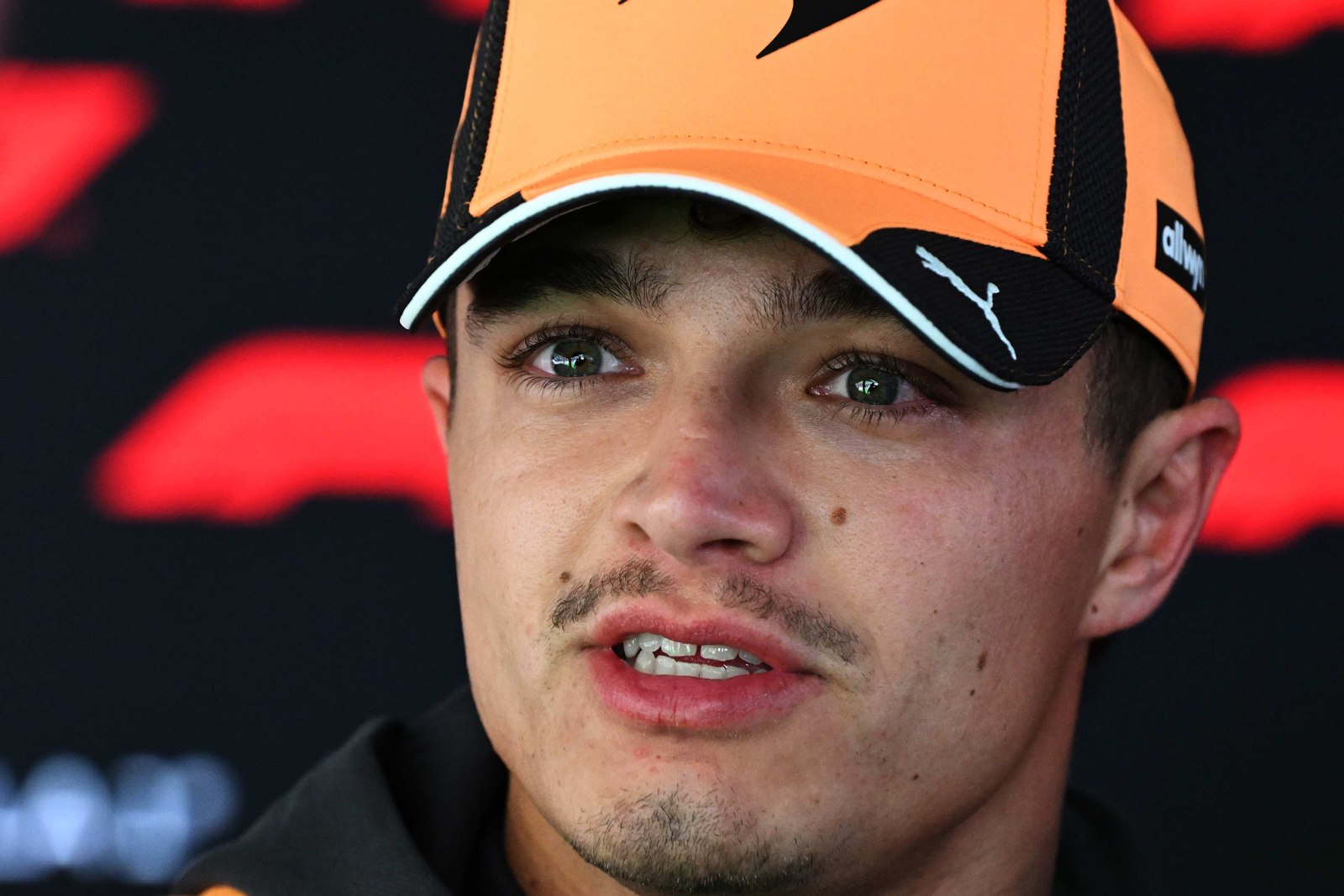
Stella also discussed the difference between qualifying and racing. He felt McLaren had failed to turn its expected qualifying potential fully into lap time. In the race, drivers do not have to push to the limit everywhere as they do in qualifying, naturally leaving a margin that makes the car easier to get performance from. Norris felt the car had front-row potential; Stella was more cautious, stressing how difficult it had been to use all its performance throughout the season.
INKA SPORTS analysis: Upgrades must add speed and make it easier to use
Taken together, the team principal's and drivers' feedback points to at least two connected tasks. Norris identifies speed lost in specific corners; Stella and Piastri emphasize the difficulty of extracting performance. The first calls for a faster car in its weak areas, while the second concerns whether drivers can consistently approach the level the car already offers. Increasing theoretical potential may not improve grid positions if that potential remains difficult to use in qualifying.
This also explains why Mexico remains worth watching. Stella has said there will be little new there, so the team must still find repeatable performance in the existing car. Austin's one-stop strategy briefly delivered a strong position, but rivals on fresher tires eventually overtook. Strategy can create an opportunity; sustained lap time helps a driver retain it. The value of the later upgrades should be judged against both needs.
Conclusion
McLaren has earmarked Brazil and Las Vegas for its next substantial changes, while its drivers have already identified the immediate problems: more speed in slow sections and a car that is easier to handle near the limit. Mexico will first test what the current car can deliver; subsequent rounds will show whether the upgrades address these specific weaknesses. Consistent podium contention is Stella's stated goal, and still has to be achieved on track.