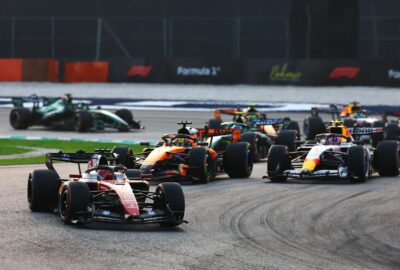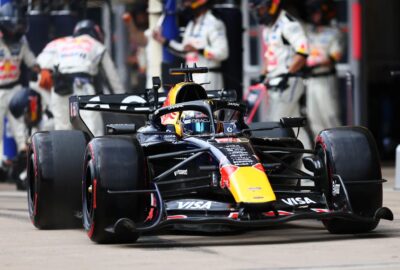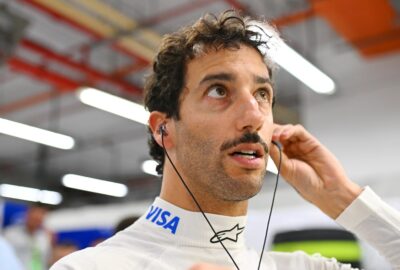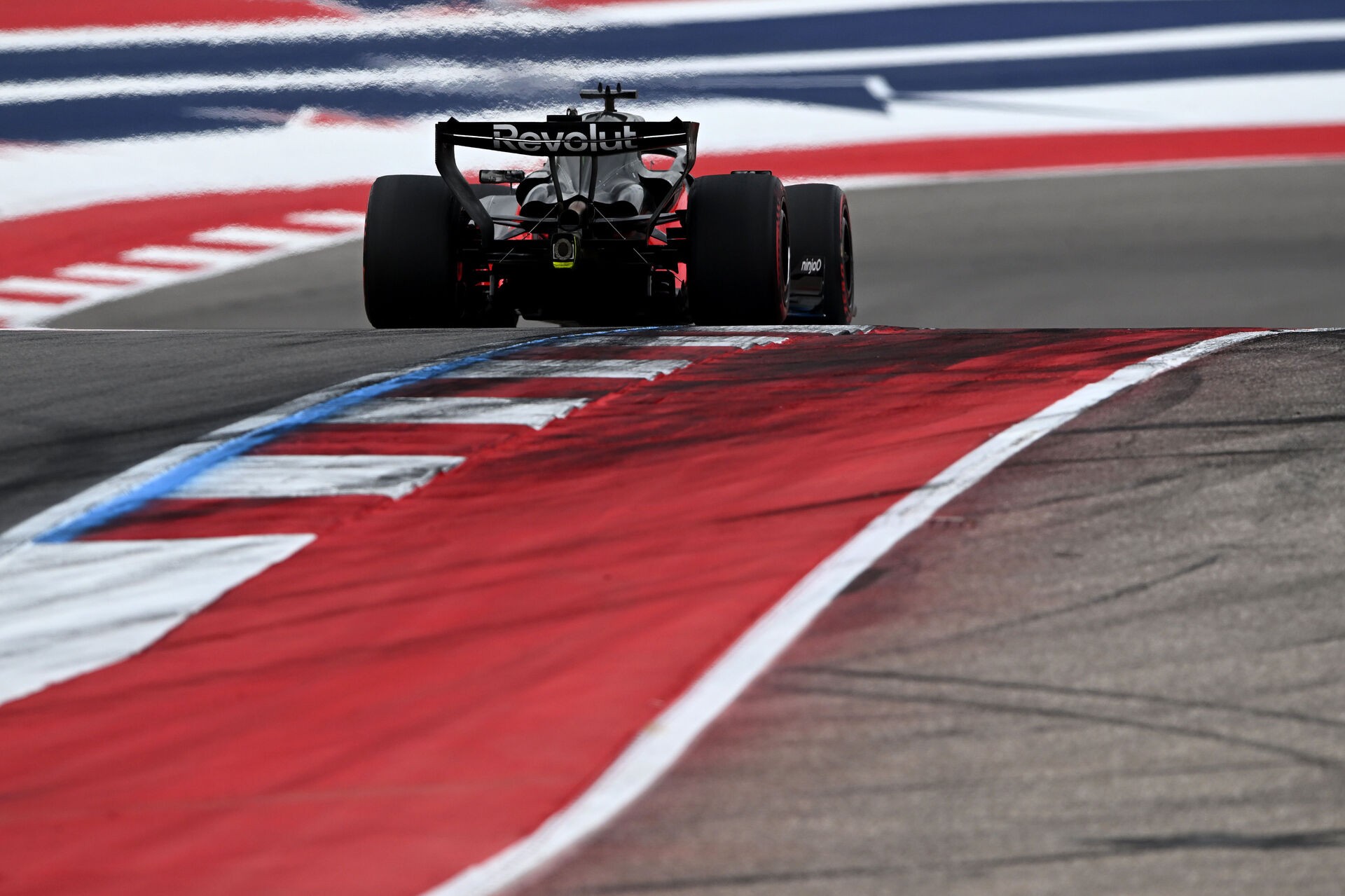
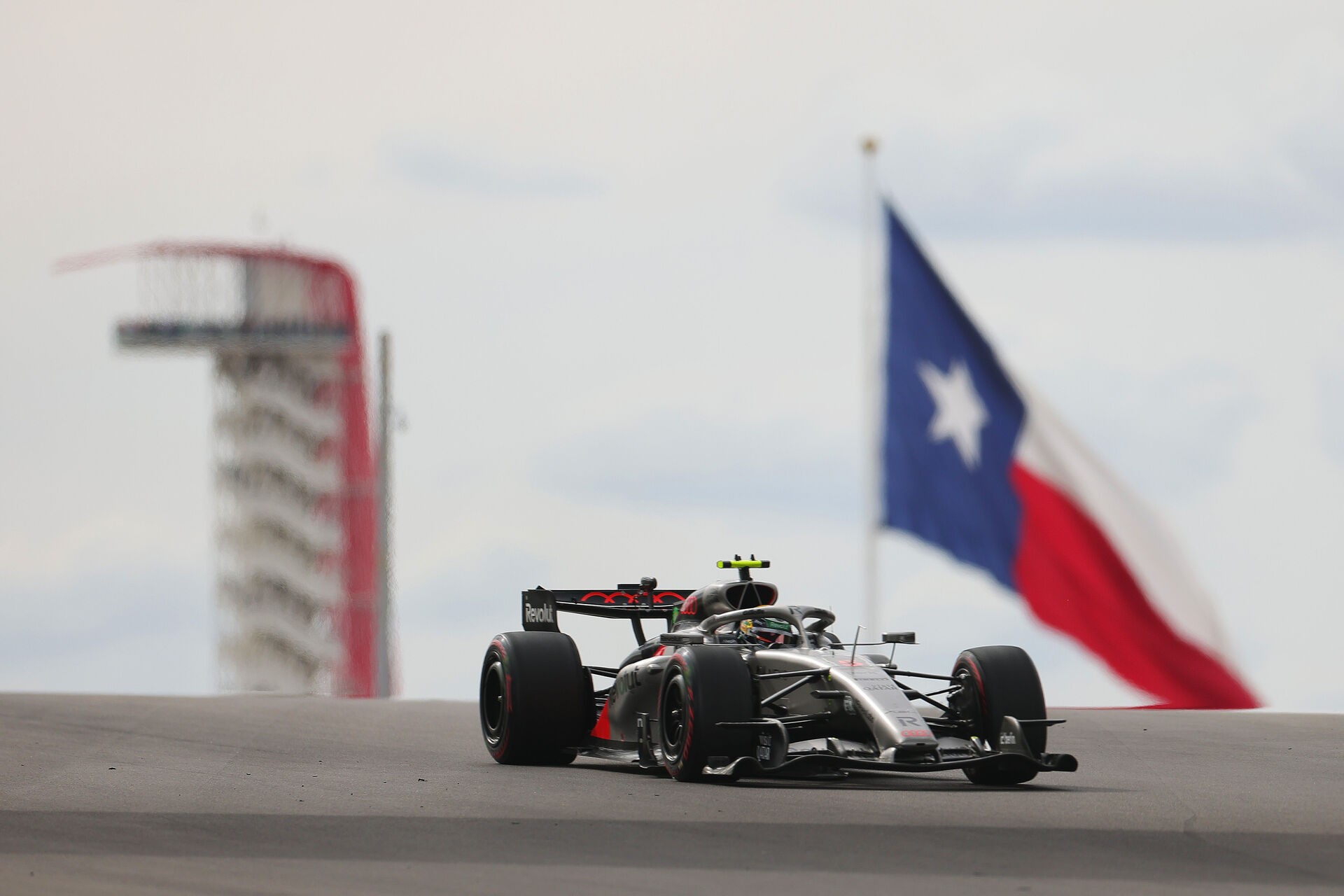
Starting 11th, dropping to 15th, then recovering to 11th: Nico Hülkenberg completed a difficult fightback at the United States Grand Prix but remained outside the points. A post-race report published on F1's official website on October 27 recorded his description of the unusual start: the car had already traveled a few meters before anti-stall intervened. Audi must now establish what happened and avoid turning another race into a recovery drive.
The problem arose after leaving the grid slot
Hülkenberg said this could not simply be described as a poor start. Anti-stall normally intervenes immediately, but in Austin it activated after the launch, with an unusual sound and feel. Anti-stall is a protective function designed to prevent the engine from stalling; its intervention at that moment interrupted normal acceleration. After the race, Hülkenberg did not yet know what had triggered it, leaving the team to examine the sequence.
Audi confirmed in its official October 25 race report that the start dropped Hülkenberg to 15th. Racing Director Allan McNish praised his subsequent recovery to 11th, close to tenth, and felt the result failed to reflect the driver's performance. Hülkenberg was more cautious: it was difficult to say with certainty what a normal start would have delivered.
Pace close to rivals, but positions to recover
Hülkenberg felt his race pace was quite close to that of the cars around him, particularly Racing Bulls. Once he was behind, however, that pace was insufficient to recover the losses quickly. He started on new soft tires and switched to new hards on lap 29, completing a one-stop race. He regained four places but still fell short of the top ten.
The other Audi began from further back. Gabriel Bortoleto started on the final row after a penalty for changing power-unit components and finished 13th. He said the car felt good, that he had made some overtakes and avoided contact damage. McNish regarded 13th as the best realistic result given the starting position; that was the team's assessment of his recovery.
INKA SPORTS analysis: Matching pace does not necessarily recover positions
Both drivers gained positions, yet neither scored: Bortoleto had to overcome a back-row start, while Hülkenberg first had to recover his losses off the line. Moving from 15th to 11th only returned Hülkenberg to his original grid position. With pace merely similar to the surrounding rivals, Audi struggled to build a sustained advantage for a larger recovery. Losing places at the start did more than change the running order: it meant that part of a race that could have been spent pursuing the top ten instead went on repairing the damage.
This differs from simply lacking race pace. The drivers' feedback suggests Audi can compete in the midfield; the result shows that being close to rivals is insufficient to offset losses at the beginning. A normal start would not guarantee points, but would allow a driver to begin the fight further forward and reduce the number of overtakes required. Austin's immediate lesson is to make use of the existing pace from the start.
Statistics on F1's website also illustrate the gap between proximity and reward: Hülkenberg has finished 11th in three of the last four Grands Prix, with only eighth in Singapore bringing four points. Audi is currently eighth in the constructors' standings, seven points behind Haas. One 11th-place finish brings no points, and repeatedly approaching the top ten does not reduce the championship deficit. Consistently converting competitive performances into top-ten finishes is what matters.
Conclusion
Austin left Audi with two different messages: its drivers can still compete in the midfield, but Hülkenberg's unusual start again forced him to recover from a disadvantage. In Mexico, the first point to watch is whether he can complete a normal launch and remain in the points battle from that moment. The precise cause of the anti-stall intervention has yet to be established; establishing how it was triggered is the team's next step toward more consistent starts.