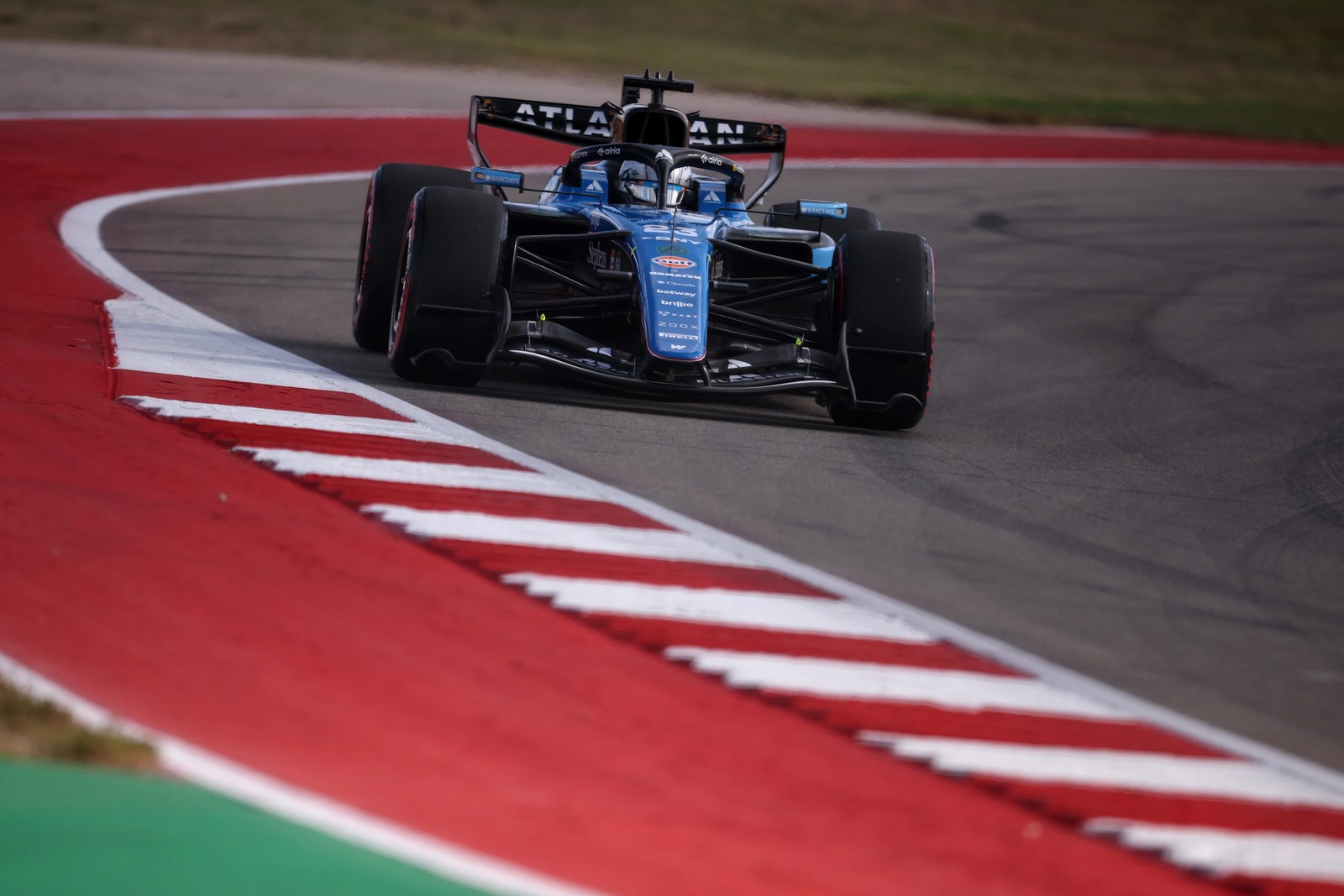
Both Williams drivers were eliminated in Q1 at the 2026 F1 United States Grand Prix: Sainz was 19th with 1:36.770 and Albon 20th with 1:36.967. Speaking to F1's official interview team afterward, Albon said plainly that repeated setup changes had still failed to solve the car's underlying problem. Sainz discussed testing aimed at 2027 separately from the current lack of speed.
Albon: Setup changes every session have not ended the confusion
Albon felt the team needed to review the timing of the final run because he thought he had been sent out too early. His confusion went beyond that lap, however. From FP1 through qualifying, the team had struggled with the car and tires, trying different setups every session without finding a consistently effective approach. He said he ended qualifying much as he had felt after the start of FP1: confused.
In Saturday's final practice, Albon was 19th with 1:37.668, 2.775 seconds slower than Hamilton's fastest lap. That comparison is confined to timed results in the same practice session and cannot quantify the effect of a particular setup. What it does show is that Williams already faced a substantial pace deficit before qualifying.
Sainz: Testing brought lessons, but the car's lack of speed cannot be avoided
Sainz said the team had devoted extensive weekend testing to next year and turned to extracting more from the current car relatively late. Setup changes before qualifying made him more comfortable, and his first two sectors on the final lap were good, but he made a mistake later and failed to complete the lap properly. The team's post-session account located the mistake specifically at Turn 15.
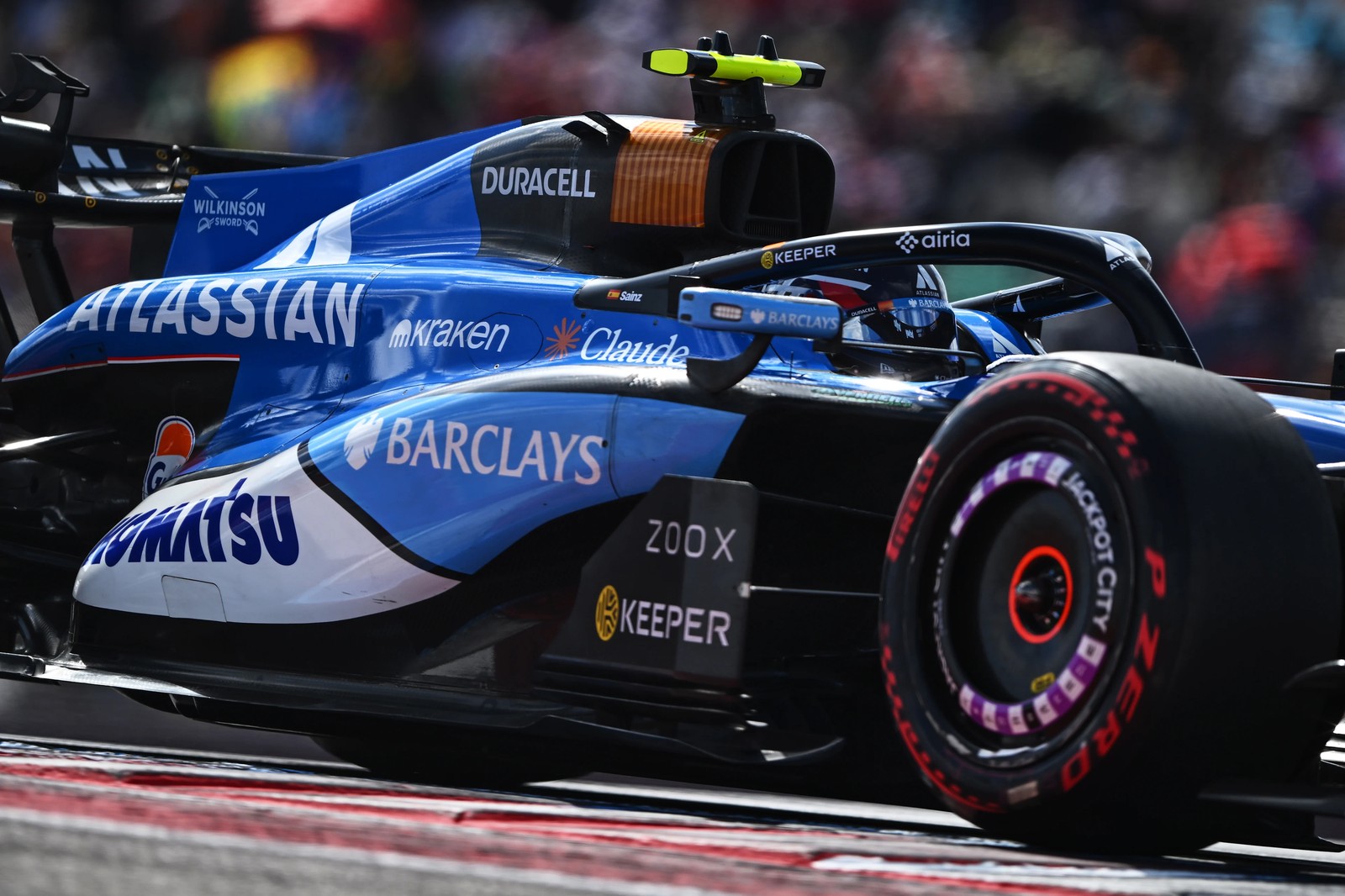
He did not use future testing to explain the entire deficit. Sainz said the team was indeed learning things for next year, but also had to acknowledge that the car was slow at circuits such as Austin. He did not expect a sudden miracle in the remaining races. The next step was still to do the available work well and continue learning from the existing car.
INKA SPORTS analysis: Run plans and underlying capability are separate questions
The drivers' feedback concerns both operations and performance. Run timing, setup adjustments and a mistake late in a lap are elements of execution that can be reviewed from the day. Weaknesses that persist through repeated changes mean a more favorable run plan alone cannot explain the whole deficit. Albon's concerns about the underlying problem do not contradict Sainz's recognition of testing gains.
Sainz's belief that a more complete lap could have delivered a better position shows there was room to improve execution on the day. His acknowledgment that the current car was slow also sets the limit of that improvement. Describing the deficit as a deliberate sacrifice of this event would obscure the practical constraints both drivers mentioned. Whether the testing ultimately benefits the 2027 car must be judged by later results.
Conclusion
Williams' Austin difficulties cannot be attributed solely to preparations for next year. Setup, run timing and driver execution require review, while the car's adaptability still needs improvement. The 19th and 20th places cited here are qualifying positions, rather than the starting order after penalties for other drivers. The full United States Grand Prix qualifying report preserves the session results. The value of the team's next steps lies in what it learns and applies, rather than promising a rebound in advance.