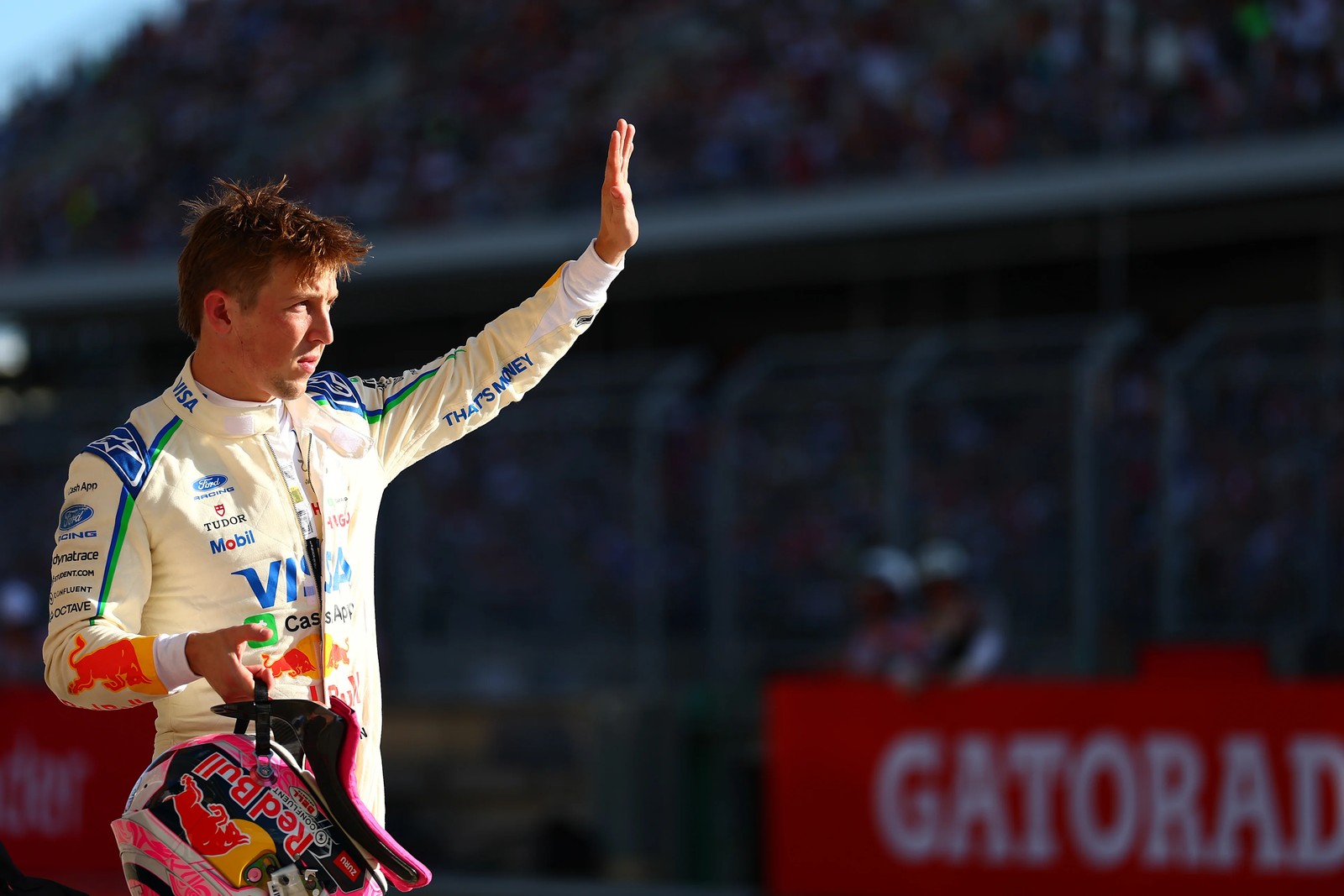
Both Racing Bulls drivers reached the top ten in qualifying for the 2026 F1 United States Grand Prix, but only Lindblad set a time in Q3. Lawson ended tenth without a Q3 time. F1's official post-session interview revealed that this was neither a car failure nor Lawson voluntarily opting out, but a team decision aimed at managing the impact of his teammate's penalty.
Lawson wants to run, but the team keeps him in
Lawson said he had saved two sets of tires for Q3 and had been eager for another attempt. He requested a run but was turned down; sitting in the garage watching his teammate head out was still frustrating as a driver. He felt the car had performed well all weekend, with just one set of tires needed to advance from Q1. Q2 had been a little more difficult, but he was ready to keep pushing for a result.
The team judged that eight cars from the four leading teams lay ahead, leaving Racing Bulls most likely competing for ninth and tenth. With Lindblad carrying a penalty, it prioritized ensuring he took the higher qualifying position of its two drivers. Keeping Lawson in the garage allowed Lindblad to qualify ninth and Lawson tenth, while also preserving unused tires as race options.
A five-place penalty changes the relationship between two orders
F1's earlier penalty report stated that Lindblad had used his sixth internal combustion engine of the season, exceeding the allowance and incurring a five-place grid penalty. The post-session report therefore expected him to drop from ninth to 14th, with Lawson, who had no such penalty, starting ninth. Those were the grid expectations in F1's reporting; the qualifying classification itself remained Lindblad ninth and Lawson tenth.
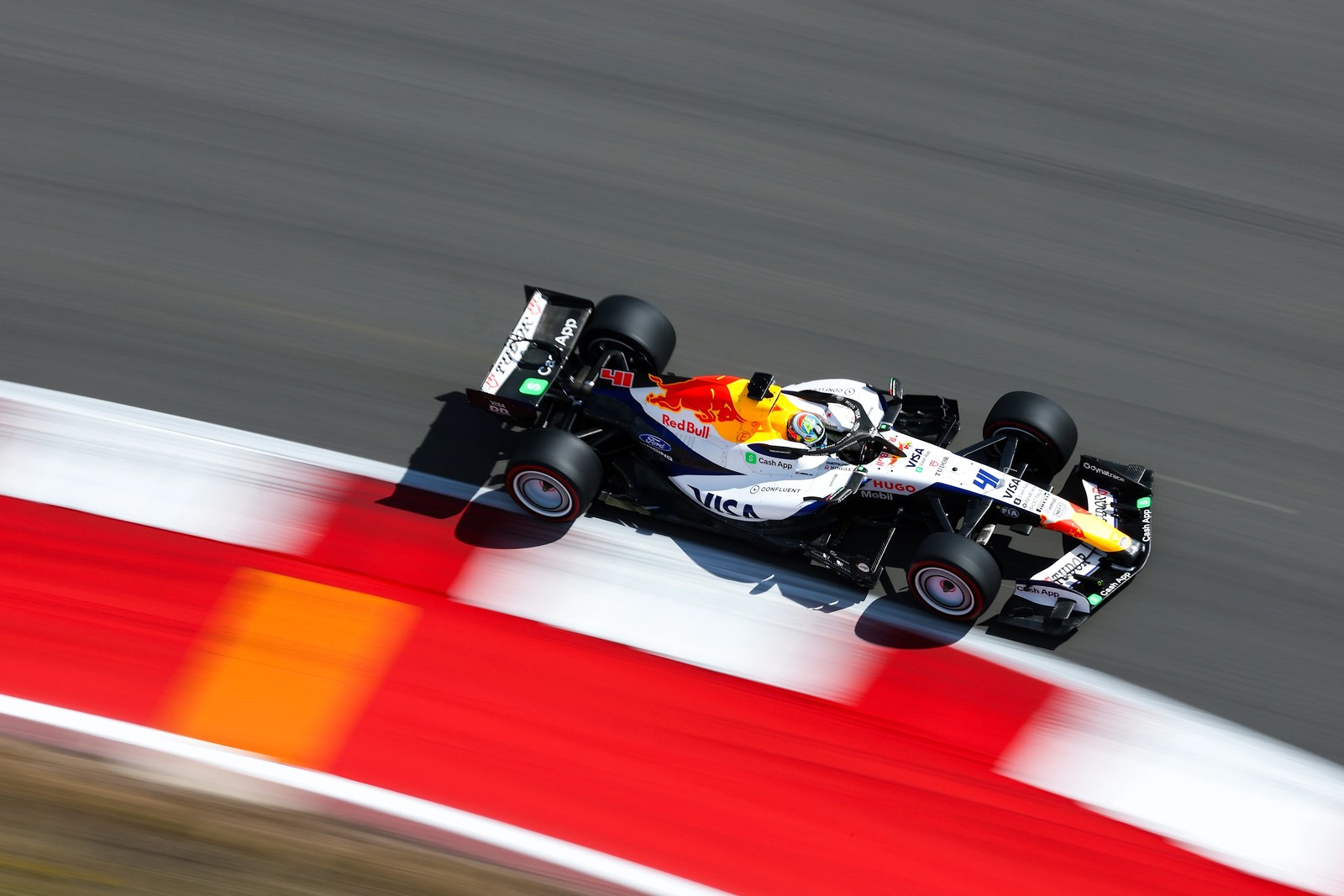
Lindblad also made only one Q3 attempt despite having tires available. He felt the choice was realistic: the leading teams usually find more speed in the final phase, so another run would likely improve only the lap time rather than the team's position. He was pleased to have put a lap together at the critical moment in Q2, while acknowledging that racing with a penalty would be harder.
INKA SPORTS analysis: What did foregoing a lap achieve for the team?
The decision was based on more than the fastest individual qualifying lap each car could achieve; the team was considering their combined positions after penalties. Giving the penalized driver the better qualifying starting point could reduce the loss from his drop. The unpenalized driver's starting place then had to be reordered in light of other penalties. Looking only at Lawson's empty Q3 entry would miss that distinction.
The trade-off also had a cost. The team gave up Lawson's opportunity to try again, and Lawson did not regard an inability to improve position as a certainty. Lindblad's expectation that the teams ahead would go faster was also a competitive judgment, rather than a guarantee that the two cars could only finish ninth and tenth. What can be established is how the team allocated the opportunity, not how fast Lawson would have been had he run.
Conclusion
Lawson's blank Q3 entry resulted from a team decision with a clear background. His disappointment and the team's overall considerations can coexist, while reminding readers to distinguish qualifying places, penalties and the final starting grid. Lindblad hopes to recover at a circuit where overtaking is possible, and Lawson is optimistic about long-run performance. Whether those expectations are fulfilled remains for the race. The United States Grand Prix qualifying report records the official timed classification for every driver in the session.