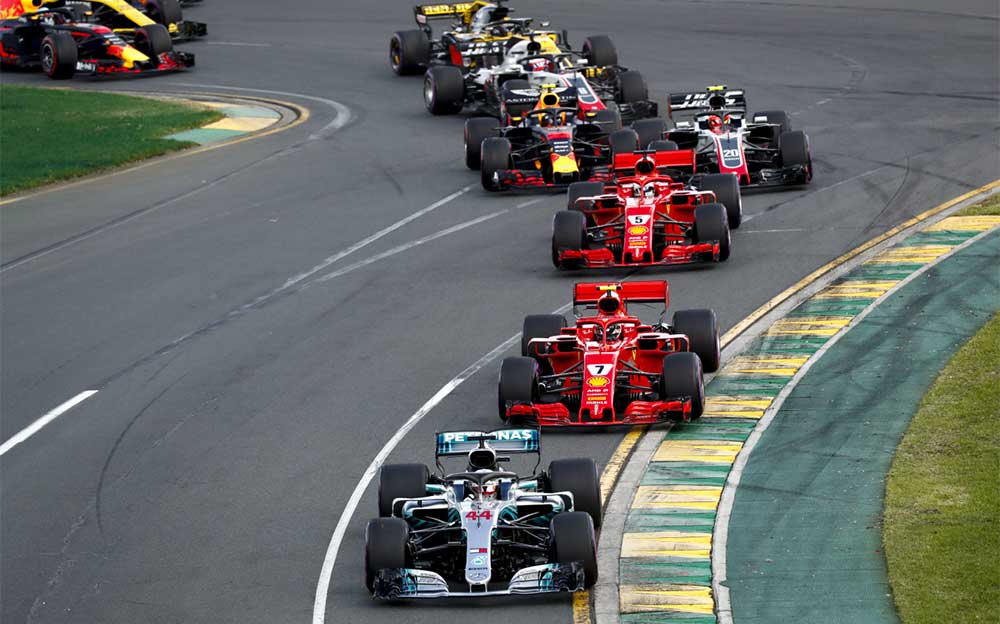
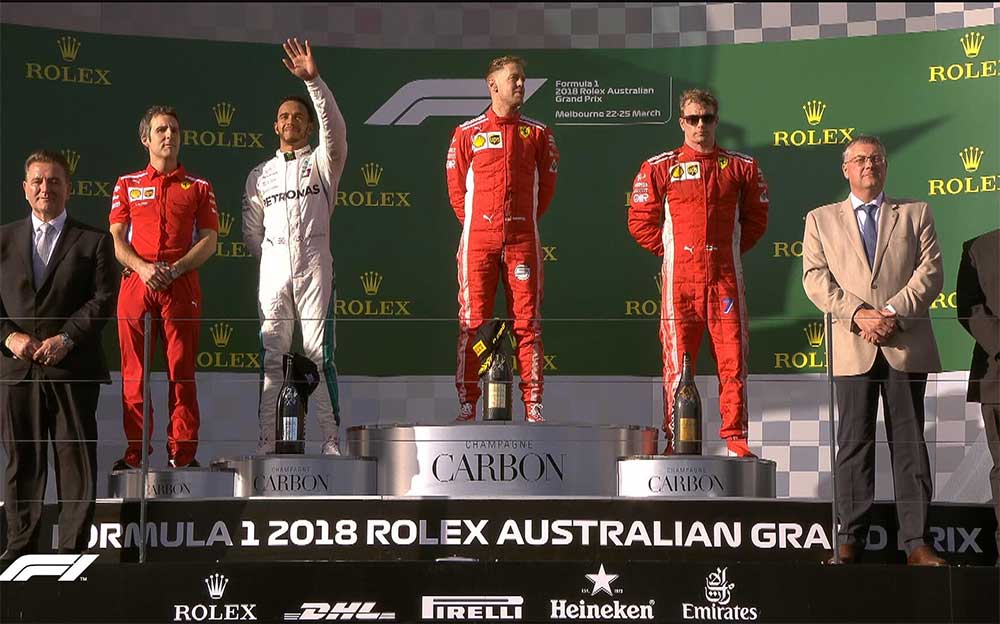
The opening race of the 2018 F1 season took place over 58 laps at Melbourne’s Albert Park circuit on 25 March. Lewis Hamilton started from pole and controlled the early stages, but the pit-stop phase brought a turning point. Sebastian Vettel took advantage of the virtual safety car window to stop, emerged in front and held the lead to the finish.
Vettel won in 1:29:33.283, with Hamilton second, 5.036 seconds behind, and Kimi Räikkönen third, another 1.273 seconds back. Ferrari converted Vettel’s third place in qualifying into victory, becoming the first team to beat Mercedes in a race in the new season. The result also changed the shape of the drivers’ championship contest at the opening round.
Hamilton maintained his lead early on, while Räikkönen kept pressure on the car ahead. Vettel delayed his stop before the two Haas cars retired at the side of the track in quick succession, leading to a virtual safety car period. Ferrari brought Vettel in during this slower window, reducing the time lost in the pits and helping him rejoin ahead of Hamilton.
Hamilton had stopped earlier under normal green-flag conditions and had appeared to remain in control. The virtual safety car, however, meant that the two victory contenders faced different pit-stop time losses. After racing resumed, Hamilton tried to close on Vettel but could not regain the lead. The strategic window ultimately became the decisive factor in the result.
Daniel Ricciardo finished fourth at his home race, having started eighth after a three-place grid penalty. Fernando Alonso took fifth, a strong result in McLaren’s first race with Renault power. Stoffel Vandoorne finished ninth, putting both of the team’s drivers in the points.
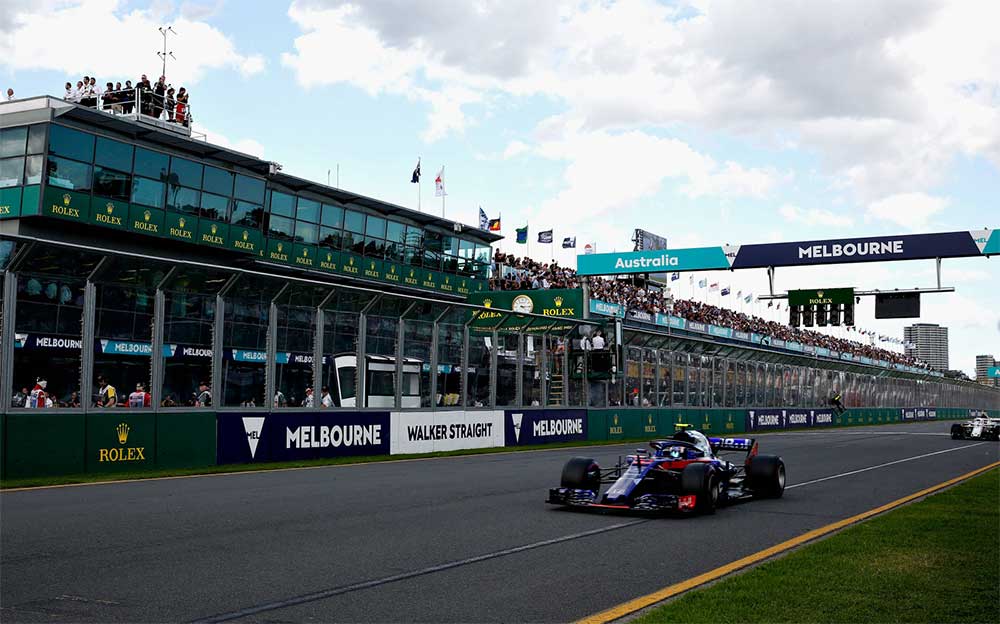
Valtteri Bottas climbed from fifteenth on the grid to eighth, gaining seven positions, while Hamilton’s second place was Mercedes’ best result. Max Verstappen recovered from an early spin to finish sixth. Renault’s Nico Hülkenberg was seventh, with several teams sharing the points-paying top ten.
Toro Rosso had a difficult start to the season. Brendon Hartley finished fifteenth, while Pierre Gasly retired with a power-unit failure. Haas drivers Romain Grosjean and Kevin Magnussen also retired in succession after wheel problems following their pit stops. The resulting safety-car window indirectly altered the pit-stop order at the front.
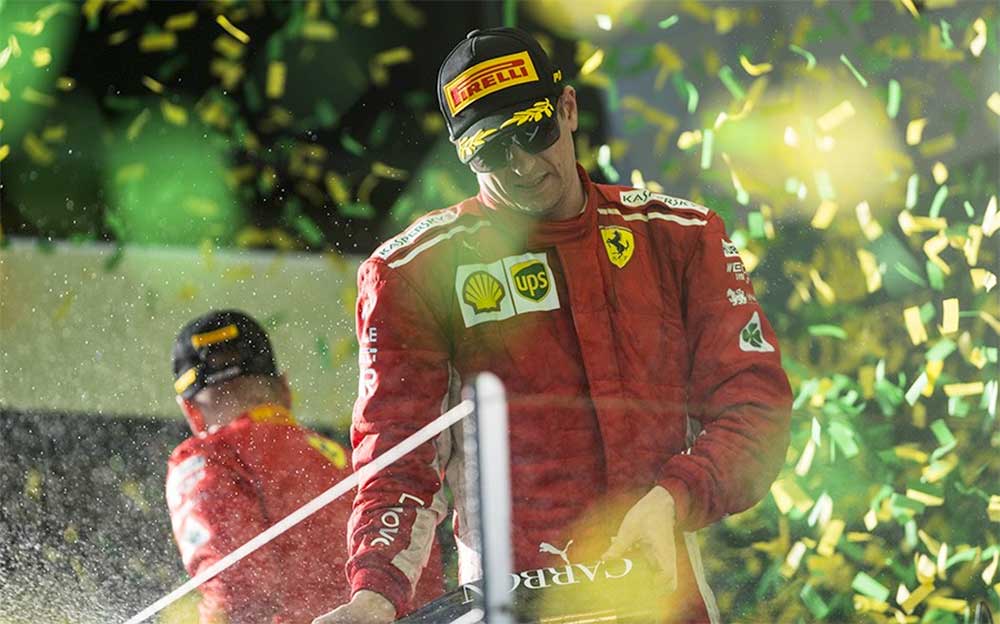
Vettel gave Ferrari a winning start to the season, with Hamilton second and Räikkönen third. All of the top ten scored points under the system in use at the time. The table below follows F1’s official final order and lists all 20 starters, their times or retirement status and points, retaining the official classification markers for those who failed to finish.
| Pos. | Driver | Team | Time / Gap | Points |
|---|---|---|---|---|
| 1 | Sebastian Vettel | Ferrari | 1:29:33.283 | 25 |
| 2 | Lewis Hamilton | Mercedes | +5.036s | 18 |
| 3 | Kimi Räikkönen | Ferrari | +6.309s | 15 |
| 4 | Daniel Ricciardo | Red Bull | +7.069s | 12 |
| 5 | Fernando Alonso | McLaren | +27.886s | 10 |
| 6 | Max Verstappen | Red Bull | +28.945s | 8 |
| 7 | Nico Hülkenberg | Renault | +32.671s | 6 |
| 8 | Valtteri Bottas | Mercedes | +34.339s | 4 |
| 9 | Stoffel Vandoorne | McLaren | +34.921s | 2 |
| 10 | Carlos Sainz | Renault | +45.722s | 1 |
| 11 | Sergio Pérez | Force India | +46.817s | 0 |
| 12 | Esteban Ocon | Force India | +60.278s | 0 |
| 13 | Charles Leclerc | Sauber | +75.759s | 0 |
| 14 | Lance Stroll | Williams | +78.288s | 0 |
| 15 | Brendon Hartley | Toro Rosso | +1 lap | 0 |
| NC | Romain Grosjean | Haas | DNF (24 laps) | 0 |
| NC | Kevin Magnussen | Haas | DNF (22 laps) | 0 |
| NC | Pierre Gasly | Toro Rosso | DNF (13 laps) | 0 |
| NC | Marcus Ericsson | Sauber | DNF (5 laps) | 0 |
| NC | Sergey Sirotkin | Williams | DNF (4 laps) | 0 |