Jaguar and Fortescue Zero Racing announced a multi-year supply partnership on September 18, with the new customer team planning to use Jaguar’s GEN4 car in the 2026/27 season. Jaguar’s announcement says its supply programme will expand from the factory team and Envision to three teams and six cars. Fortescue Zero also announced its acquisition of Penske’s Formula E operation, laying the foundation for a move from technology supplier to competing team.
Taking over an existing operation, with entry still subject to approval
Announcements published by Fortescue and Formula E on the same day state that the new team intends to compete from 2026/27, subject to approval by Formula E Operations (FEO) and the FIA. Acquiring an existing operation, choosing Jaguar as supplier and securing entry approval are related but distinct steps. The acquisition identifies the new owner of the Penske operation and its technical direction; it does not in itself add another team to the championship’s total entry.
Fortescue Zero already supplies technology to Formula E, has a technical partnership with Jaguar and is the supplier of the PIT BOOST rapid pit-stop charging system for the 2024/25 and 2025/26 seasons. Gus Pichot, CEO of the group’s growth and energy business, said in the announcement that joining the grid represents a new stage for its motorsport activities, with competition intended to develop and validate technology applicable to other industries. Its supply experience explains the background to the move into race-team operations, but the team must still prepare to compete in its new role.
GEN4 broadens development across the system
Jaguar lists GEN4 features including permanent active all-wheel drive, up to 600kW of power and 700kW of regenerative braking capability. The FIA’s car launch material on November 5, 2025 makes a further distinction: peak race power is 450kW, rising to 600kW in Attack Mode. The 600kW figure therefore describes capability in a specific mode, rather than an output used continuously throughout a race.
Jaguar’s manufacturer development scope includes the motor, inverter, gearbox, rear suspension, active rear differential, cooling system, driveshafts, wiring harnesses, software and control systems. GEN4 also opens up development of front and rear brake-by-wire and DC converter systems. The customer relationship consequently extends across propulsion, deceleration, energy recovery and control.
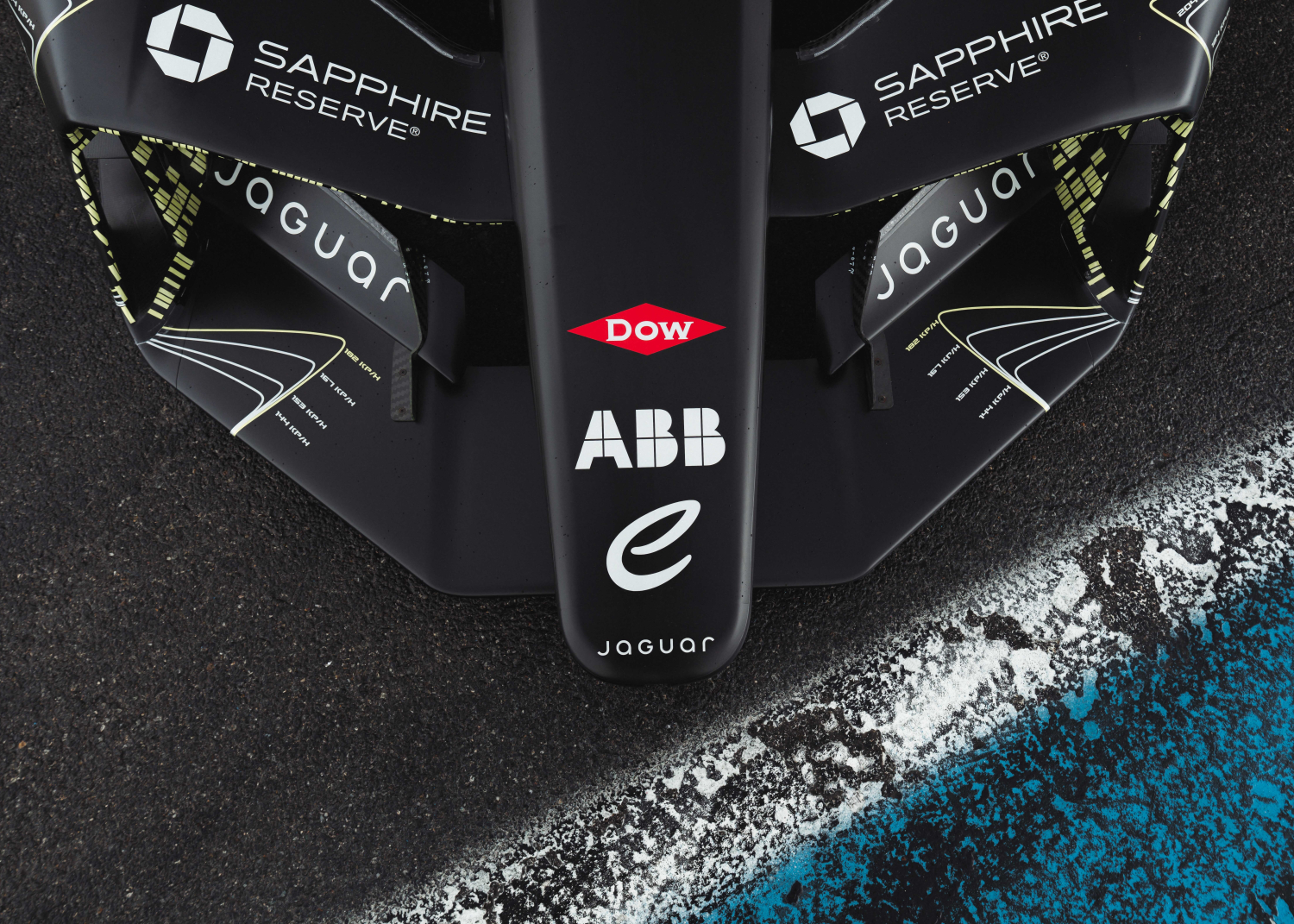
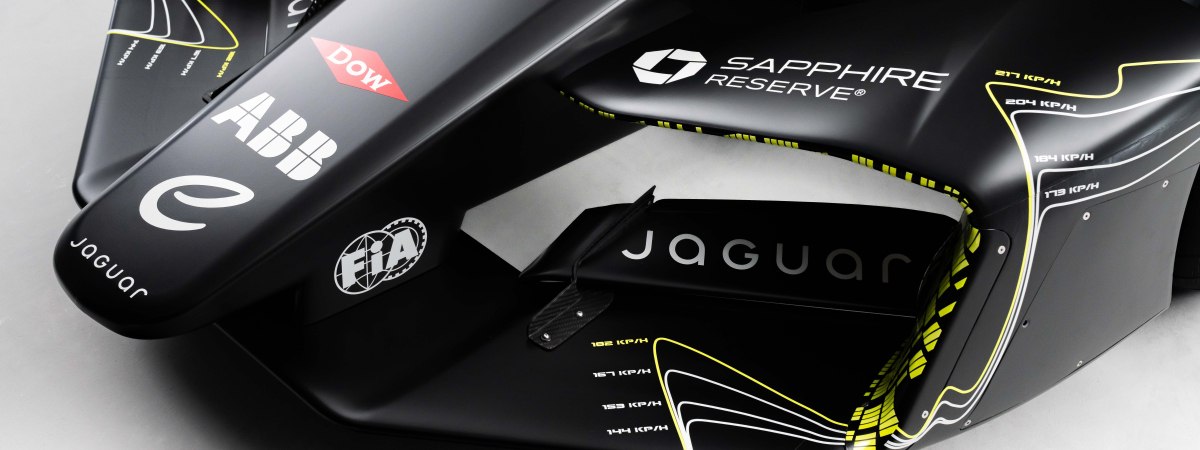
Jaguar’s background notes state that the carbon-fibre chassis and battery are common, centrally supplied components used by all teams to control costs. Manufacturers focus their development on lighter, more efficient powertrains, while customer teams use Jaguar technology within that shared framework.
Six cars in Jaguar’s supply programme
Jaguar confirmed that all six cars run by its factory team, Envision and Fortescue Zero Racing will be eligible to score points for Jaguar in the Manufacturers’ World Championship. Team principal Ian James sees the partnership as an opportunity to expand Jaguar’s Formula E presence and continue developing electric-vehicle technology. The announcement lists Jeddah on December 18, 2026 as the planned opening round of Season 13. The supply agreement must still be followed by car development, testing and operational preparations at each team.
INKA SPORTS analysis: Beyond peak figures, control and energy use matter
The FIA’s GEN4 technical regulations specify that one brake pedal controls four circuits: front and rear hydraulic braking, and front and rear motor regeneration. The driver’s deceleration command must take priority. Customer-team validation therefore cannot stop at peak power. Brake control, regeneration strategy and chassis set-up must work together to translate pedal inputs into consistent deceleration feedback. Fortescue Zero already has rapid-charging expertise, but the new car’s specific braking performance and operational reliability still need to be validated in testing.
The 450, 600 and 700kW figures also refer to different operating conditions. The first two describe propulsion power; 700kW describes energy recovery under braking. The actual energy recovered over a lap also depends on how long regeneration operates and under what conditions. Assessing the GEN4 partnership therefore requires more than peak specifications: teams must be able to manage energy consistently over a race distance. Regeneration power exceeding propulsion power does not, by itself, reveal the energy saved or lap time gained per lap.
Conclusion
Fortescue Zero’s takeover of the Penske operation and selection of Jaguar’s GEN4 car creates a planned partnership covering three teams and six cars. Entry approval, integration of the systems within the development scope, and the transition from supplying technology to running a race team remain necessary steps before that plan reaches competition.