Opel Formula E team principal Jörg Schrott says its GEN4 programme has completed 12 test days and approximately 6,000 kilometres. In an interview published by Formula E on October 30, he described “very solid reliability” from early in the programme and said the emphasis was increasingly moving towards preparation for race operations.
That reliability assessment is the team’s own. Schrott said the programme began more than two years ago, progressing through vehicle and component design, bench work and simulation, and systems integration before track testing. The track phase first validated reliability and the package, then pursued performance optimisation. The interview supplied no lap-time comparison under common conditions between teams.
From reliability validation to race preparation
The next milestones include FIA homologation, building the race cars, shakedowns and testing in Spain. Schrott singled out the official Jarama pre-season test: besides checking and refining the car, the entire team must demonstrate its operational performance under conditions resembling a race meeting.
His target is to arrive at Jarama with two fully prepared cars and a team capable of a high standard of race organisation and operations from the outset. That is a different measure of readiness from the distance already accumulated with a test car.

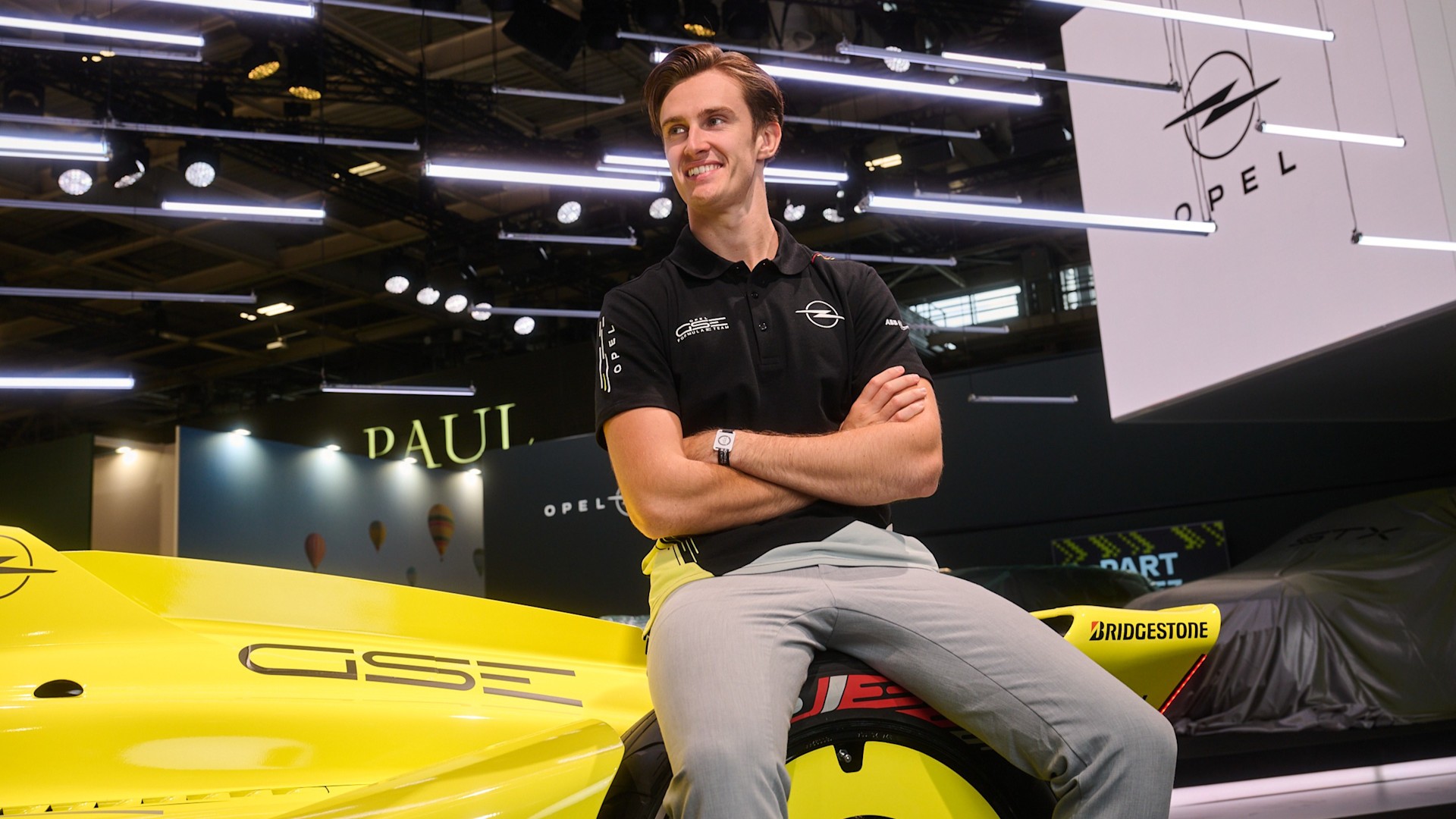
Opel’s 2026/27 drivers are Mitch Evans and Théo Pourchaire. Schrott said both have worked in the simulator and on track, providing engineering feedback and collaborating closely with the team. Evans leaves Jaguar after a decade together; Pourchaire begins his first Formula E season with the 2023 Formula 2 title in his background.
INKA SPORTS Analysis: Why does mileage not establish race readiness?
Approximately 6,000 kilometres provide context for sustained running and validation work, rather than proof of leading race pace. The next phase described by Schrott moves beyond a car that can run to two cars, drivers and a team able to deliver a race programme together. Homologation, assembly and operational rehearsal remain specific milestones he identified.
The official Formula E calendar lists the opening two rounds of 2026/27 in Jeddah on December 18 and 19. Jarama is therefore both the collective test before the season and an opportunity for Opel to check its two-car and team preparation. Which homologation, shakedown and operational tasks have actually been completed will describe readiness more usefully than mileage alone.
Conclusion
Opel has put figures on the scale of its testing and identified the work that follows. Early GEN4 reliability validation is giving way to race organisation. The next useful measures of progress will be completed homologation, two-car preparation and the operational tasks actually carried out at Jarama.