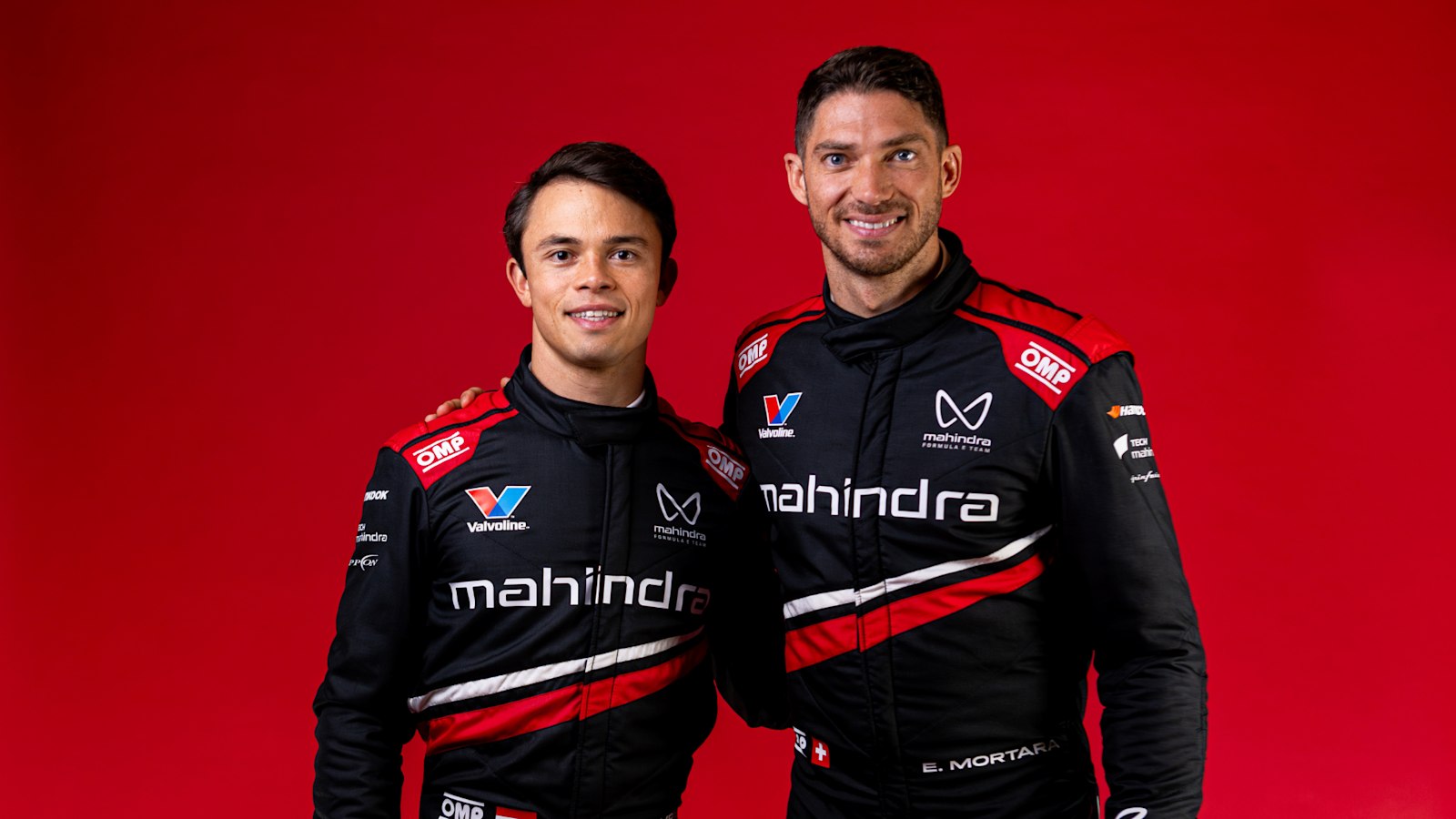
Mahindra has confirmed that Edoardo Mortara and Nyck de Vries will remain team-mates for the 2026/27 season. The line-up announcement published on Formula E’s official website on 29 September confirms that the pair will enter the first racing season for Formula E’s fourth-generation car, GEN4, together. The team is maintaining an established partnership, while the new car’s drivetrain and aerodynamic configurations will require fresh adaptation.
The basis for continuity: three years together and third in last season’s team standings
Mortara and de Vries both joined Mahindra in 2023. Last season, the pairing helped the team to two wins, seven podiums and five pole positions, finishing third in the team standings with 252 points to equal its best-ever result.
De Vries, the 2020/21 Formula E world champion, won in Monaco and Tokyo last season. Mortara will begin his tenth Formula E season; he made his debut in Hong Kong in 2017, subsequently raced the second- and third-generation cars, and will continue into the forthcoming GEN4 era.
Driver feedback: progress together, with a new car still to learn
Mortara said the past three seasons together had been positive, with the team improving in every area, but that the coming year would be challenging, particularly technically. De Vries saw last season’s third place in the team standings as a reward for the whole team’s efforts, while stressing that GEN4 would be new territory for every competitor, with much still to learn and explore.
GEN4 changes: power, all-wheel drive and two aerodynamic configurations
Formula E’s official GEN4 technical information lists a maximum of 450 kW in normal racing, rising to 600 kW in Attack Mode or qualifying mode. The figures apply to different operating conditions: 600 kW is not a continuous output throughout the race. The new car also features active all-wheel drive throughout.
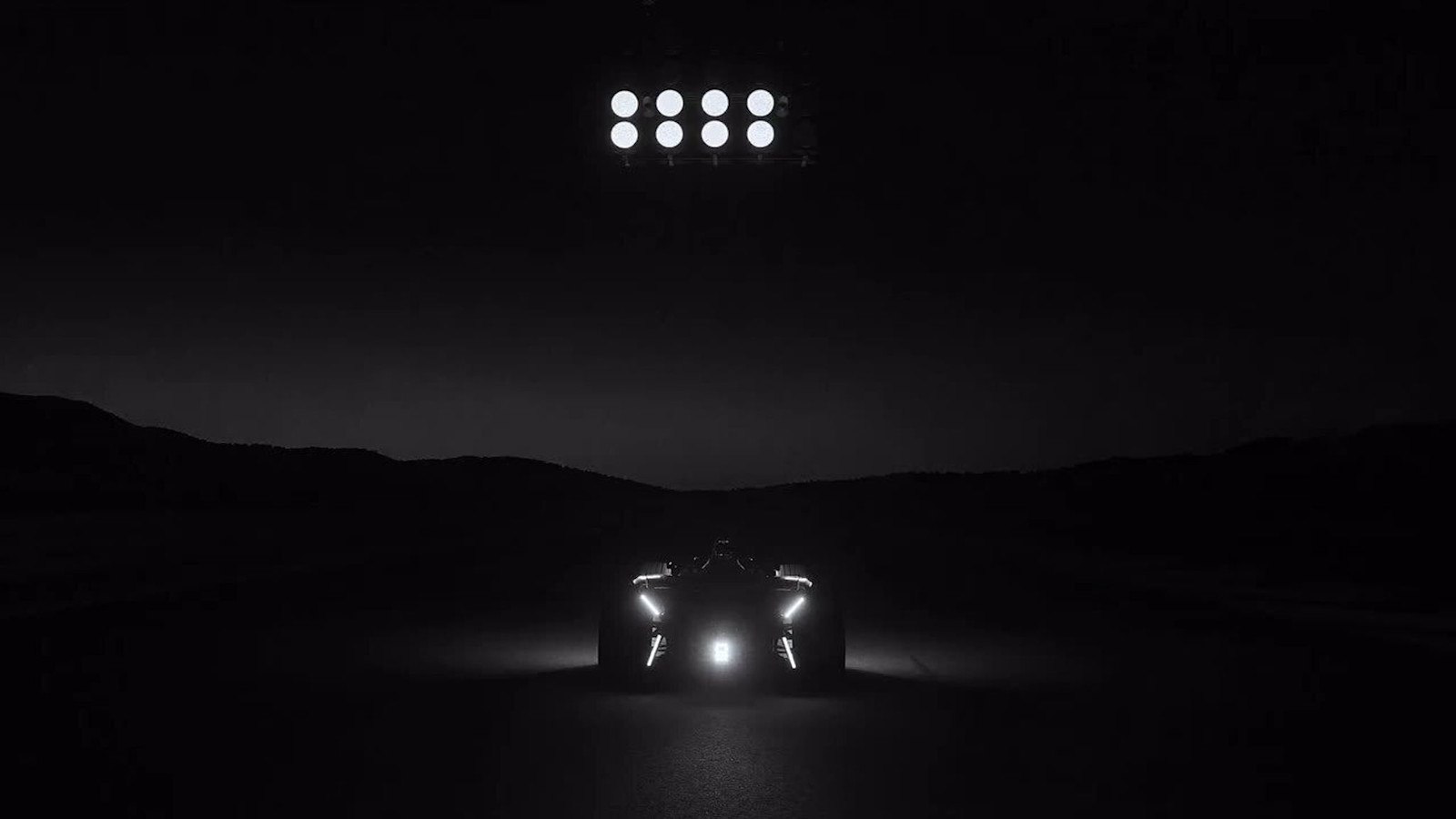
By comparison, the FIA’s original description of GEN3 Evo lists qualifying duels, race starts and Attack Mode as the phases in which all-wheel drive is used. GEN4 extends that drivetrain capability throughout the race. The official technical information also specifies a high-downforce configuration for qualifying and a low-drag configuration for races.
INKA SPORTS analysis: how experience can help Mahindra manage the generational change
Three years together preserve an established basis for communication
De Vries has Formula E championship-winning experience, Mortara has raced several generations of car, and the two have worked together at Mahindra for three years. Keeping the pairing preserves drivers and working relationships that are already well established as the team changes generations. Both drivers acknowledge the progress made over those three years, providing shared experience of the old car and a basis for communication as they prepare for the new one. In adapting to GEN4, the team can continue discussing changes in driving feel with the same pair, using the familiar responses of the previous car as a reference.
All-wheel drive on normal race laps, with distinct power modes
GEN3 Evo permits all-wheel drive only in qualifying duels, at the start and in Attack Mode; GEN4 extends drive through both axles to the entire race. In other words, all-wheel drive is already in use on normal race laps with a 450 kW power limit. Entering Attack Mode raises the permitted power ceiling to as much as 600 kW. Drivers adapting to the new car will need to learn both its acceleration response on normal race laps and its behaviour in the high-power mode. Experience of using all-wheel drive only in certain phases must expand to cover the whole race.
Different aerodynamic configurations create different learning tasks
Another GEN4 change is its two aerodynamic configurations: high downforce for qualifying and low drag for racing. Downforce is the force exerted by airflow that presses the car towards the track; drag is the air resistance that opposes its forward motion. With different priorities in each configuration, drivers will need to learn the car’s responses separately on a qualifying lap and during a race. Mahindra’s five poles and two wins last season show that the pairing achieved results in both disciplines. Preparation for the new car must also address both qualifying technique and race pace, using feedback from each configuration to guide adjustments.
Conclusion
Mahindra’s retention decision extends a three-year partnership, preserving Formula E title-winning experience and knowledge of several generations of car. The specific GEN4 learning tasks include using all-wheel drive on normal race laps, distinguishing between the 450 and 600 kW power limits, and becoming familiar with high downforce in qualifying and low drag in races. The team can build on the pair’s existing communication to work through each change in driver feedback and car adjustments.