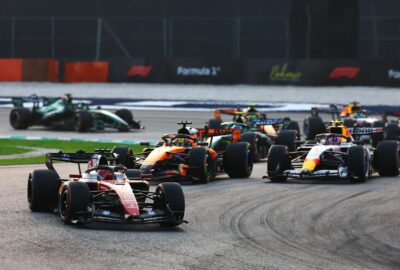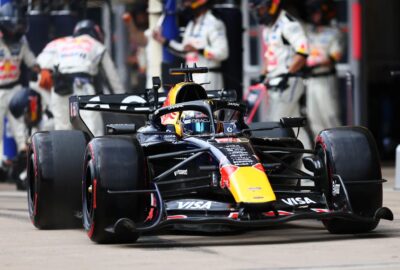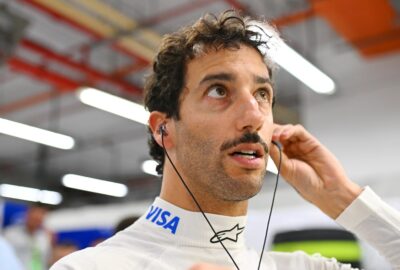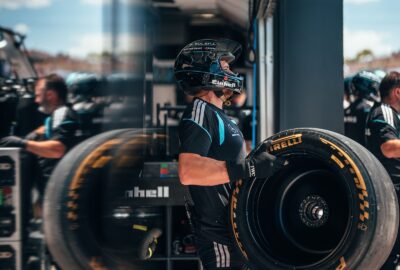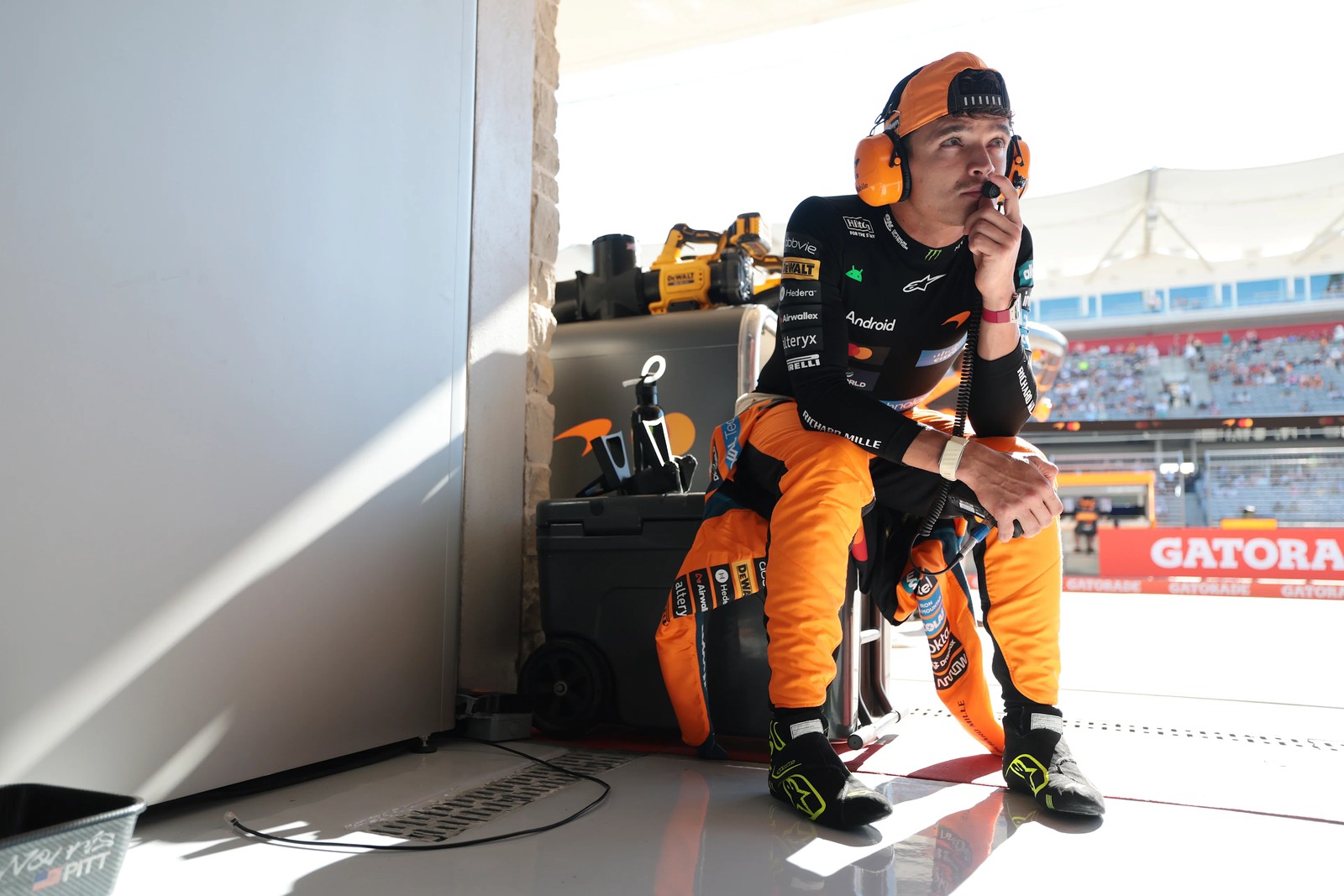
Lando Norris and Oscar Piastri were seventh and eighth in second practice for the 2026 F1 United States Grand Prix on October 23. Norris told F1's official interview team that McLaren did not lack speed entirely, but found it difficult to extract consistently. The team hopes small setup changes will make competitive laps easier to repeat.
Beyond the timesheet gap, sectors have yet to come together
Norris' best lap was 1.082 seconds behind leader Charles Leclerc, with Piastri another 0.014 seconds slower. Both McLarens trailed Ferrari, Mercedes and Verstappen, as well as Liam Lawson. Norris acknowledged a gap to the leading teams, but repeatedly highlighted the need for drivers to execute too close to perfectly to make the car fast.
He felt the car's handling made a consistently good feeling difficult to obtain, but believed the existing setup offered room for adjustment without drastic changes for now. In McLaren's own Friday report, Norris further emphasized consistently extracting pace and preparing targeted small changes. Both statements point to delivering the entire lap more reliably.
McLaren Chief Technical Officer and Chief Designer Rob Marshall emphasized that the team had produced the session's fastest sector in FP2 but had not completed that lap. This kept him optimistic about the competition ahead. A fastest sector demonstrates performance over one section, while a full lap still requires successive phases to be completed well.
Team report: Soft tires do not provide the expected grip
McLaren's report showed both cars starting FP2 on hards before switching to softs. After the change, both drivers encountered track-limit problems in gusty conditions and did not feel the expected grip increase. The team felt individual sectors had been good without forming a complete flying lap; Piastri also identified grip as an issue to solve.
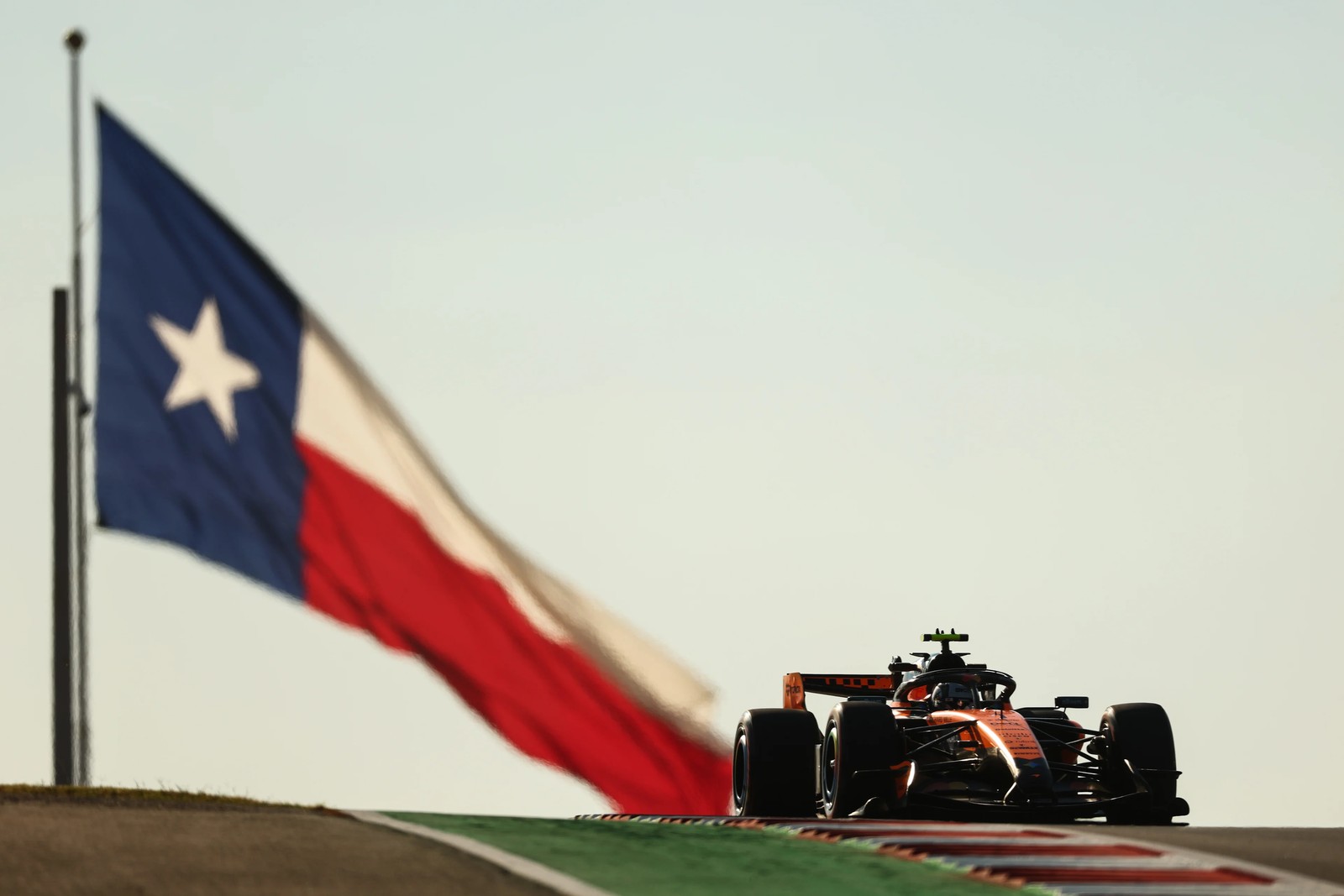
On new parts, Marshall said aerodynamic components around the front and rear wheels, along with diffuser changes, brought measurable benefits, and some parts initially intended for testing also proved effective. He explained that the work involved airflow around the wheels and control of their wake. Those benefits are the team's assessment; the public comments did not specify lap time gained by the new parts alone.
INKA SPORTS analysis: A fast sector does not make a full lap easy
McLaren needs to connect speed in individual sections with a complete lap. Marshall uses the fastest sector to illustrate potential, while Norris describes the execution required to realize it. The team's account of insufficient soft-tire grip and track-limit problems gives the specific setting in which laps went unfinished. The feedback points to usable speed that remains difficult for the drivers to reproduce.
Small adjustments should therefore be judged by more than whether the next run produces another fastest sector. It also matters whether the soft-tire phase provides more consistent feel and fewer interrupted flying laps. The former tests local speed, while the latter better addresses Norris' difficulty. Effective new parts and a hard-to-exploit car can coexist; hardware gains do not automatically remove handling problems across different running conditions.
Conclusion
McLaren's Friday in the United States left a lap with potential that had not been delivered consistently. Norris and Marshall differed in tone about the outlook, but their concerns complement each other: preserve the sector speed already demonstrated while making a whole lap easier to complete. Setup work before qualifying will provide the first test of improved consistency.