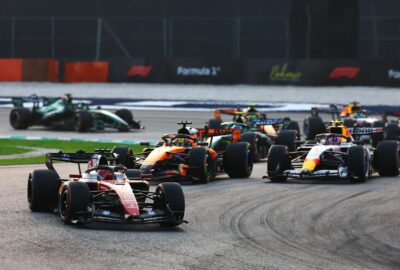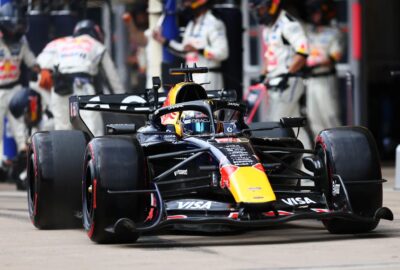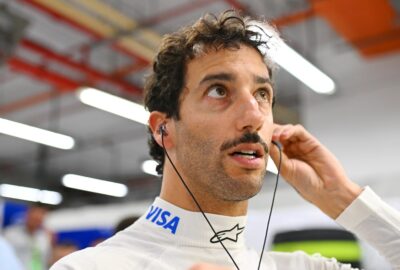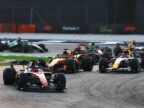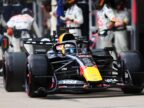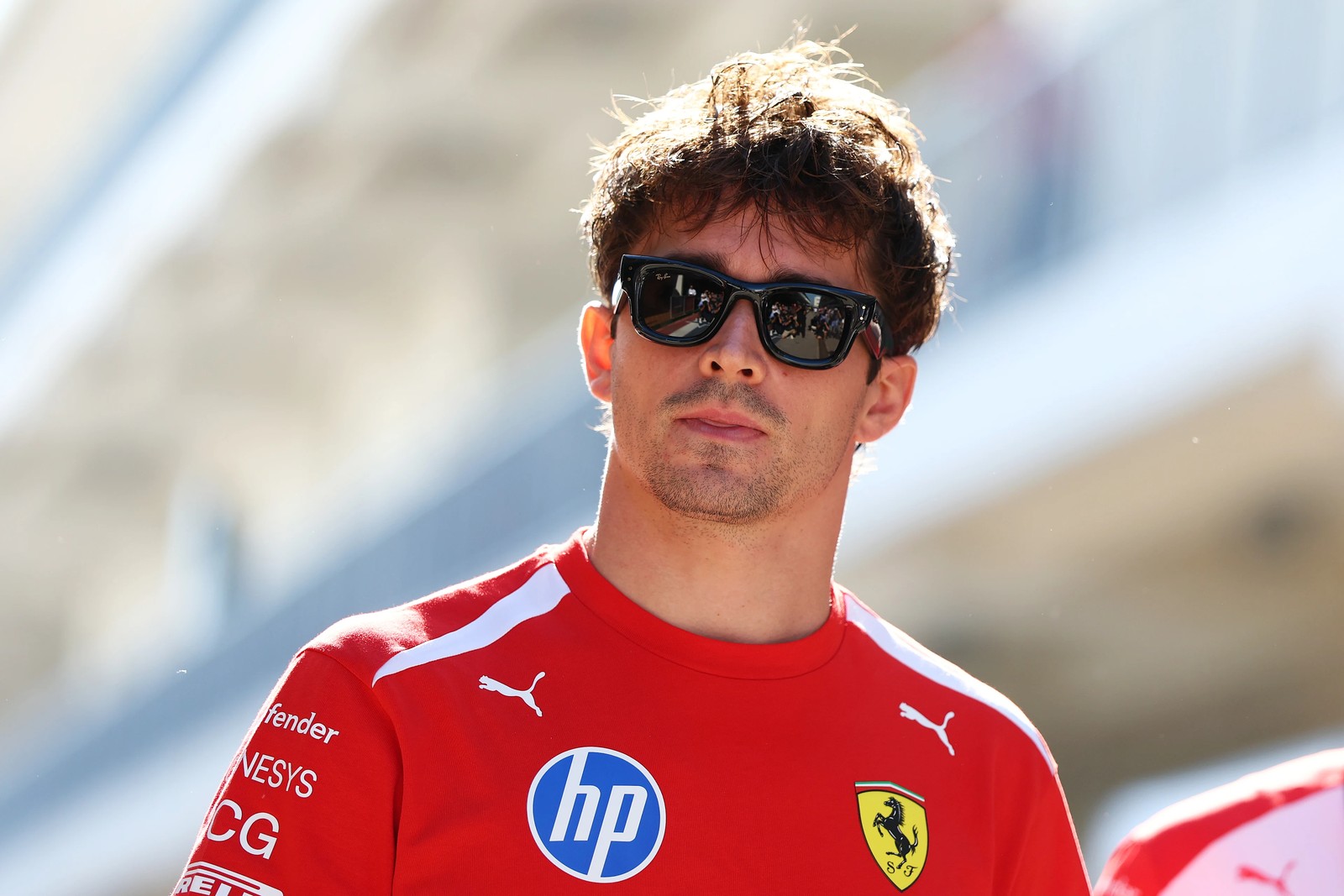
Charles Leclerc remained cautious after setting the fastest time in both practice sessions for the 2026 F1 United States Grand Prix on October 23. He told F1's official interview team that Ferrari had been in the right operating state from the outset and that the upgrade had helped, but warned against interpreting two first places as a huge step forward.
Good balance works first, with help from the new package
Ferrari brought aerodynamic changes to the floor, sidepod inlets and diffuser for Austin. These components affect airflow around and beneath the body, but fitting them still requires the right setup and track conditions to realize their effect. Leclerc said the car felt good and the team saw the changes it expected, though the lap-time benefit differed from outside perceptions.
He linked Friday's performance first to balance: “We were in a good operating window from the start, and that paid off.” The operating window describes a state in which the car allows the driver to perform well in current conditions. He also praised the team's efforts to deliver the upgrade quickly, believing the work had given it some help.
His rivals gave another reason for caution. Leclerc rated Kimi Antonelli and Max Verstappen as very strong. He felt McLaren had yet to put a full lap together, making its true level difficult to judge. His FP1 advantage over Verstappen was 0.084 seconds, while in FP2 he led Antonelli by just 0.042 seconds: neither lead offered a comfortable margin.
Vasseur focuses next on understanding the car and qualifying
Ferrari Team Principal Frédéric Vasseur likewise did not treat Friday's positions as the weekend's conclusion. He said the competition was extremely close and FP1 positions did not necessarily translate into qualifying. Much remained to understand about the new package, requiring continued fine-tuning to extract the car's existing performance.
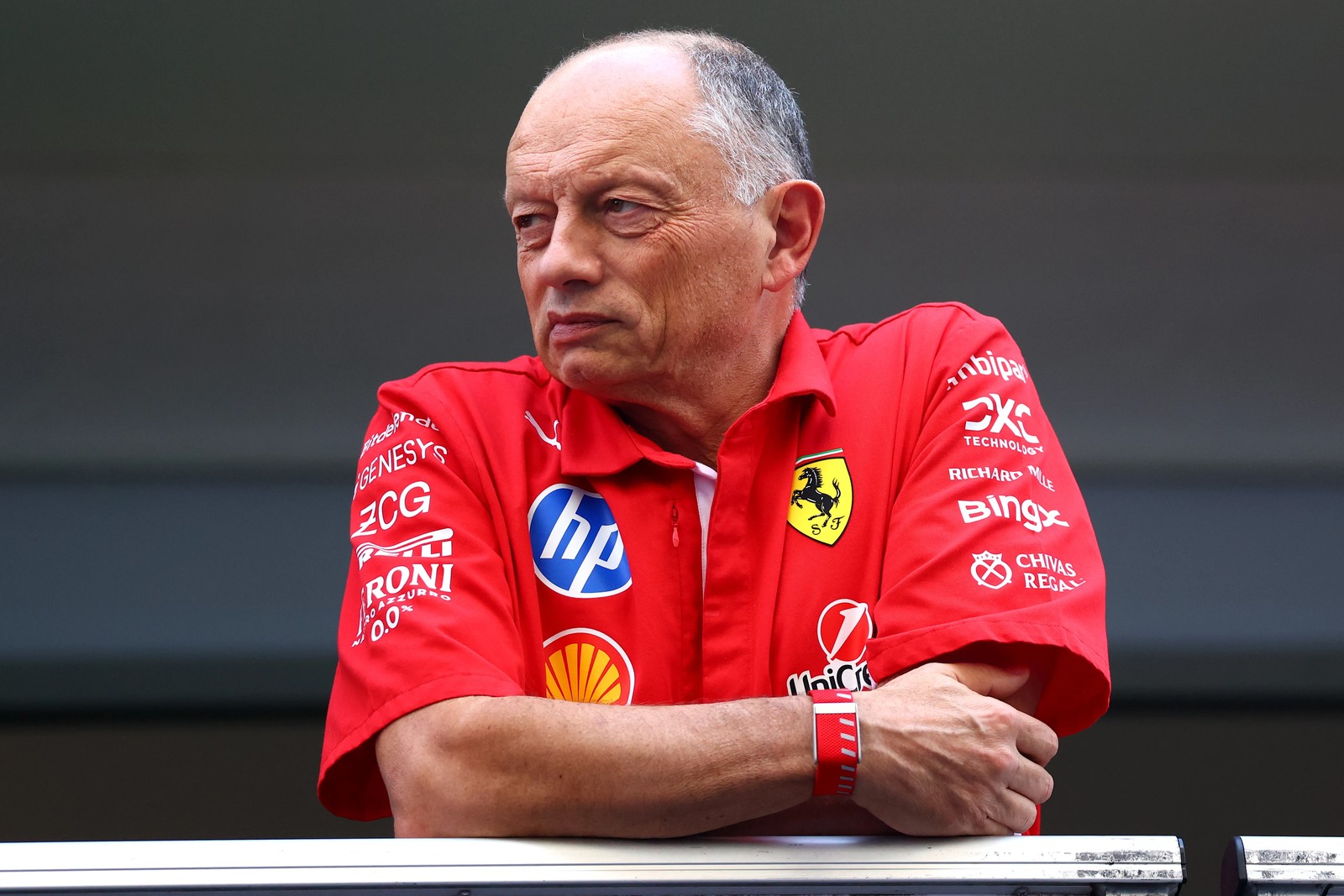
Vasseur also connected qualifying's importance with race conditions: following in another car's disturbed air makes racing harder. He expected five or six cars to fight for pole. Securing a forward grid place was therefore more practical for Ferrari than predicting the outcome from practice leads. That was his competitive assessment, rather than an established qualifying order.
INKA SPORTS analysis: Upgrade gains and using the car well are distinct
Both accounts indicate the same working sequence: new parts create potential, suitable balance helps the driver use it, and lap times are the eventual result. Leclerc emphasized the initial state of the car and Vasseur continued fine-tuning, showing that Ferrari is concerned both with whether the package works and how consistently drivers can access that feeling.
This also explains why leading both sessions does not support excessive expectations. Neither advantage reached a tenth of a second, and Leclerc believed rivals had unfinished flying laps. Practice positions combine car, setup and execution in one result. A more meaningful next comparison is whether Ferrari retains good qualifying balance and converts close pace into a forward position.
Conclusion
Ferrari's positive on Friday was a usable combination of the upgrade and the existing car's condition. Leclerc did not exaggerate the parts' contribution, while Vasseur focused on understanding and refinement. Qualifying will test whether that condition can be maintained; a grid position near the front would give Ferrari a better chance to run its own race.