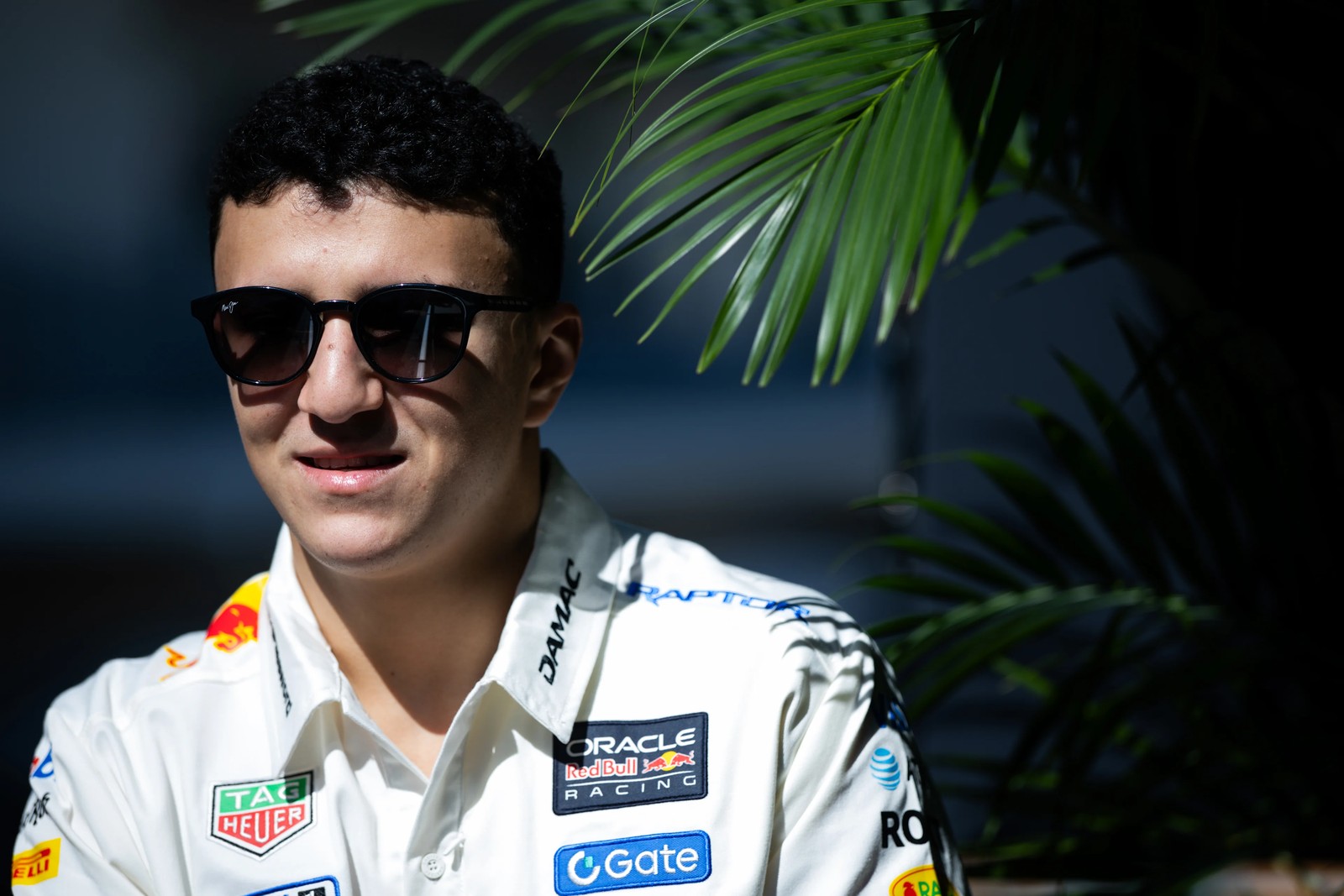
Isack Hadjar finished ninth in second practice for the 2026 F1 United States Grand Prix on October 23, 0.931 seconds behind teammate Max Verstappen. In F1's official interview, he pointed mainly to setup changes between the sessions and soft-tire behavior. Red Bull Technical Director Pierre Waché subsequently acknowledged that the team needed to reverse that setup direction.
Mediums feel reasonable, but front-end feel disappears within a soft-tire lap
Hadjar said FP1 had been reasonable, and even with changes for FP2 the car still felt acceptable on mediums. Once fitted with softs, however, it became very difficult to drive. He wanted first to restore the morning's performance before deciding what to do next. The problem therefore concerned reactions to different tire-and-setup combinations, rather than every phase being equally poor.
He described gaining most of his lap improvement in the first sector, then going slower than on mediums from that sector's end to the finish. He felt front grip fell dramatically and was surprised by such a marked loss within one lap. Front grip affects whether the car can turn along the line its driver intends.
Hadjar felt rapidly rising front-tire temperatures needed attention. He also confirmed that the Red Bulls had different setups, but seeing Verstappen's side complete a flying lap left him confident that the team could adjust. Rather than treating his teammate's speed as a reason to make no changes, he wanted a renewed examination of why the balance made softs so difficult.
Waché accepts the wrong direction and warns against overusing tires in sector one
Waché said the problem concerned the overall setup direction adopted between FP1 and FP2, which the team was working to reverse. He also said the setups were not very different. At the Circuit of the Americas, successive fast corners follow Turn 1 in the opening sector. Overusing the tires there makes the rest of the lap difficult: that was his technical explanation of the layout and current problem.
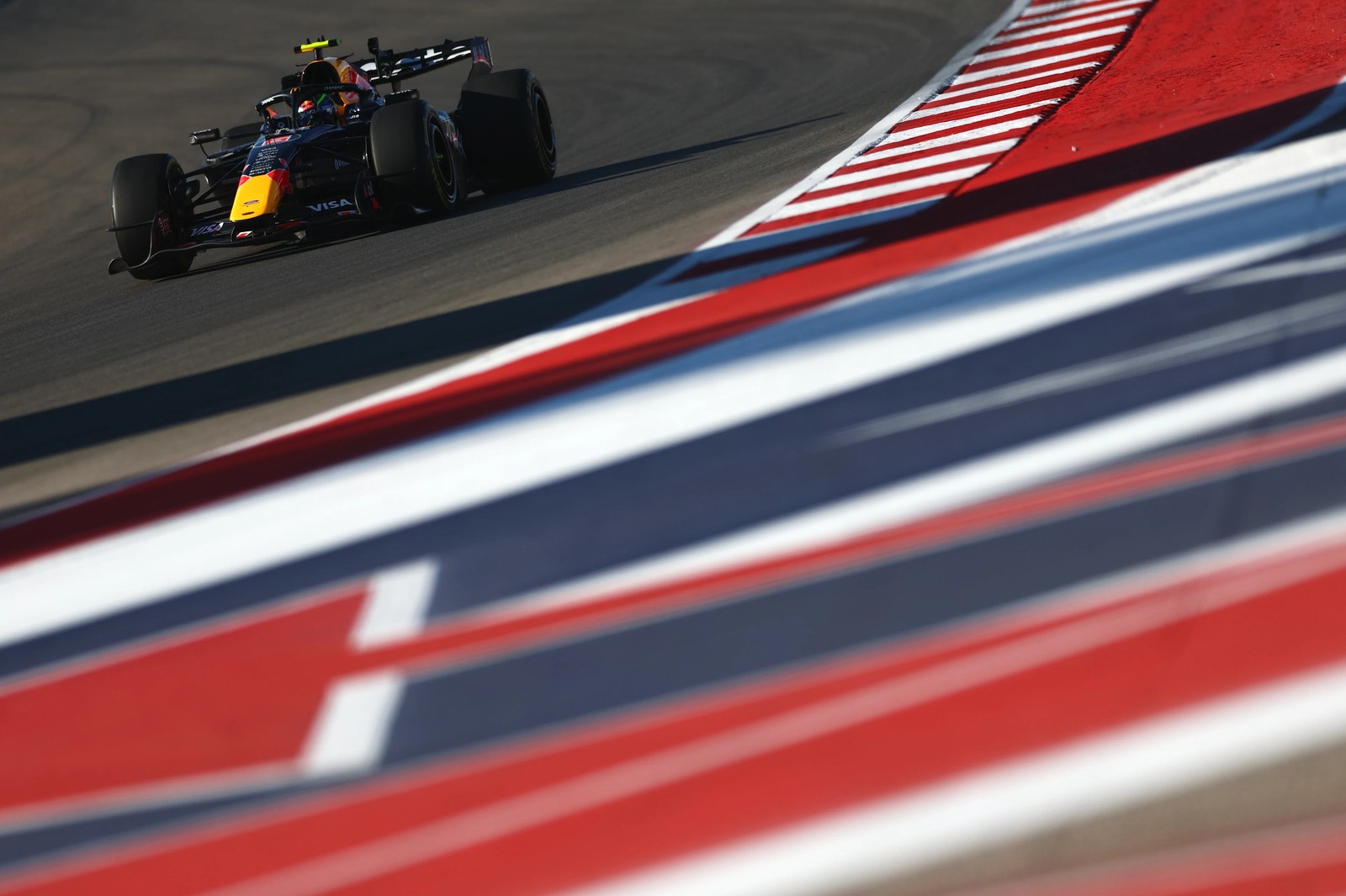
He also discussed the challenge of the circuit's bumps. According to Waché, the car's setup was slightly softer than the previous year's, though not by much, and still struggled to follow the surface changes fully. He identified low-speed performance as a current priority, showing that Red Bull was seeking a better balance between different areas as well as addressing first-sector tire feel.
INKA SPORTS analysis: First-sector gains need to survive the rest of the lap
Hadjar's feedback sets out a clear lap sequence: soft tires brought an improvement in sector one, but the latter part was slower than on mediums. Waché's explanation of tire use through the opening fast corners corresponds to that account. Together, they show that looking only at first-sector improvement misses losses in later corners. A full lap requires preserving the early gains.
Reversing the setup direction also offers a concrete starting point. Reviewing the FP1-to-FP2 changes and the contrast between reasonable mediums and difficult softs is more targeted than simply attributing 0.931 seconds to the drivers. Waché's concerns about bumps and low-speed performance also mean the setup must accommodate other sections, rather than optimize the first sector alone.
Conclusion
The team has identified Hadjar's difficulty with a setup direction that needs reworking, and both driver and technical director have named areas to inspect. Actual improvement should mean retaining sufficient front grip after the opening sector on softs, rather than merely starting faster. Completing the whole lap will determine whether the adjustment addresses his main problem.