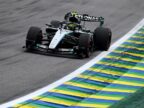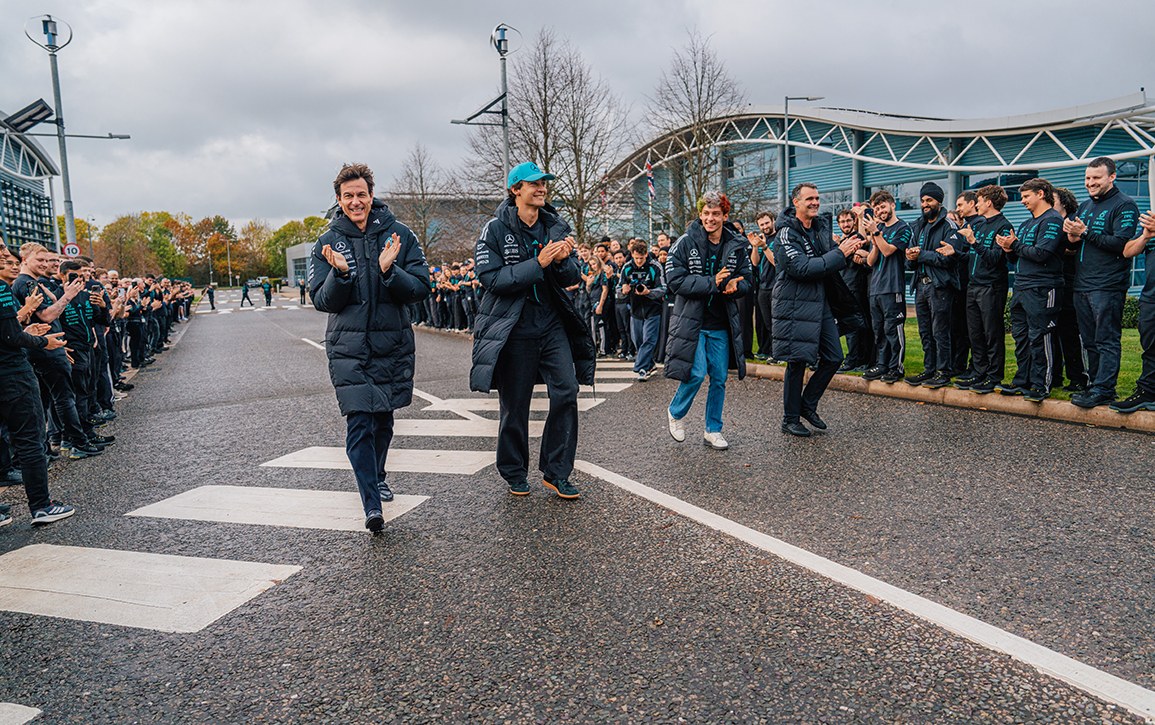
Mercedes technical director James Allison identifies the stretch from initial braking to the apex as a major source of Kimi Antonelli’s speed. Discussing the 2026 Formula 1 champion, he highlighted the driver’s willingness to adjust the differential and brake migration actively, including relatively extreme settings.
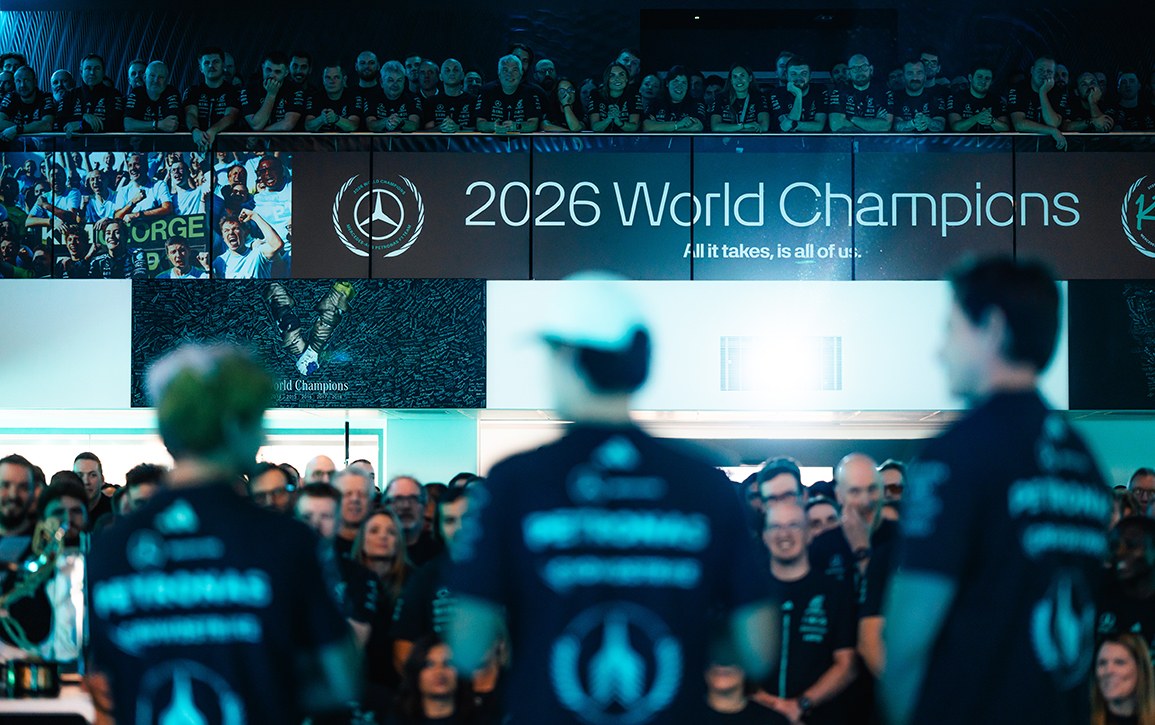
Antonelli clinched the title with third place in Mexico at the age of 20, becoming F1’s youngest world champion. He has won nine Grands Prix this season.
Different responses to understeer and an unsettled car
The differential affects the relationship between the driven wheels’ speeds. Brake migration changes the front-to-rear distribution of braking force through the braking phase. Both influence the car’s response on corner entry and can be adjusted by the driver.
Allison said Antonelli frees the car with the differential and brake migration when it understeers in a way he dislikes, helping it turn. When it feels too lively, he closes the settings down to calm the response. Other drivers also use these tools, but Allison sees Antonelli’s willingness to explore extreme settings on his own initiative as distinctive.
In Allison’s assessment, that approach relies on trusting his control of the car and his ability to point it towards the apex. He attributes a substantial part of Antonelli’s pace this year to braking and entry, describing impressive flexibility across changing conditions.
Long runs and trust in Bonnington
Allison also links corner-entry control to protecting the rear tyres. He cited runs in which Antonelli’s lap times level off around 20 laps in, as others head to the pits, and attributed the consistency to the work he does on entry.
The partnership with race engineer Peter Bonnington also leaves room for engineering decisions. Allison recalled Antonelli saying he trusted Bonnington to do what he thought was right and would try to work with the car he received.