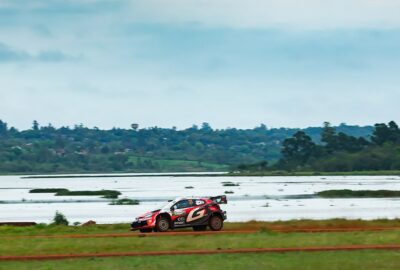
The 2026 WRC drivers’ title will be decided at the Sardinia finale on 1–4 October. Toyota’s three contenders enter the last round with Elfyn Evans leading Sami Pajari by 17 points and Oliver Solberg by 21, while a maximum of 35 points remains available at the event. Solberg arrives in Italy after victory in Chile, but the title battle depends on more than who wins this rally.
Recent form: Solberg has the pace to recover points, but two rivals to beat
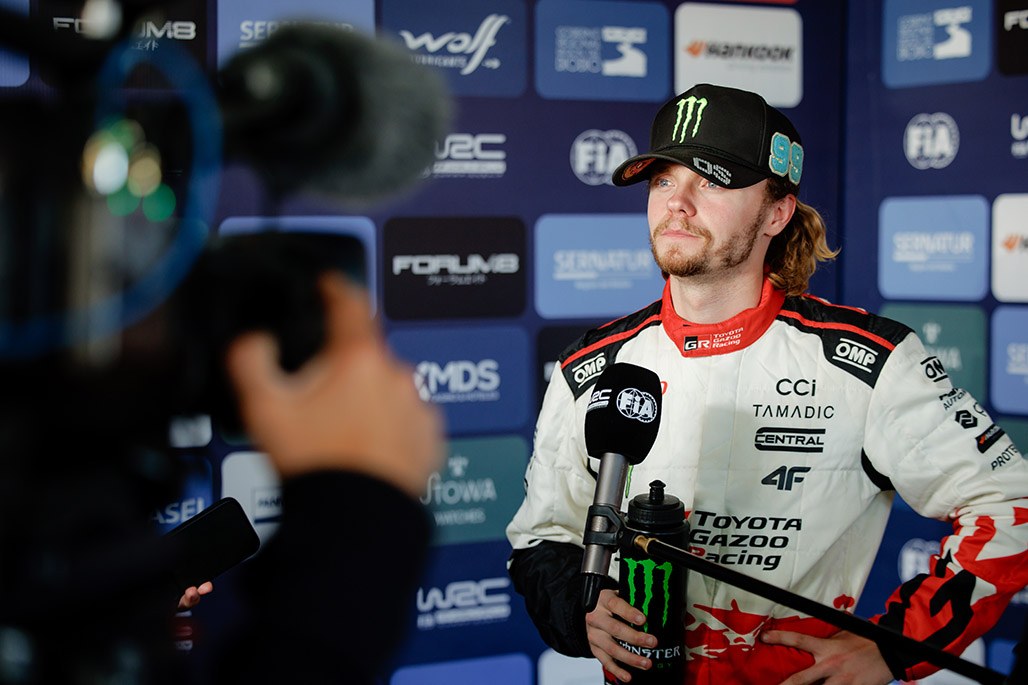
According to official WRC statistics, Solberg has scored 106 points since Greece, compared with Pajari’s 97 and Evans’s 68. In his pre-event interview, Solberg said victory in Chile had restored the crew’s title hopes heading into the final round. Recovering 21 points at one event would be difficult, but they would not give up.
Pajari also has evidence of sustained winning form. He won three consecutive events in Estonia, Finland and Paraguay and remains ahead of Solberg before the start. To become world champion, Solberg must overtake not only leader Evans but also Pajari in the final standings.
Route and scoring: separate points for the overall result, Sunday and the Power Stage
Under the current FIA WRC Sporting Regulations, the overall winner earns 25 points, the fastest driver on Sunday’s cumulative times gains another five, and the Power Stage winner receives five more. WRC’s official title-permutations guide states that 19 points would guarantee Evans the championship regardless of his rivals’ results. For example, 17 points for second overall plus at least two Sunday bonus points would meet that condition. Nineteen is the guaranteed title threshold; with fewer, the outcome depends on his opponents’ scores.
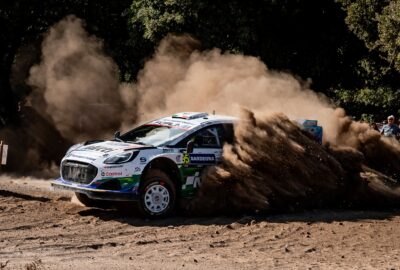
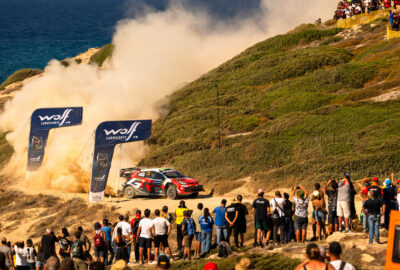
Toyota’s pre-event preview warns that once earlier cars sweep away Sardinia’s surface sand and dirt, rocks and a more abrasive underlying surface are exposed. October weather could also be more changeable than during the usual June date. Evans said running first and clearing loose material was normally difficult here, although rain might lessen the effect. Team principal Jari-Matti Latvala stressed that all three crews would receive equal conditions to compete, while still having to assess tyre and car risks on rocky sections.
Friday and Saturday each feature two loops of three stages, separated by midday service. Sunday comprises two stages run twice, with the second pass through Sassari–Argentiera serving as the Power Stage and a tyre-fitting zone immediately beforehand.
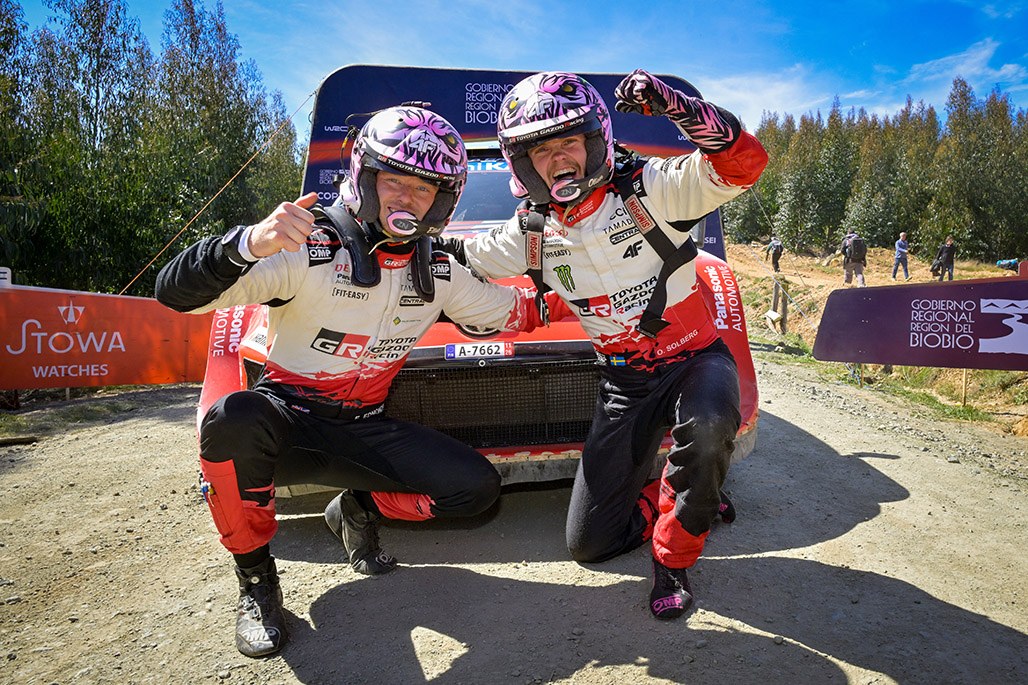
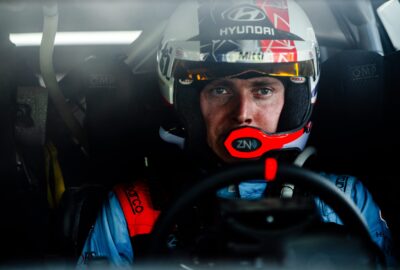
Solberg won the Rally2 category in Sardinia last year, but acknowledges that he particularly lacks experience here in the top-level Rally1 class. He sets out two different demands for the stages: commitment on fast sections and patience in technical sections.
INKA SPORTS analysis: why an all-out points chase still requires completing the final stage
Solberg must catch both team-mates, making Sunday’s ten bonus points particularly important. The Power Stage is scored separately but also contributes to Sunday’s cumulative result and the overall classification. A mistake there could cost more than its stage-specific bonus points by altering the other two rankings as well. Article 50.4 of the FIA regulations also requires a driver to appear in the rally’s final classification to qualify for Power Stage points. Bringing the car to the finish is a prerequisite for retaining those scoring opportunities.
Starting early on a dry road has two sides. Evans must sweep away loose material, potentially giving his pursuers a cleaner line. Yet once earlier cars clear the sand and dirt, the rocks and tyre-wearing base described by Toyota are exposed. Later starters must exploit the changing surface to gain time without allowing tyre or car damage to erase that opportunity. If rain reduces the sweeping disadvantage Evans describes, his pursuers will need to adjust their level of attack to the actual conditions.
Completing three consecutive stages before midday service also gives practical meaning to Solberg’s approach of commitment on fast roads and patience on technical ones. The crew must allocate tyre capacity across the whole loop rather than sacrifice competitiveness later for time gained on one stage. There is no subsequent round at which to recover losses, and Pajari is also fighting for points. Solberg must seek a larger relative gain while preserving his ability to sustain the entire rally.
Conclusion
Solberg’s aim is to turn recent speed into a points advantage over both team-mates. That requires using favourable road conditions to gain time while preserving tyres and car condition to keep competing for Sunday’s and the final stage’s points. Evans has the clear target of 19 points to secure the title independently of his rivals. Their different championship positions mean the same rocky section or tyre decision carries different risks.