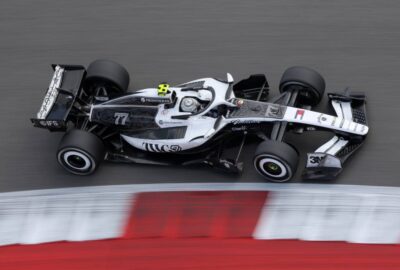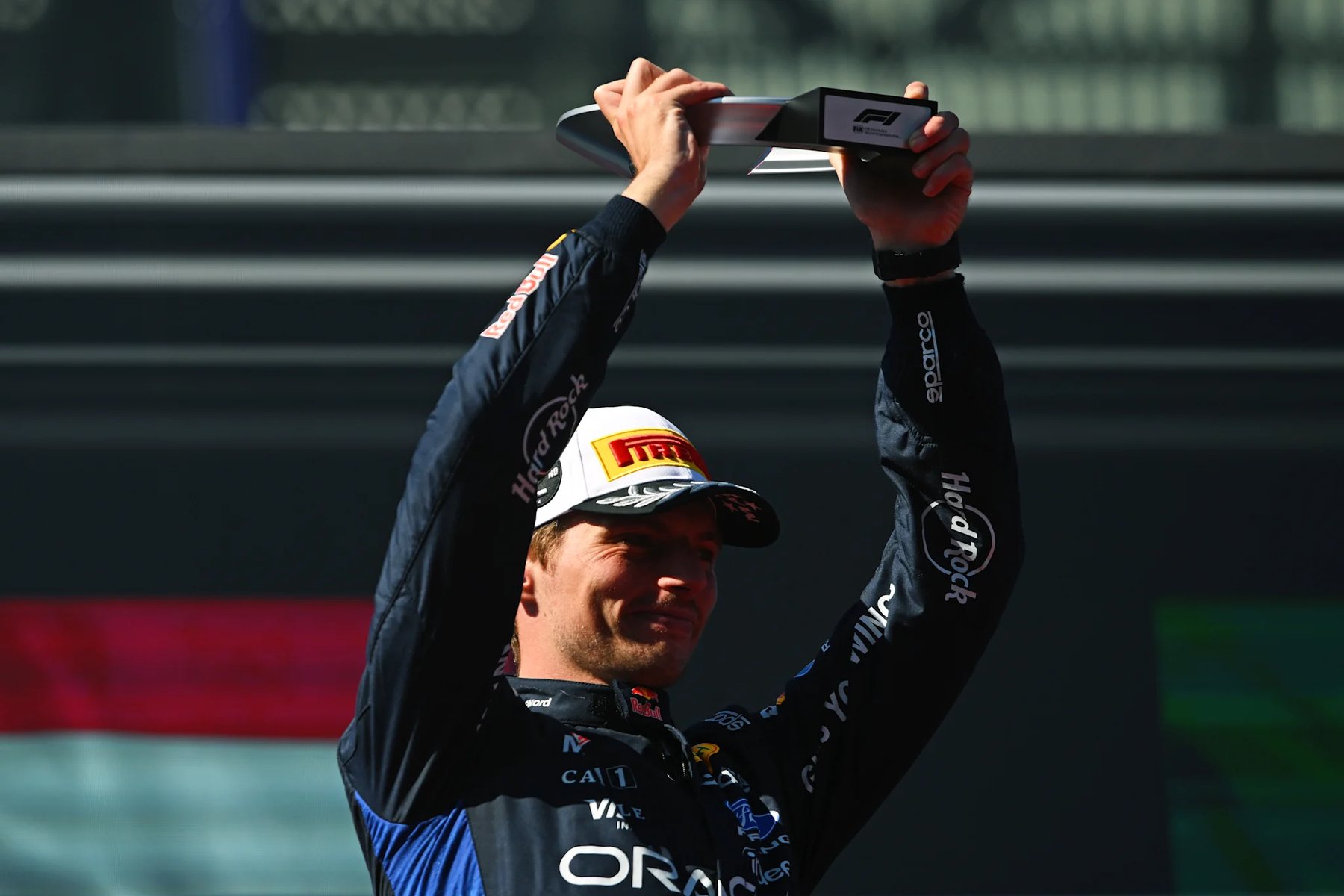
Monaco will host an F1 Sprint for the first time in 2027, but Max Verstappen was unenthusiastic. Speaking on Azerbaijan Grand Prix media day, he said he did not like Sprints regardless of the circuit and remained primarily focused on the Grand Prix itself. F1 and the FIA announced the 2027 calendar on 16 September, with 10 Sprint weekends among 24 Grands Prix, four more than in 2026.
Drivers focus on the racing and the rhythm of preparation
According to Motorsport.com, Verstappen understood that adding Sprints brought more competitive activity to a weekend and would take part while seeking the best possible result. But winning a Sprint did not give him the same feeling as a Grand Prix victory. On Monaco, he felt spectators would anticipate the start but then see little overtaking, matching his assessment of the main race there.
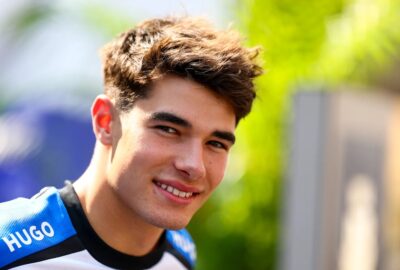
Racing Bulls driver Arvid Lindblad focused on preparation. He felt Sprint weekends made it difficult to build progressively towards the qualifying limit at an ideal pace, requiring drivers to leave their comfort zone earlier. He also suggested drivers around 15th might take fewer risks, while leading teams would still have to push fully.
Two qualifying sessions, one Free Practice
F1’s explanation of the 2027 Sprint format, published the same day, specified Sprint Qualifying on Friday, then the Sprint followed by Grand Prix qualifying on Saturday. The Sprint covers approximately 100 kilometres and awards the top eight 8 to 1 points. The Grand Prix retains its own qualifying and race. Compared with three one-hour practice sessions on a conventional weekend, a Sprint weekend has only one 60-minute session, reducing preparation time by 120 minutes.
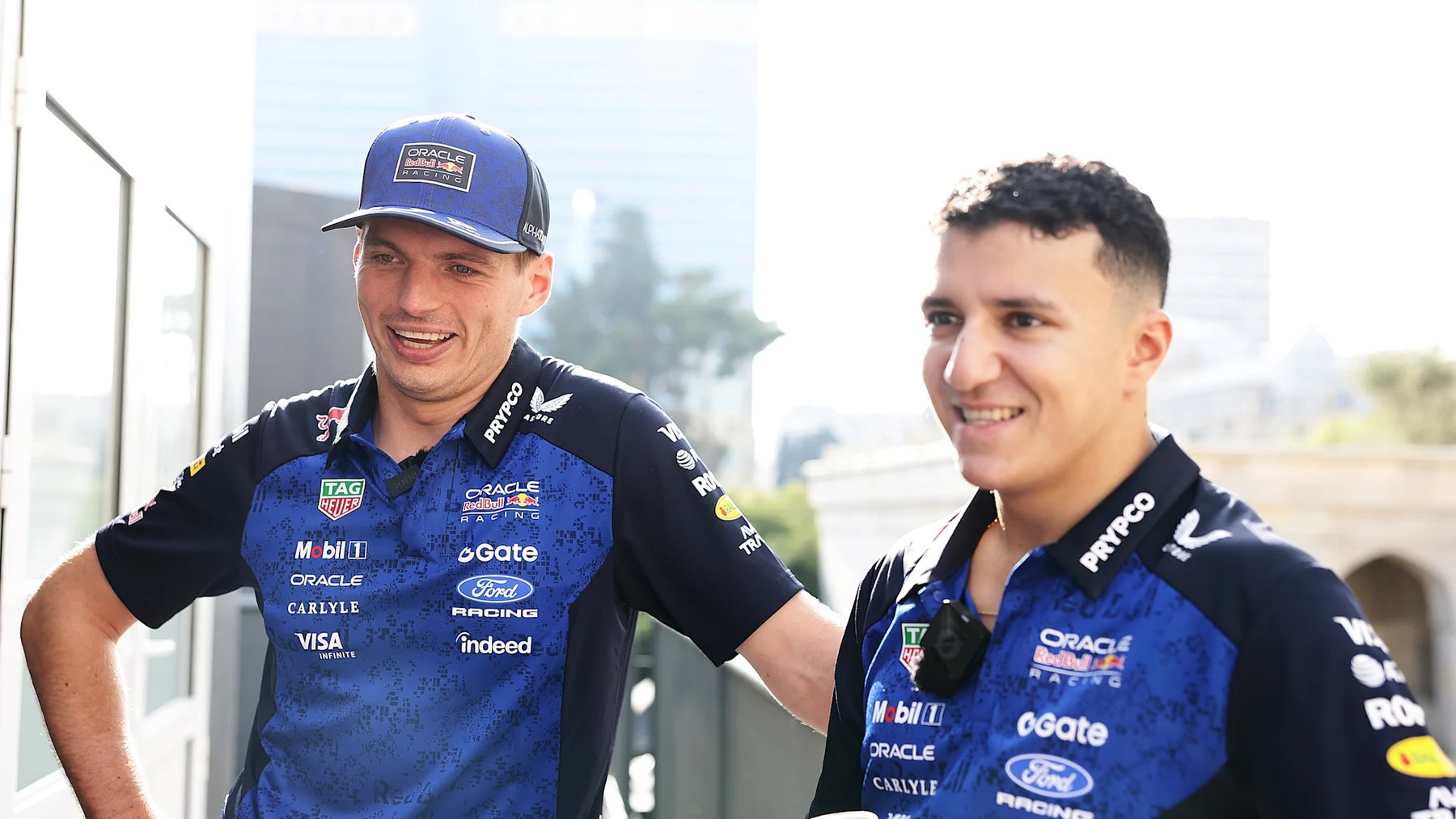
The official explanation presented Monaco’s two qualifying sessions as an additional attraction, with drivers twice demonstrating single-lap speed and precision on the narrow streets. Lindblad preferred Baku, a street circuit where he felt overtaking was possible and better matched the idea of all-out Sprint competition. Baku, however, was not on the announced 2027 Sprint list.
INKA SPORTS analysis: connecting qualifying spectacle with points opportunities
The first change brought by Monaco’s new Sprint is an earlier qualifying contest. Two qualifying sessions provide more opportunities to watch single-lap competition, while reducing three practice sessions to one forces drivers to approach the limit beside the barriers earlier. Lindblad’s concern about insufficient progressive preparation corresponds directly to that time change. Verstappen’s focus is whether positions can be contested after the start. Qualifying’s appeal and overtaking opportunities in a short race affect different parts of the weekend.
Points for only the top eight also help explain Lindblad’s comments on risk. A driver around 15th who gains one grid place must still finish in the top eight of the short race to score. Under the overtaking constraints he was concerned about, that differs from the situation of drivers already near the top eight and fighting for an immediate points opportunity. Distance from the points positions therefore provides a concrete reference for understanding willingness to take qualifying risks, giving the leaders and the midfield or rear of the grid different considerations.
Summary
The 2027 Monaco Sprint weekend is confirmed to add a qualifying session and a short race. Drivers differ over what those competitive sessions can deliver. Whether two qualifying sessions sustain Monaco’s single-lap spectacle, how reduced practice affects preparation and how many scoring opportunities the Sprint offers further back are the specific questions for judging the format’s suitability for the circuit. The actual effects must await the event.