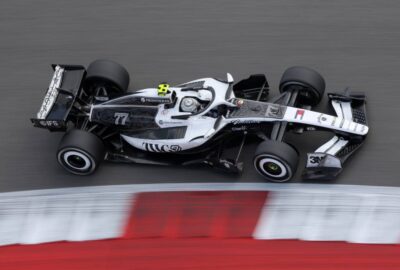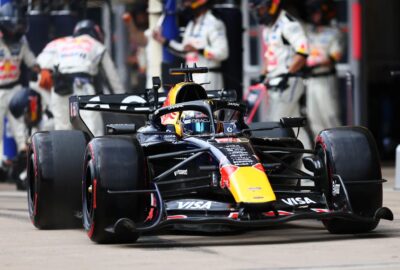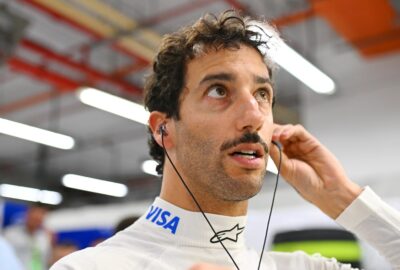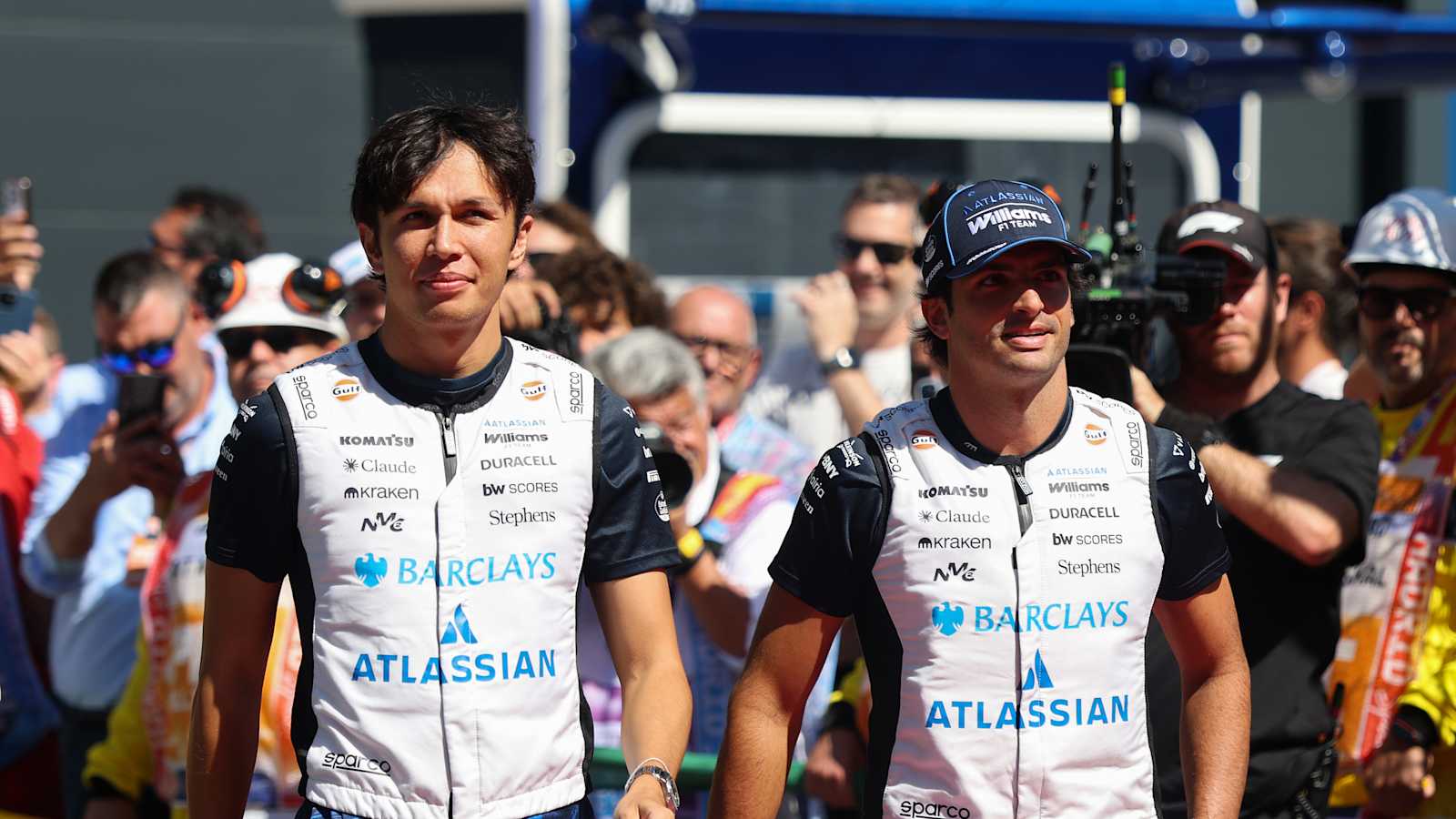
Williams brought a long-awaited major upgrade for the FW48 to the 2026 F1 Azerbaijan Grand Prix. Before the event, on 23 September, Carlos Sainz and Alexander Albon both focused on track validation: how much the lighter chassis and new aerodynamic package would improve the car, and whether that improvement would bring it closer to midfield rivals, were separate questions to answer.
More certainty on weight reduction; aerodynamic performance awaits track checks
According to F1, the upgrade includes a revised, lighter chassis and new aerodynamic components, parts that alter the effects of airflow around the car. Albon called it the first real upgrade of the season and praised the factory’s work to change the chassis during the year.
At the FIA press conference, Albon expressed greater confidence in the lap-time benefit of reducing weight but reserved judgment on the aerodynamic changes until they had been tested on track. He explained that the team knew what the package should produce on paper and in the simulator, but had previously encountered differences between simulation and reality. The new parts also aimed to improve balance: the relationship between the front and rear of the car as it responds through corners.
Madrid’s gap and Baku’s suitability need their own context
Using the previous Madrid round as an example, Sainz said Williams had been around 1.5s behind the leading midfield car, and he did not expect this upgrade to close such a large gap. In the team’s announcement, he stressed that the current task was to understand how the package worked and apply those lessons across the rest of the season. The approximately 1.5s figure described the Madrid deficit, not a measured gain from the Baku upgrade.
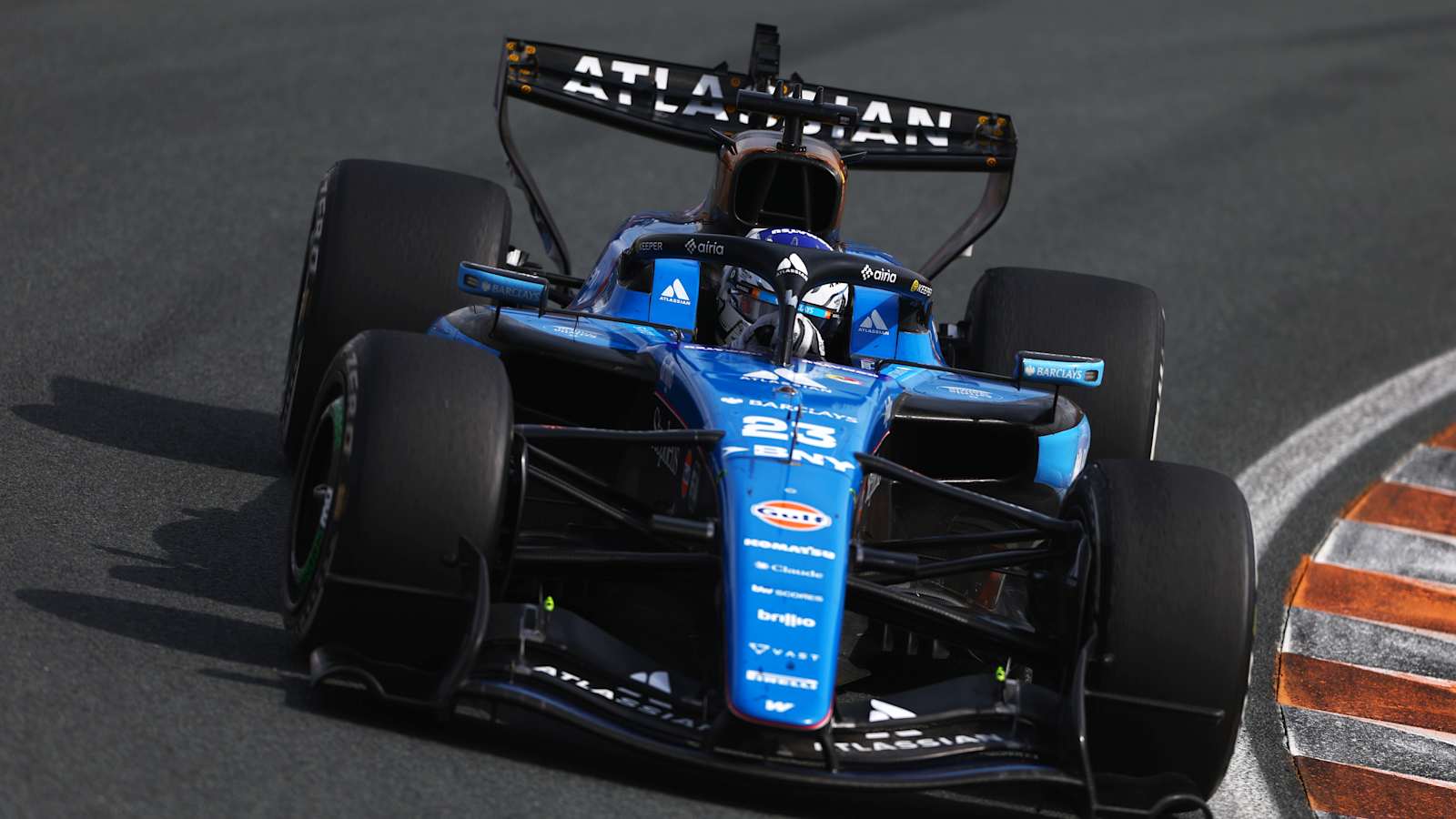
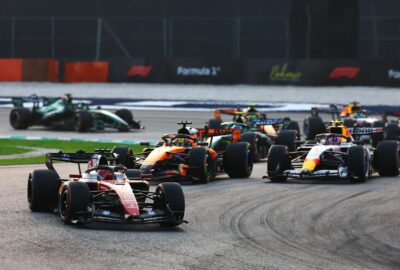
Albon also noted that midfield rivals had been developing rapidly throughout the year, so a faster FW48 compared with its previous specification might not immediately transform the competitive order. On the other hand, he told the FIA press conference that the car already suited short and 90-degree corners better than sustained turns, making Baku’s characteristics relatively favourable. Sainz took third here for Williams last year, but this year brings a different car and different opposition.
INKA SPORTS analysis: how to judge whether an upgrade is a genuine step forward
INKA’s assessment is that Albon’s confidence in weight reduction and caution on aerodynamic validation concern two distinct checks. An expected weight benefit cannot by itself prove that the new airflow effects and balance changes work as designed. If feedback from the real car matches the simulation targets, the team also gains confirmation of its future development direction. That is another reason for Sainz’s emphasis on understanding how the new parts respond.
Relative competitiveness also requires considering two changes. Baku’s short corners already suit the FW48, so an improvement over Madrid may partly reflect the circuit. Meanwhile, continued progress by midfield rivals means Williams’s own gains may not all translate into better positions. Whether the upgrade meets expectations and whether it catches the opposition at the same point in time need separate tests. A single race position can miss one of those layers.
Summary
The first task for the Baku package is to show that weight reduction and aerodynamic changes deliver the expected improvement in real running and help establish a dependable development direction. Consistently joining the midfield fight also depends on suitability for different circuits and rivals’ progress. Both drivers’ stated aim was to understand how the new parts work, then turn improvement into racing opportunities.