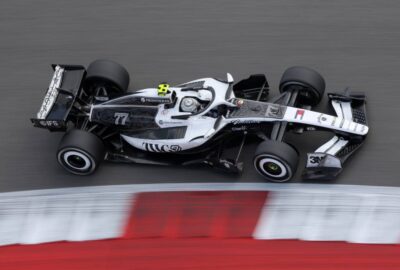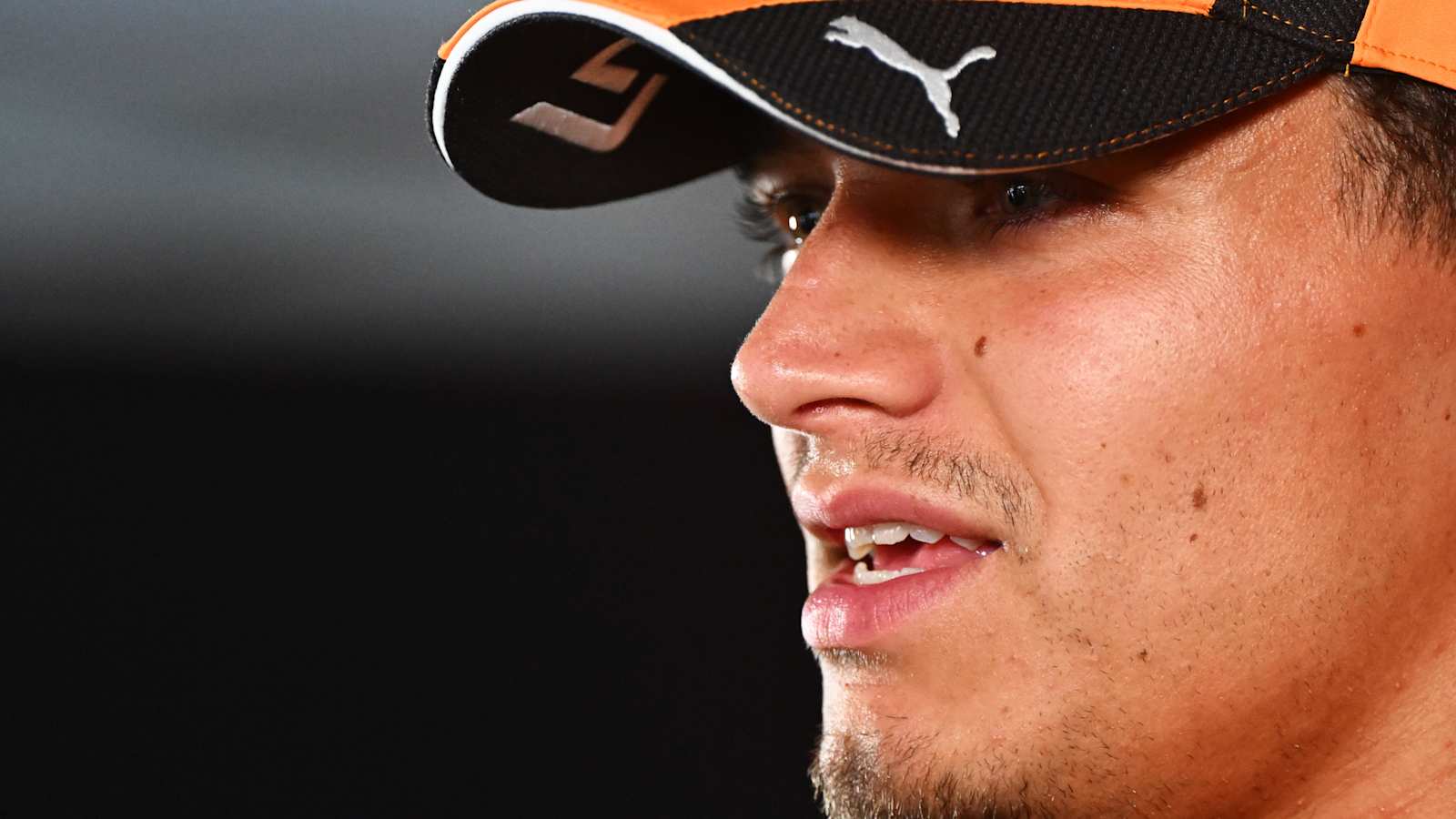
Lando Norris arrived at the 2026 F1 Azerbaijan Grand Prix with two wins in four races, yet still regarded Baku as the round he was least looking forward to on the recent schedule. Speaking to F1 on media day, 23 September, he praised McLaren’s recent pace and his own consistency but worried that the circuit lacked the corners that suited the car. His target for the race remained victory.
Recent progress comes from both car and driver
Norris felt McLaren might have had the fastest car over the previous three rounds. That assessment was consistent with two Grand Prix wins in the last four races, but he did not describe his own performance as a sudden major leap from the previous season. In his view, several performances in the second half of last year had already matched his level this year.
He was more specific about consistency: he was doing some things better and extracting more from a car that could be difficult to drive. Compared with the same point last year, he felt more relaxed and more confident in his ability, which he believed could sometimes help. These were Norris’s assessments of his own development.
Baku demands a balance between winding streets and long straights
Norris felt Baku lacked the medium- and high-speed corners that suited McLaren, potentially creating adaptation difficulties similar to Monaco. He recalled the team’s poor performance in Monaco and a difficult Baku weekend the previous year, explaining his cautious outlook.
F1’s official circuit guide provides specific context for that concern. A lap of Baku combines the long main straight along the waterfront with the narrow, winding old town. The car needs downforce, the force from airflow pressing it towards the ground, to negotiate successive corners, while the long straight calls for minimal aerodynamic drag. The team must choose a suitable setup balance between those demands.
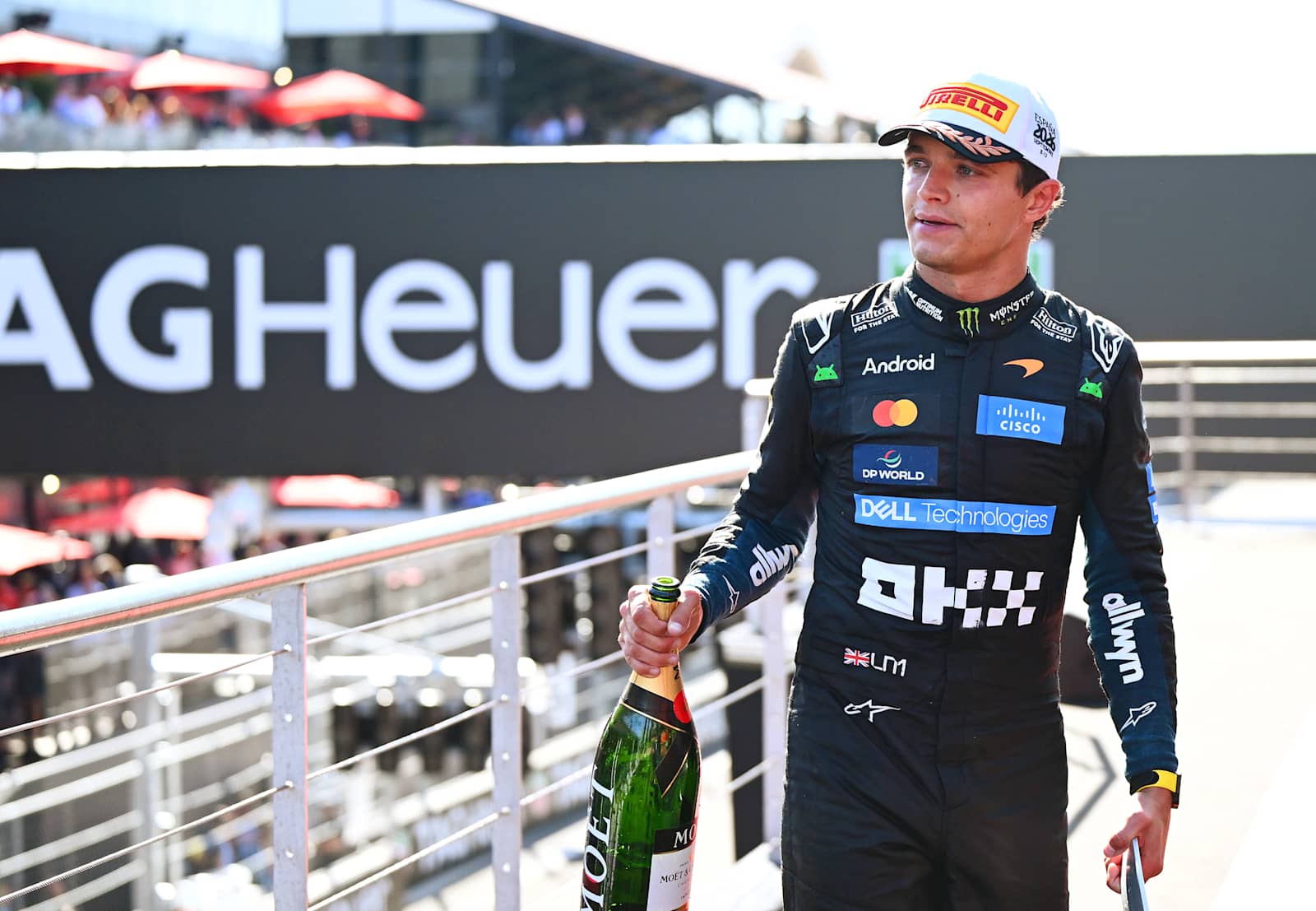
Chasing a race win and recovering championship points are different goals
At the time of the interview, Norris trailed championship leader Kimi Antonelli by 106 points with nine Grands Prix remaining. He played down his drivers’ title prospects without abandoning his bid to win in Baku. His focus remained on working with the team to extract as much as possible from the current car.
INKA SPORTS analysis: why recent pace still needs to be tested in Baku
INKA’s assessment is that Norris’s caution does not conflict with his recent results. Strengths previously exploited in medium- and high-speed corners may have fewer opportunities to count in Baku. At the same time, the downforce needed through the winding sections must be balanced against drag on the long straight. McLaren needs a setup suited to this combination; an assessment of its pace over the previous three rounds cannot directly answer that question.
Driver consistency affects another layer: whether the performance already available in the car can be reproduced. If Norris continues to handle the car more effectively in Baku, he can get closer to the limit offered by the setup. How competitive that setup is against rivals still depends on the car’s suitability for this event. Separating driver execution from car suitability helps interpret the pace differences that emerge in practice.
Summary
Norris’s pre-race message was one of conditional confidence. Both car and driver had improved recently, but Baku posed a new trade-off between corners and straights. The next test is whether McLaren can balance those demands under comparable running conditions and whether Norris can deliver consistently. His two recent wins alone do not determine this round’s competitive order.