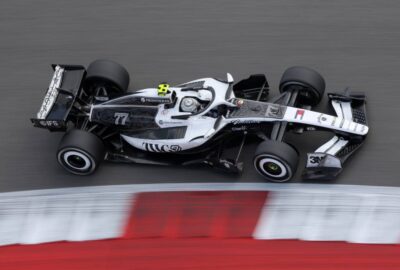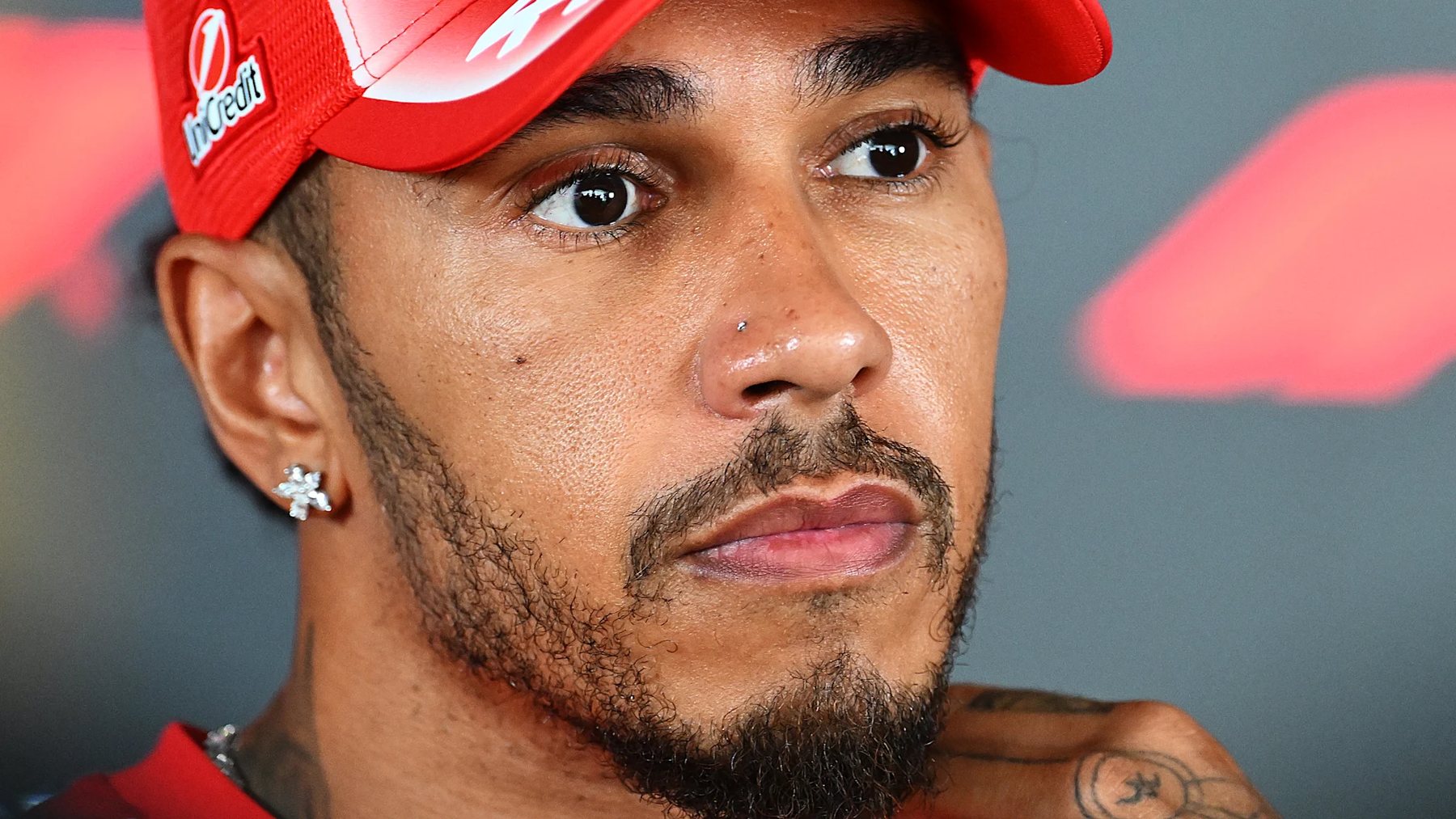
Lewis Hamilton discussed Ferrari’s season objectives ahead of the F1 Azerbaijan Grand Prix on 23 September. According to F1, he told media in Baku that he wanted the team to reduce weekend execution problems and extract as much as possible from its current car. Before Baku, he was third in the drivers’ standings, 101 points behind leader Kimi Antonelli and only 5 ahead of fourth-placed Lando Norris.
Two simultaneous contests: top three for the driver, second for the team
Hamilton took his first Ferrari victory in Barcelona, but the team had not returned to the podium since Belgium. He felt recent races still contained positives, with execution and final results falling short. The team needed to retain its progress and improve its weaknesses. He also praised Ferrari’s upgrade work this season and remained hopeful about the Baku weekend.
For the end of the season, Hamilton’s first wish was for Ferrari to retain second in the constructors’ standings and try to close on Mercedes. F1’s pre-race figures put Mercedes on 503 points and Ferrari on 358, a gap of 145. Personally, he also wanted to compete with George Russell, considering a final top-three finish, or even second, a result worth recognising.
Team-mate Charles Leclerc added context on the changing competition at the same day’s FIA press conference. Several rounds had passed since the summer break, making it difficult to attribute the decline entirely to circuit differences. He felt McLaren had made significant progress and was now closer to Ferrari, while Mercedes remained the benchmark to beat. Ferrari therefore had to chase ahead while responding to pressure from behind.
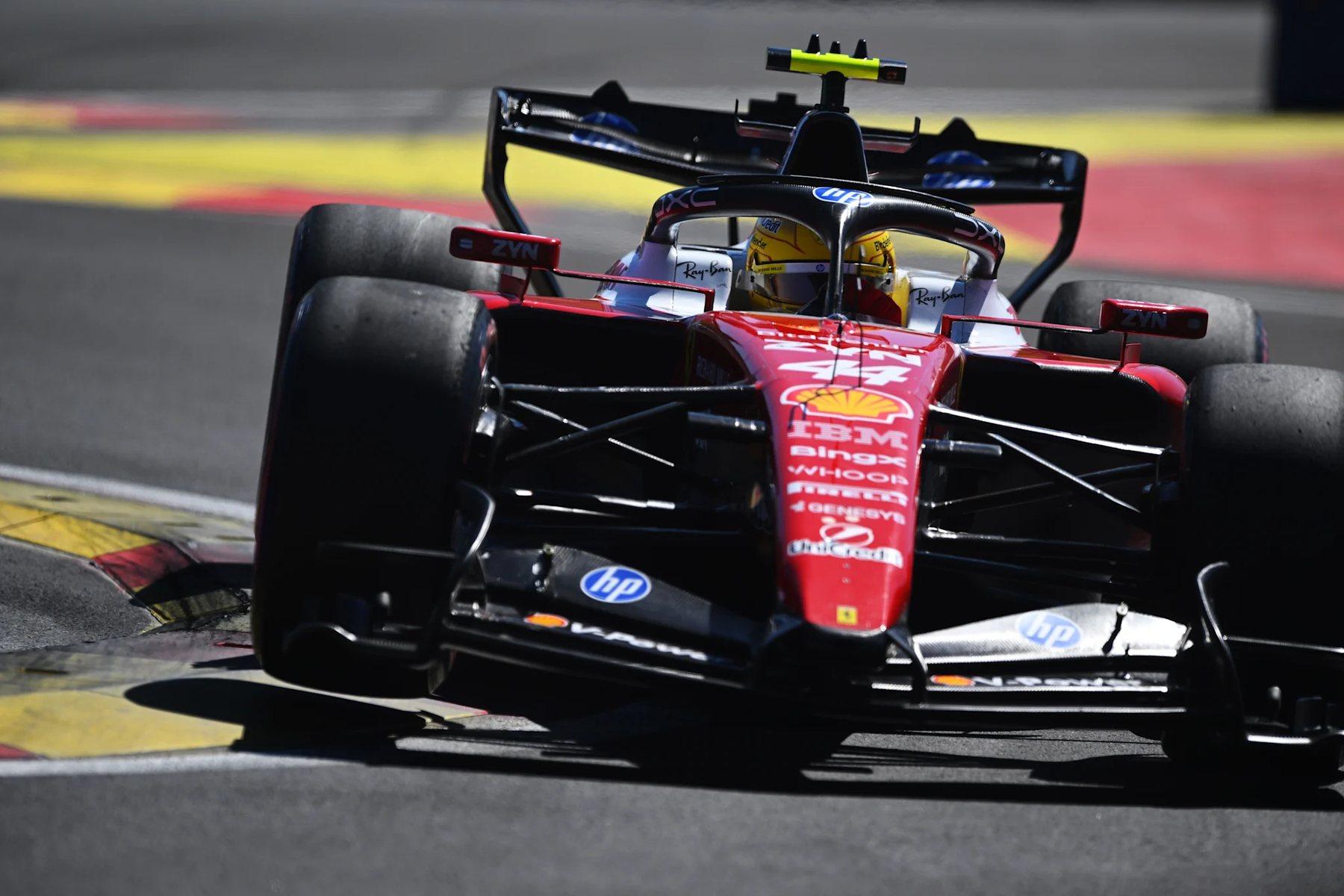
Leclerc focuses Baku preparation on qualifying and the power unit
Leclerc had taken pole four times in Baku without winning the Grand Prix. He said this year’s car was particularly difficult to extract performance from in qualifying. Optimising use of the power unit, the car’s propulsion system, could also create substantial differences between weekends, so that aspect needed attention first. The upgraded power unit was again among the team’s available options, but the specific deployment plan remained a strategic matter. At that point, he had not confirmed a choice that would incur a grid penalty.
INKA SPORTS analysis: protect positions while restoring the conditions for big points
The two points gaps facing Hamilton explain why he first spoke about a complete weekend. Catching the leader requires sustained reductions in a large deficit, while Norris is already close to his third place. Better execution serves both contests. Ferrari faces a similar situation in the constructors’ standings: McLaren’s progress increases pressure to defend, while closing on Mercedes requires consistently stronger results. A single standout performance is unlikely to resolve both tasks.
The drivers’ feedback also identifies different areas for improvement. Leclerc wants the car to secure a better starting position in qualifying; Hamilton wants the positives already present during a weekend to carry through to the result. Qualifying further back makes the pursuit of big points harder from the start. Qualifying well but losing the race result does not improve the points situation either. Connecting those stages is the common direction of their requests.
Summary
Ferrari’s Baku ambitions still include competing at the front, but recent developments have made consistent scoring more urgent. The key questions are whether qualifying performance improves and whether both drivers can convert that improvement into race results. Those two advances would affect both Hamilton’s top-three position and Ferrari’s second place in the constructors’ standings.