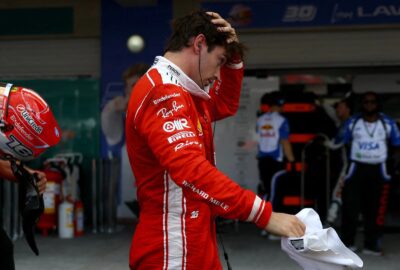
Ferrari Team Principal Fred Vasseur has framed the opening-lap dispute in Mexico as a matter of respect for the team. In an interview published by Formula1.com, he stressed that the drivers work not only for themselves but for sponsors and roughly 2,000 people involved in the project. The circuit layout, he said, could not excuse the incident.
A one-two opening that did not become a victory
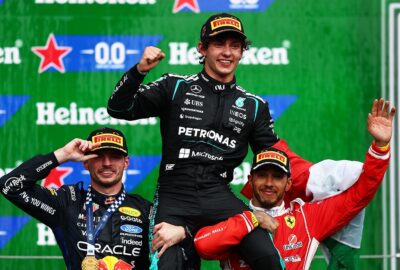
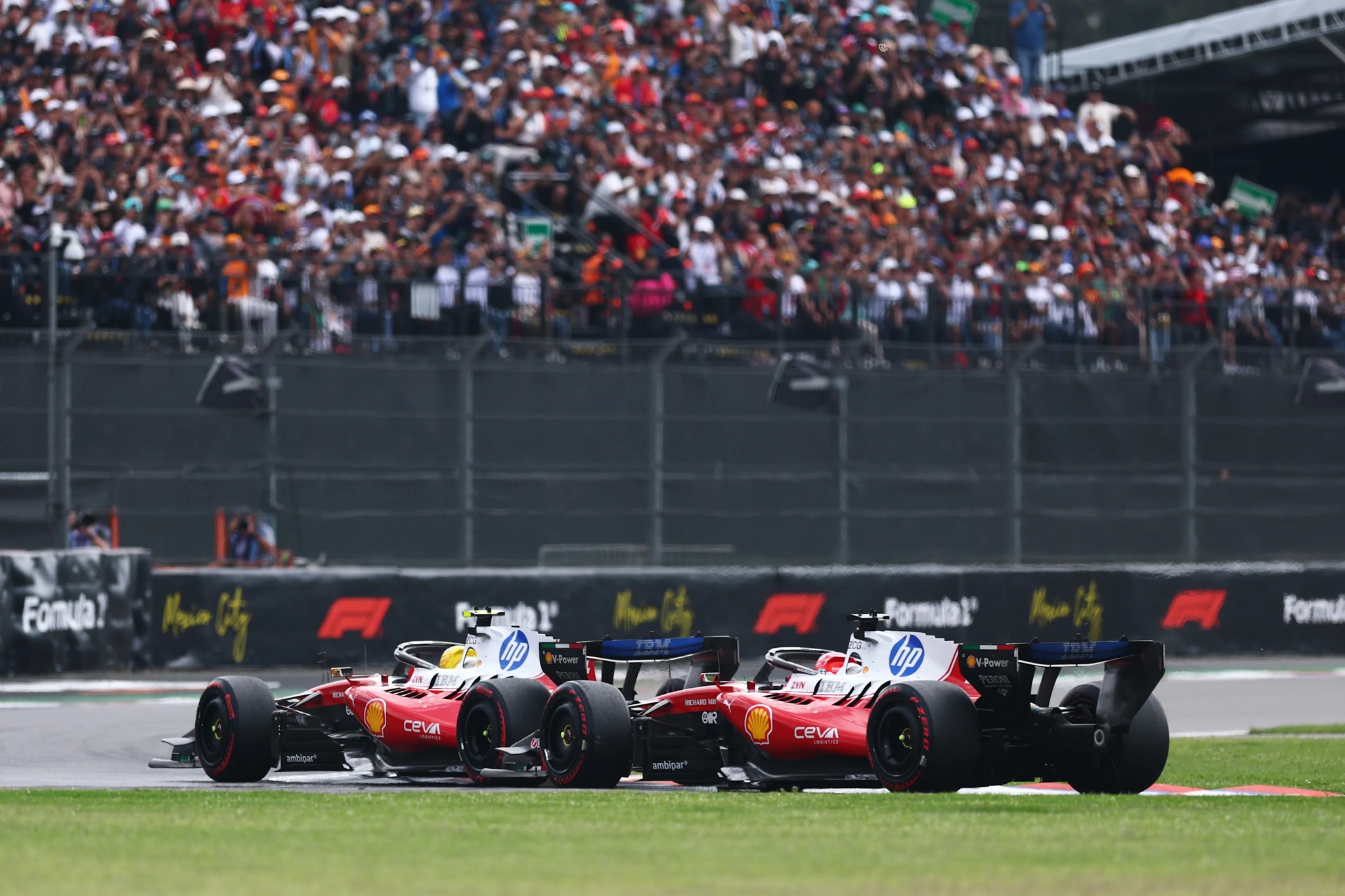
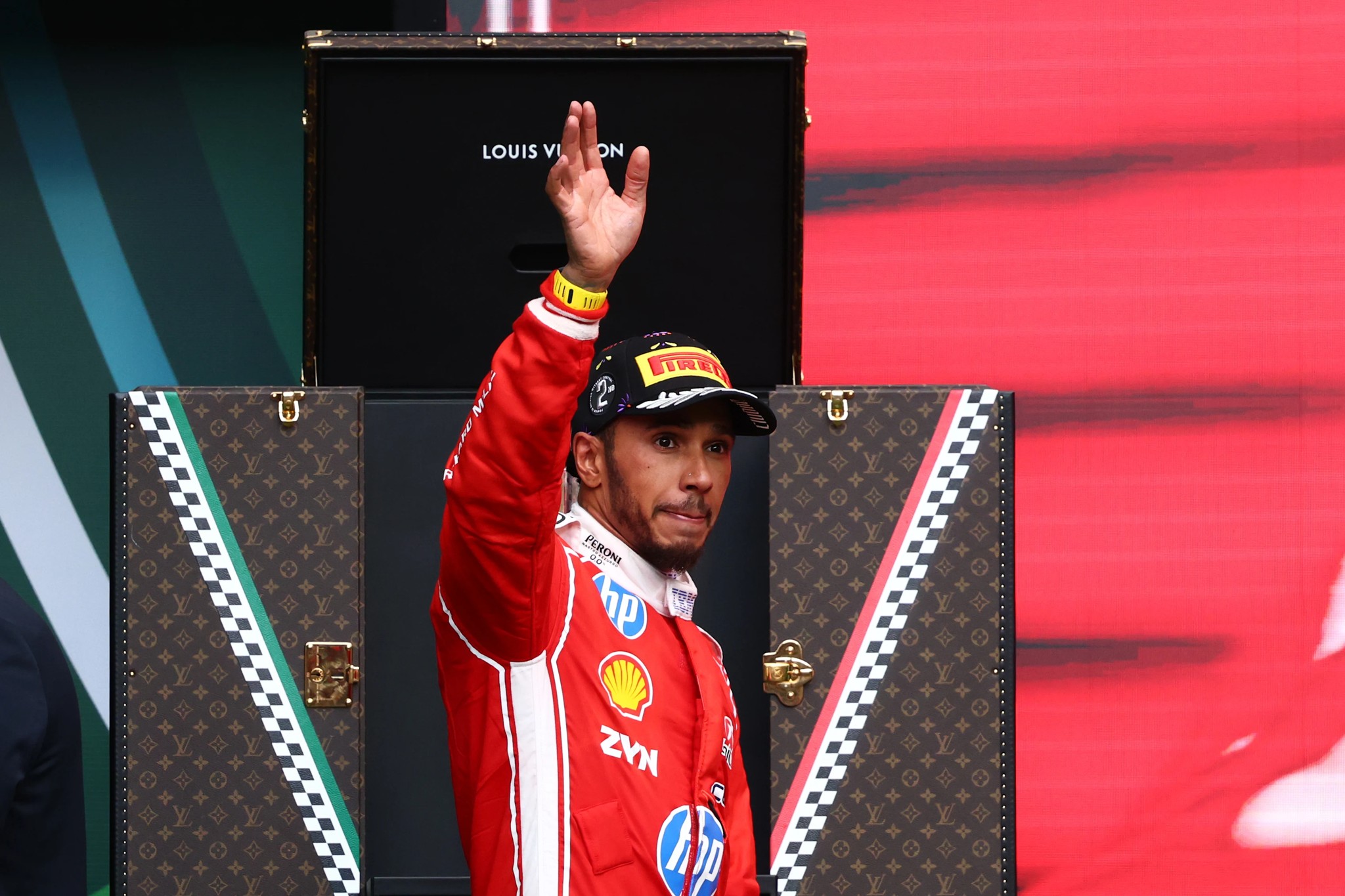
Lewis Hamilton retained the lead from pole while Charles Leclerc passed George Russell from third on the grid, briefly giving Ferrari the first two positions. Both Ferraris then went off while fighting at Turn 4. Leclerc crossed the grass to take the lead, while Hamilton lost momentum and was passed by Max Verstappen.
Hamilton ultimately finished second and Leclerc fourth, with Verstappen winning. Vasseur felt Ferrari’s recent performance gains and pace in Mexico offered the opportunity for more, making the outcome more frustrating. His belief that the car could deliver a one-two is an assessment of its potential, rather than proof of an alternative result.
Returning a position with delayed information
On the failure to return the position immediately, Vasseur acknowledged that the situation was unclear and Ferrari discussed it with race control. He said the position needed to be returned before Turn 11 in this incident, but roughly five seconds of video delay meant the cars were already there by the time the team saw the pictures. A Red Bull running between the Ferraris further complicated the situation.
Vasseur nevertheless said Ferrari had agreed before the race that drivers should return a position themselves in such circumstances. He declined to interpret Hamilton’s radio reference to big problems within the team, preferring to discuss matters with both drivers before focusing on Sao Paulo.
INKA SPORTS Analysis and Summary: Team responsibility beyond the penalty
His comments add the management perspective to the drivers’ accounts: Ferrari needs them to make decisions in a fight for victory and to accept the consequences for the wider team. Leclerc’s five-second sanction addresses the off-track advantage, but cannot automatically resolve disagreement over the timing of a swap or instructions from the pit wall.
Video delay explains the pressure on a rapid team decision; the pre-race agreement explains why Vasseur still emphasises driver responsibility. Whether Ferrari can establish a shared response will depend on its discussions and subsequent actions. These comments do not establish that the internal dispute has already been settled.