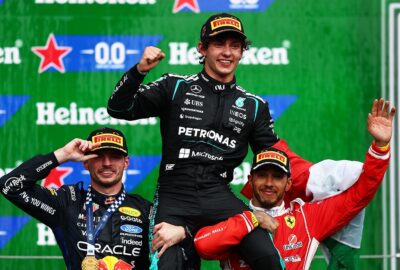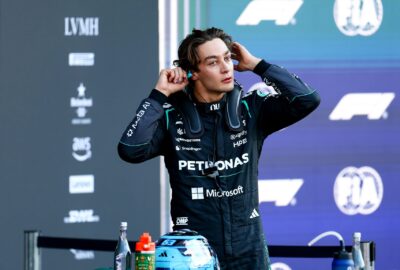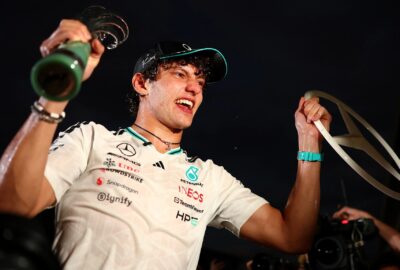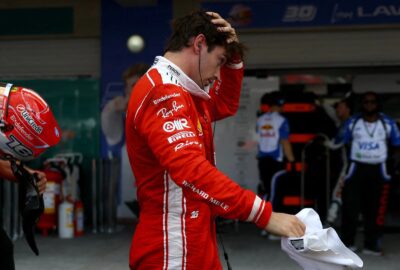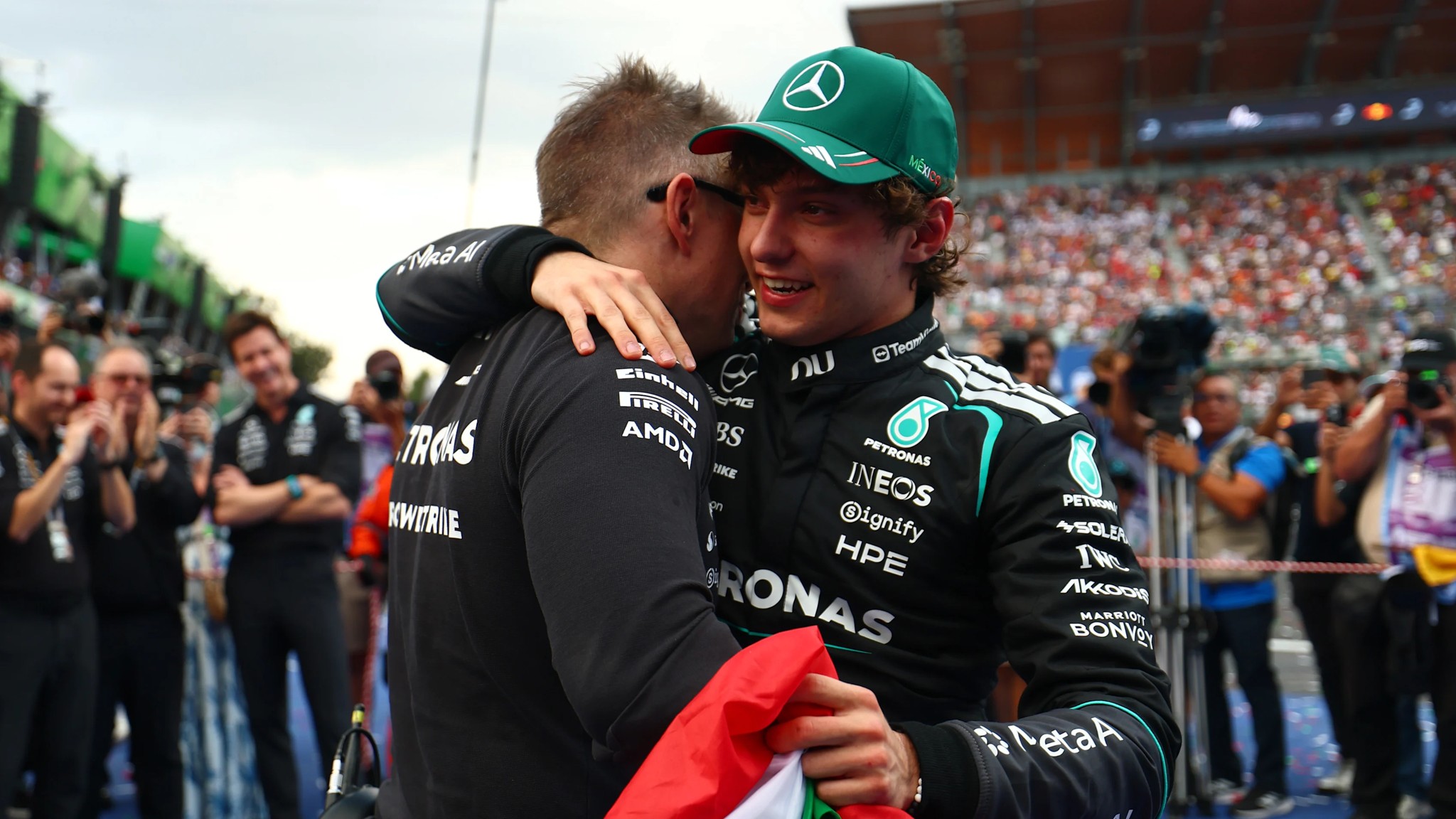
Pete Bonnington has chosen Monaco, Monza and Austin as his three standout races from Kimi Antonelli’s championship-winning season. Speaking to F1 TV, Mercedes’ Head of Race Engineering and Antonelli’s race engineer highlighted not simply victories, but the young driver’s ability to deliver under different forms of pressure.
Three circuits, different tests
Bonnington described Monaco as especially significant. In his view, proving yourself there earns greater respect from fellow drivers, and Antonelli’s performance made a lasting impression. That personal assessment explains why his selection was about more than points or winning margins.
His recollection of Monza conveyed the force of the performance: once Antonelli was on his way, there was no stopping him. The drive remained vivid in his engineer’s memory, offering a different perspective from the peer recognition he associated with Monaco.
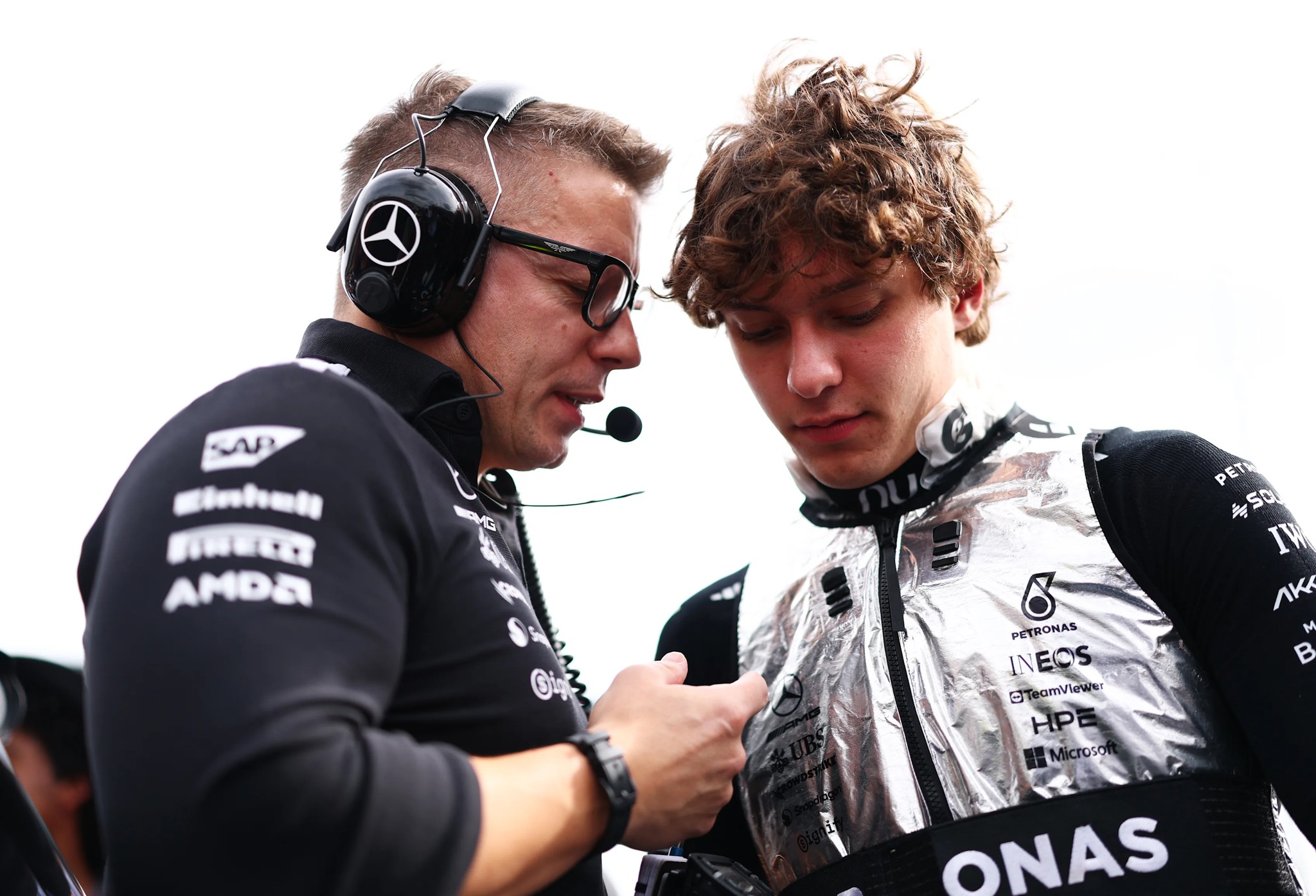
Austin presented a more clearly defined challenge. Bonnington said that running one stop against a two-stop strategy creates the mental pressure of expecting to be caught and passed. Antonelli kept his head down, continued producing the lap times and won. Bonnington called it a champion’s drive.
He also linked their working relationship to open communication. Keeping an element of fun, he said, helps break down barriers so they can speak honestly. After serving as Lewis Hamilton’s race engineer for many years, Bonnington began working with Antonelli in 2025 and has now watched him become World Champion in his second season.
INKA SPORTS Analysis and Summary: Turning pace into repeatable results
The three choices offer distinct perspectives: Monaco for the respect it commands, Monza for an unforgettable display, and Austin for execution under strategic pressure. Bonnington also mentioned performances elsewhere, stressing consistency across different circuits and tyre conditions.
His account helps explain why an engineer values the route to a championship as well as the deciding result. It does not isolate the relative contribution of driver and car, but identifies a clear development: Antonelli increasingly turned speed into results he could deliver repeatedly, even when the demands and pressures changed.