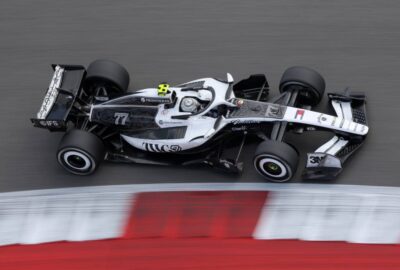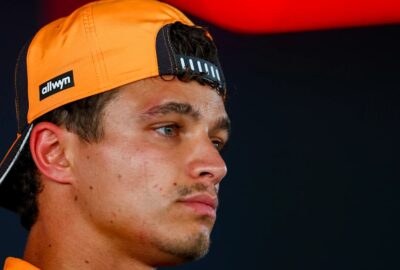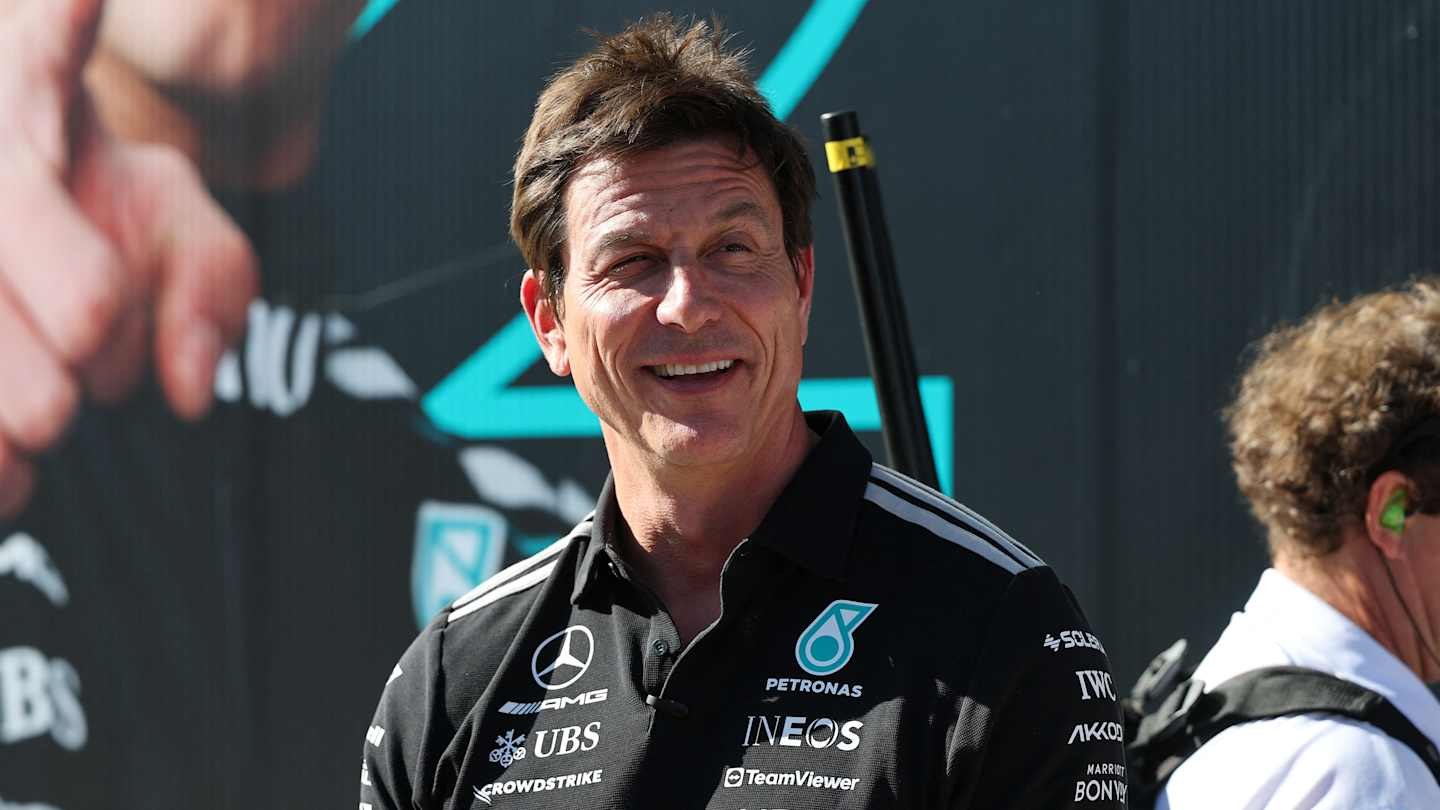
According to a Motorsport.com report published on 19 September, former Alpine team principal Otmar Szafnauer praised Toto Wolff’s decision to promote Kimi Antonelli on the High Performance Racing podcast, saying Wolff deserved credit for taking that risk. He also mentioned Gwen Lagrue’s role in identifying Antonelli. In his second F1 season, Antonelli had already won 8 Grands Prix and led team-mate George Russell by 81 points, bringing renewed attention to Mercedes’ original driver choice.
After Hamilton decided to join Ferrari for 2025, Mercedes needed a replacement for his seat. The team ultimately promoted Antonelli directly from F2 to partner Russell in 2025, without first placing him at another F1 team to gain racing experience. What Szafnauer praised was Wolff’s willingness to entrust the young driver with the responsibilities of a full-time Mercedes race seat immediately.
From the junior programme and testing to a race seat
Mercedes’ official announcement of its 2025 line-up set out the development background behind that decision. Antonelli joined the junior programme in 2019 at the age of 12, subsequently winning the German and Italian F4 titles in 2022 and the Formula Regional European Championship in 2023 before moving into F2 in 2024. His junior racing results and testing performances gave the team evidence to assess before he had contested an F1 Grand Prix.
In that announcement, Wolff said Antonelli’s F1 testing that year had been impressive, while acknowledging that entering F1 remained a major step and that the team would support his learning. Explaining the pairing, Wolff stressed the experience Russell could provide. Russell also said he hoped to pass on the help he had received from Hamilton. Expectations of the newcomer and recognition that he still had much to learn were both present when he was promoted.
As of 20 September, the most recently completed race was the Spanish Grand Prix on 13 September. F1’s official report confirmed that Antonelli extended his lead over Russell to 81 points after taking his eighth victory of the season in Madrid. Counting the top-three finishes across the first 14 Grands Prix completed on the official calendar gives him 12 podiums. Both the victories and podiums here refer to Grands Prix, without including Sprint results.
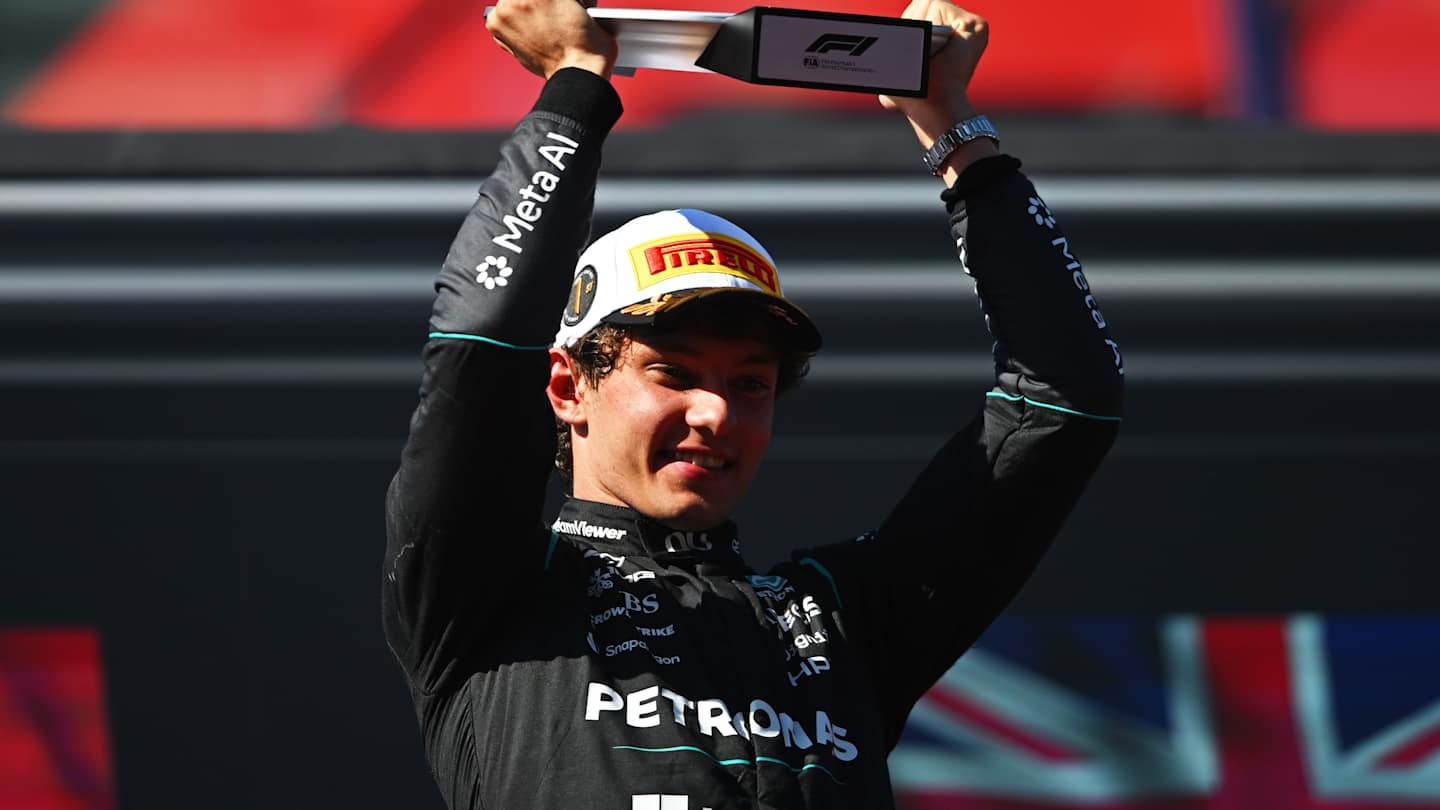
Learning continued after the first victory
When the first victory arrived, however, Wolff did not describe the young driver as fully developed. F1’s report after the Chinese Grand Prix on 15 March recorded Antonelli’s maiden win. Wolff felt his progress had been faster than expected but cautioned that he would still make mistakes. Antonelli received a 10-second penalty for an opening-lap collision in that weekend’s Sprint. The Grand Prix victory and the error on the same weekend showed that speed and racing experience were not acquired in full at the same moment.
Motorsport.com’s report also recalled Wolff joking over the radio after the Chinese Grand Prix win about early criticisms that Antonelli was “too young”. Wolff subsequently explained that a victory could improve the verdict on a driver, only for a mistake at the next race to bring the criticism back, making it necessary to stay calm. His remarks addressed how outsiders judged a driver-selection decision; they did not treat one victory as the end of the development process.
INKA SPORTS Analysis: How results test the risk taken in a promotion
Assessing the promotion first requires distinguishing what the team knew when it made the decision from what subsequent races demonstrated. Junior titles and F1 testing can support an assessment of a driver’s potential speed, but they do not provide the experience of handling starts, penalties and championship pressure across a full season. Russell spent three seasons racing for Williams before joining Mercedes. By giving Antonelli a Mercedes seat directly, the team placed his period of gaining F1 experience within its own factory race programme. That was the specific risk involved.
In assessing the return now, 8 wins and 12 podiums in 14 Grands Prix offer more convincing evidence than the maiden victory in China alone, because the results have been repeated across multiple weekends. They support Szafnauer’s praise for the outcome of the promotion. They do not retrospectively remove the cost of a rookie’s mistakes, nor can results achieved jointly by car, strategy and driver be attributed entirely to one selection decision. Watching whether Antonelli continues to turn speed into consistent finishes and points is the concrete way to test whether that return can be sustained.
Conclusion
Szafnauer’s praise is supported by the current results: the directly promoted young driver has won repeatedly and leads the championship in his second F1 season. The official announcement shows that Mercedes valued his testing and junior results while also allowing for a learning process. The next round, the Azerbaijan Grand Prix, is scheduled for 24–26 September. The current 81-point advantage reflects what has already been achieved; the championship will still be decided by the races to come.