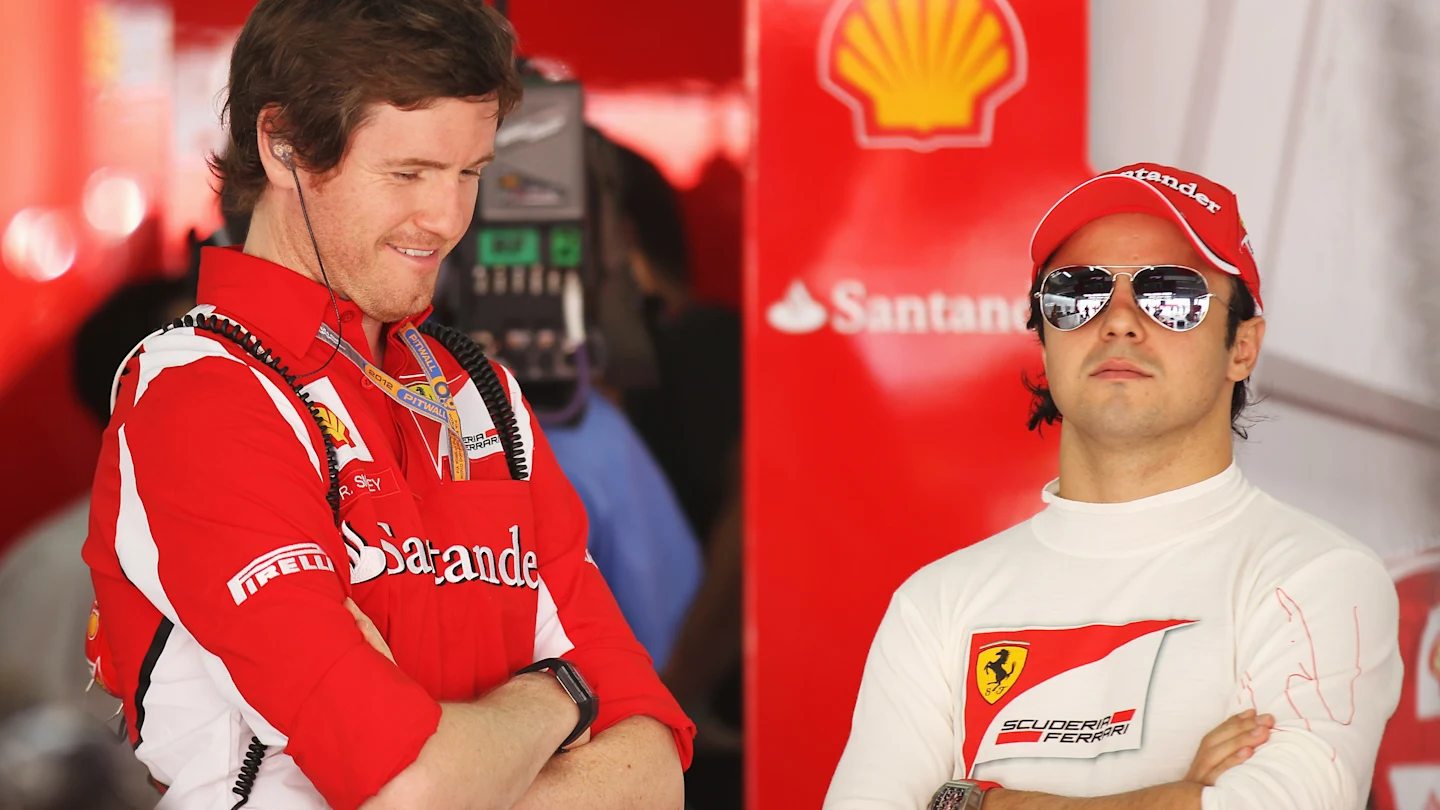
Former Ferrari and Williams engineer Rob Smedley has suggested F1 could add a support stewarding group to handle relatively clear on-track incidents more quickly. Motorsport.com reported on 20 September that he proposed the idea on the High Performance Racing podcast, hoping to reduce the number of straightforward disputes left until after the race.
Smedley felt the existing stewards were extremely busy during races and that competition could not be paused while awaiting a decision. In his view, even some relatively obvious incidents were consequently deferred. He advocated extra capacity through another group. This is his assessment of the relationship between workload and decision speed; the interview did not provide statistics on actual processing times for different incident types.
Why he would retain post-race investigations
Smedley did not call for every post-race investigation to be abolished. He believed complex incidents still required that route and that results could not immediately lose their provisional status at the finish. He cited examples such as floor wear, rear-wing height or slot gaps and car weight: some technical matters require post-race measurement before compliance can be confirmed.
When explaining RaceWatch on 30 April 2025, the FIA said its Remote Operations Centre assisted race control in identifying and flagging incidents in real time. Staff then classify incidents, refer them to the stewards where necessary and manage information during the race. That existing support shows that initial identification and formal adjudication are distinguishable stages.
How support resources differ from a new decision-making body
Smedley’s suggestion is a personal proposal to increase processing capacity. The interview did not set out the new group’s authority, composition or implementation. The remote-support process described by the FIA cannot simply be treated as the new stewarding group he envisaged. Identifying and organising an incident is not the same step as issuing a formal decision; more support resources do not remove the need for subsequent adjudication.
INKA SPORTS analysis: faster decisions require identifying what is being awaited
The key distinction is between waiting for processing and waiting for evidence. In Smedley’s explanation, straightforward incidents may queue while stewards are busy, and added capacity could reduce that delay. But his own technical examples require waiting for the car to be measured. Another group alone cannot complete those checks before the finish. Continued post-race decisions therefore do not by themselves prove that extra staffing failed or that the original process was broken.
The FIA’s published routing process further limits the conclusions available. Remote support does not mean every incident can already be decided promptly, but notices of post-race investigations alone do not identify where a delay occurred. Testing Smedley’s proposal would require comparing similar straightforward cases from identification through referral to decision and determining which waiting period was reduced. Technical measurements and complex incidents need separate treatment; the total number of post-race investigations should not be the sole effectiveness measure.
Summary
Smedley wants to shorten processing waits for straightforward incidents while retaining complex investigations and post-race technical checks. Existing remote support already handles some identification and routing. The extra capacity a new group could provide still requires specific arrangements and timing evidence to assess. The discussion should focus on which delays can be reduced, rather than requiring every decision before the chequered flag.