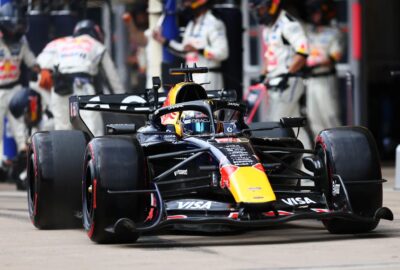
According to a feature published by F1 on 19 September, Audi and technical partner BP assessed 70 fuel components, produced 400 trial samples and tested 200 formulations on Audi’s new power unit before the 2026 season began. BP also supplied 240,000 litres of test fuel to the development facility in Neuburg, Germany. Those figures illustrate the scale of the work before the new fuel reached the circuit, but for Audi, the opening race was not the end of formulation development.
F1 began using advanced sustainable fuels in 2026, with feedstocks potentially derived from carbon capture, municipal waste and non-food biomass. In the feature, BP’s Motorsports Technology Fluid Lead, Luc Jolly, explained that familiar fossil-derived components could not simply be carried over. The team had to address both the sourcing requirements for the new fuel and how it would work with Audi’s new engine.
Developing fuel and engine together
That matching process began before the team entered competition. When Audi announced its partnership with BP on 15 July 2024, power-unit project chief Adam Baker said the two companies had started fuel testing in late 2022, stressing that combustion had to be optimised jointly with the engine and the fuel’s characteristics. The announcement also distinguished the roles within the partnership: BP was responsible for fuel, while Castrol was developing lubricants and related fluids for the internal combustion engine and electrical components.
In his F1 interview, Jolly identified balancing performance and reliability as a central task. F1 limits the number of power-unit components that may be used during a season, so suppliers have to unlock performance while retaining a sufficient reliability margin. He believed there was still room for optimisation in the first year of the new regulations, with the combination of formulation and engine requiring continued development.
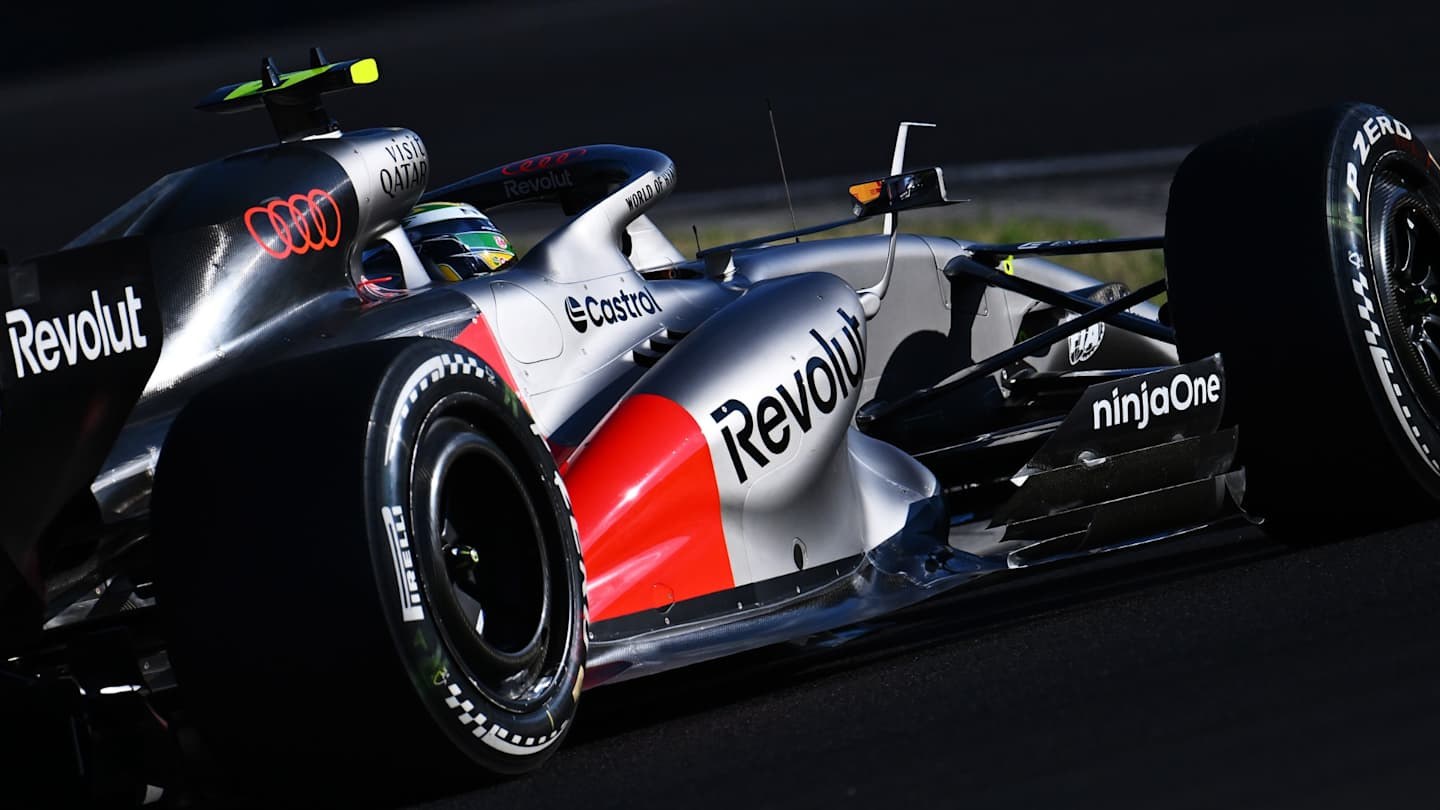
Track feedback and the following year’s regulations
Feedback from the circuit feeds into the next phase of development. In the same feature, Bortoleto said his role was to tell engineers how the engine felt while he was driving, rather than go directly to the laboratory to request changes to the formulation. Jolly explained that information from drivers and trackside engineers informed the supplier’s optimisation work. This creates a continuing exchange between candidate formulations in the laboratory and their actual use in the car.
Development also has to accommodate changing operating conditions the following year. On 23 June 2026, the FIA confirmed that the World Motor Sport Council had approved adjustments for 2027–2028 to rebalance the contributions of the internal combustion engine and energy recovery system, including changes involving fuel energy flow. In his September interview, Jolly said an increase in fuel flow would alter processes inside the engine and create new opportunities for formulation development. The work involves more than simply increasing the amount of fuel supplied.
INKA SPORTS Analysis: Why development continues after testing 200 formulations
Testing 200 formulations concerns the combination of fuel, a particular engine and its operating conditions. Audi’s early joint testing addressed how to pair the new engine with the new fuel. Once racing began, feedback from real driving provided the development team with further information on its use. These are different sources of evidence: completing pre-season tests cannot replace subsequent track feedback. When fuel energy-flow conditions change the following year, the existing combination also needs to be validated again, making formulation development a continuing process of matching the two.
The value of subsequent upgrades should therefore be assessed through changes in the combination’s performance, rather than simply an increase in the number of candidate formulations. Judging whether a fuel adjustment is effective requires observing performance under comparable engine and test conditions, alongside reliability results from sustained running. The figures of 70 components, 400 samples, 200 formulations tested in the engine and 240,000 litres supplied record different stages of the development investment. On their own, they do not show how much more power any particular formulation delivers than its predecessor.
Conclusion
The development scale disclosed by Audi and BP shows that the 2026 fuel transition involved substantial work to match fuel and engine. Track feedback and already approved changes to subsequent regulations explain why that development must continue. The present priority is to improve fuel, engine performance and reliability together. Jolly also said some of the experience might eventually be applied to road fuels, but that remained a direction for technology transfer: the feature provided no timetable for commercialisation.