According to Motorsport.com’s report on 19 September, 2016 F1 world champion Nico Rosberg believed an overly aggressive winter development programme and an overweight car had left Williams in a predicament that would be difficult to escape quickly. The report placed the team ninth in the constructors’ standings with 11 points, comprising 6 for Sainz and 5 for Albon. That was Rosberg’s assessment of the FW48’s performance; the team’s own explanations shed light on how manufacturing and development tools affected the work to remedy it.
In the Sky Sports comments relayed by the report, Rosberg illustrated the cost of weight with an estimate of around 0.3 seconds per lap for every additional 10 kilograms. This was his estimate of the scale of the effect, not a Williams disclosure of the car’s current excess weight or a fixed loss at every circuit. He also believed Williams, which uses a Mercedes power unit, still needed aerodynamic improvements and could not attribute its difficulties solely to the engine.
Why winter manufacturing left a weight-reduction burden
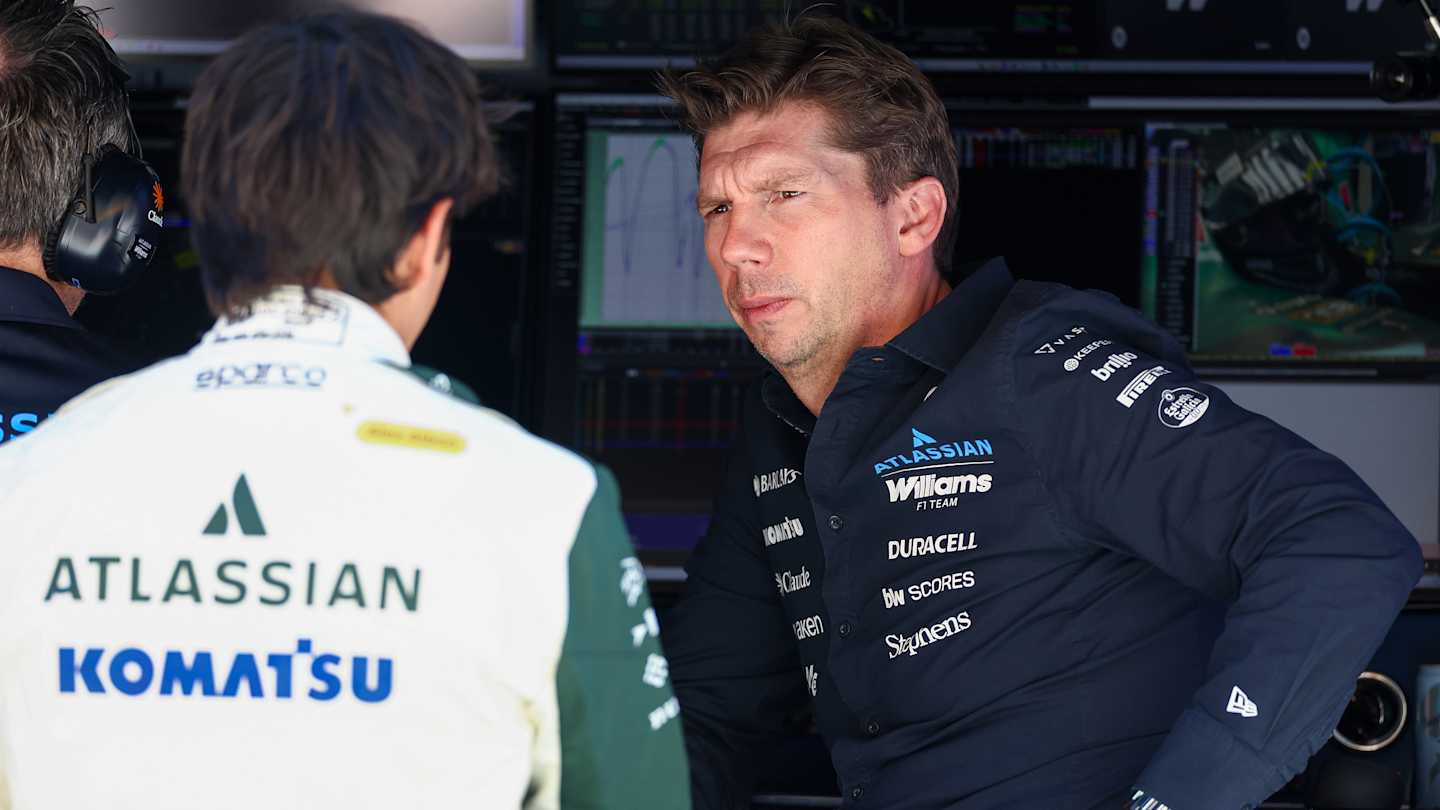
Vowles’ explanation published by F1 on 8 May traced the problem to the winter manufacturing process. The team began wind-tunnel development early but wanted to keep the design in the tunnel for as long as possible, so did not start manufacturing the complete car equally early. The new car’s components became more complex, and numerous small system inefficiencies surfaced together under pressure. Difficulties with some crash tests placed further strain on an already stretched process.
In that official report, Vowles explained that adding weight to ensure the integrity of components was relatively straightforward. Removing it again, however, required consideration of spending efficiency under the cost cap. Using a lighter new floor as an example, he stressed that the team could not simply remake an identical but lighter front wing; weight reduction needed to be combined with aerodynamic updates. Remedial work therefore involved trade-offs between weight, performance and manufacturing expenditure.
F1’s preview of the Baku upgrade on 18 September recorded another type of development problem. Vowles said a simulation tool the team had previously lacked only became operational in November 2025, by which time the car was largely defined. Before that, the team had been limited to informed estimates in some areas. Williams had developed around the wrong rear ride height and subsequently corrected it. He saw improvements to systems, tools, processes and personnel as the means to reduce similar mistakes.
The Baku upgrade faces a moving target
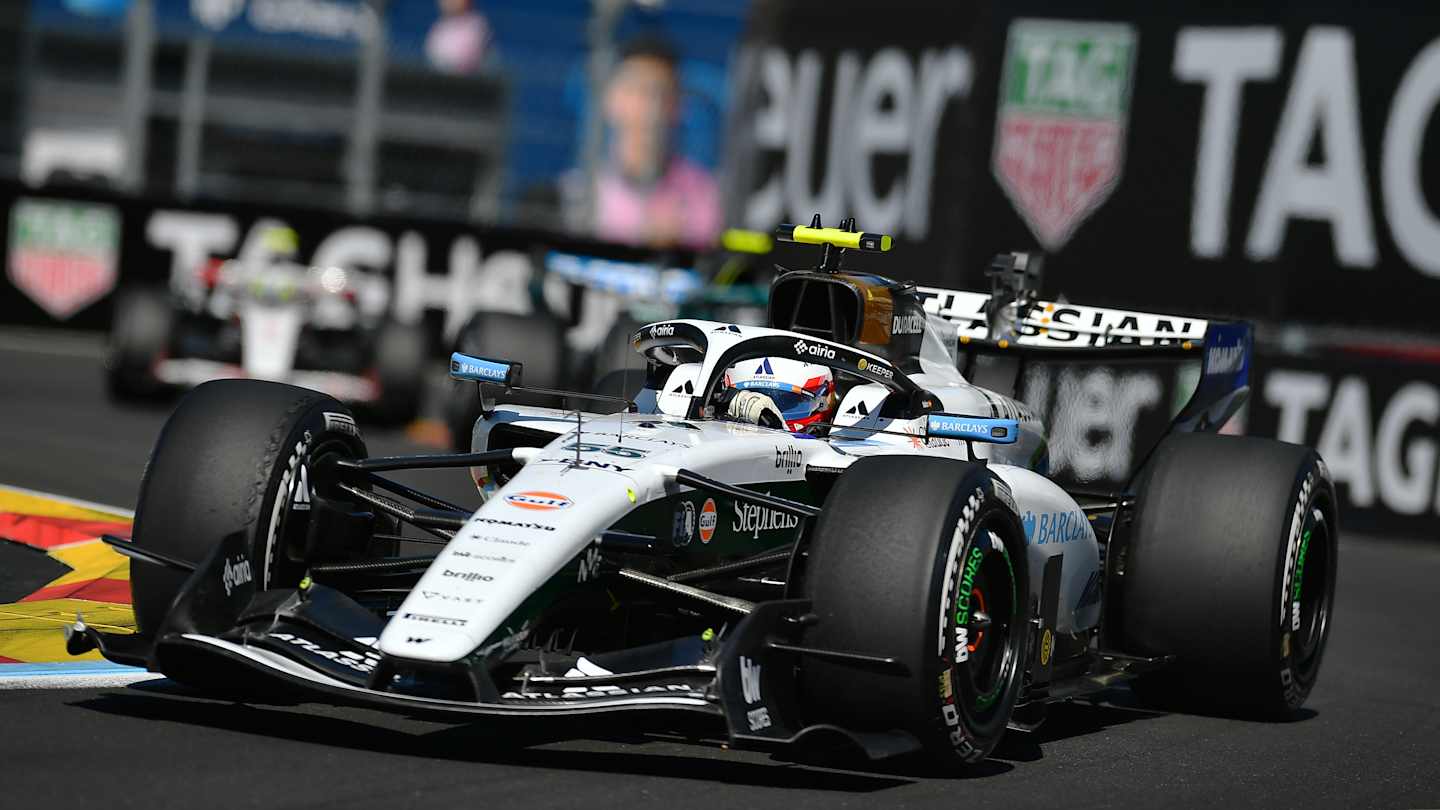
The Baku upgrade was not a last-minute decision. Vowles’ plan, published by F1 on 26 June, was to bring smaller improvements to Silverstone, introduce components gradually over several rounds and then make a larger change at Baku. The preview on 18 September confirmed that Williams was continuing to reduce weight and had already updated the front wing. The forthcoming major package was an important step in that development programme.
Other teams were also progressing, however. In F1’s report on 18 September, Albon said midfield teams had often brought one or two upgrades in previous years, whereas this year they might have three or four, with larger gains. At a normal rate of development, the Baku package could have made Williams competitive again, but this year’s target kept moving. Sainz similarly hoped the upgrade would bring the team closer to scoring points, while believing that would still fall short of its original objectives for the season.
INKA SPORTS Analysis: Weight reduction and development decisions both need correcting
These explanations concern two tasks that need to be addressed separately: correcting the car already manufactured and improving the reliability of the next design decision. Lighter components can reduce the current burden, but if weight alone is addressed without correcting the assumed operating state used during development, subsequent aerodynamic solutions may still be optimised in the wrong direction. Under the cost cap, combining weight reduction and performance updates within the same manufacturing cycle is Vowles’ chosen way to improve efficiency. The problems left by winter are therefore difficult to eliminate through one simple replacement.
Assessing the Baku package also requires separating improvements to Williams’ own car from its gap to rivals. Even if the new components deliver the gains anticipated in the design, progress by other midfield teams may limit any change in position. A single points finish is also affected by retirements and race execution, among other factors, and cannot by itself prove that the development problems are solved. More useful evidence is whether the claimed upgrade gains materialise and whether qualifying gaps and long-run performance under comparable conditions continue to improve over subsequent weekends.
Conclusion
Rosberg’s criticism highlighted the cost of Williams’ excess weight and winter development errors. Vowles’ explanations added the constraints of manufacturing timing, the cost of reducing weight and the available simulation tools. The Baku upgrade would test how far the current remedies could take the team. Whether Williams can turn these corrections into a more reliable development process, and gradually close the gap to rivals that continue to improve, will determine whether its difficulties have truly eased.