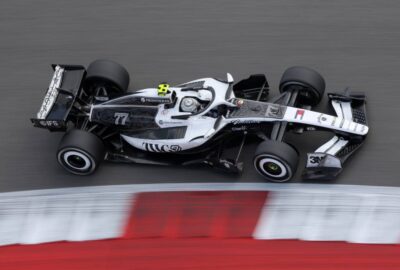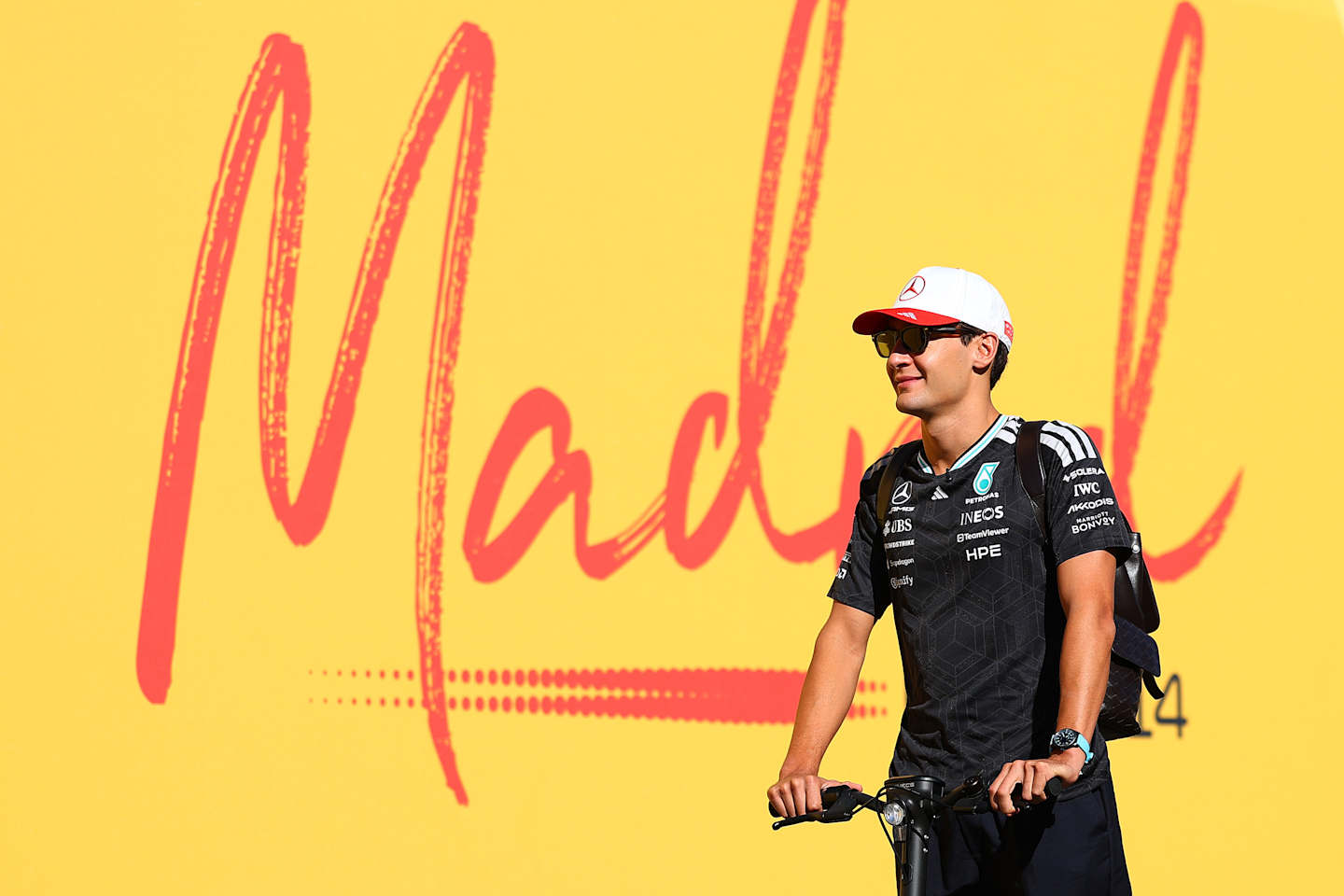
According to Motorsport.com’s report on 19 September, former F1 driver David Coulthard praised Mercedes driver George Russell for his willingness to acknowledge publicly that team-mate Kimi Antonelli was currently doing a better job. After the Spanish Grand Prix, Antonelli’s eighth Grand Prix victory of the season extended his lead, while Russell finished fifth and the gap in the drivers’ standings reached 81 points. Coulthard admired Russell’s honesty in confronting that record.
The report relayed Coulthard’s comments on the Up To Speed podcast. He said drivers sometimes kept searching for explanations when a team-mate was stronger, whereas Russell was willing to answer the media and acknowledge the situation. Coulthard also said he still believed in Russell’s ability, using shifts in relative form between other drivers to illustrate that performance during one phase was not permanently fixed.
The specific issues Russell discussed publicly
Russell’s own comments had a clear timeline. In F1’s pre-race interview on 10 September, he had already acknowledged that Antonelli had done a better job that year and deserved to lead. The gap was then 66 points. He still wanted to fight for victory race by race, while accepting that recovering the points would require some luck. In the post-race interview on 13 September, after the gap grew to 81 points, he judged that he was realistically no longer in the drivers’ title fight and would focus on strong results at each race and helping the team win the constructors’ championship.
The weekend also exposed problems more specific than the points gap. F1’s qualifying report on 12 September showed that Russell had set the fastest time in both FP1 and Q1 but ultimately qualified sixth. He said he pushed the car to the limit on his final Q3 lap, improving early in the lap but losing those gains later as the tyres overheated. As the circuit became faster, he felt the car sliding more without carrying greater cornering speed, something he needed to understand.
In the race, he also raised questions before revising his assessment in light of how events unfolded. F1’s post-race report on 13 September recorded the team fitting medium tyres during a Virtual Safety Car period, when on-track speed was restricted, before switching him back to hard tyres as part of a two-stop strategy. Russell initially questioned the pit stop. Afterwards, he believed the hard tyre had been better and that staying out or making one fewer stop would have led to a similar position, partly because overtaking was difficult. That was his post-race assessment.
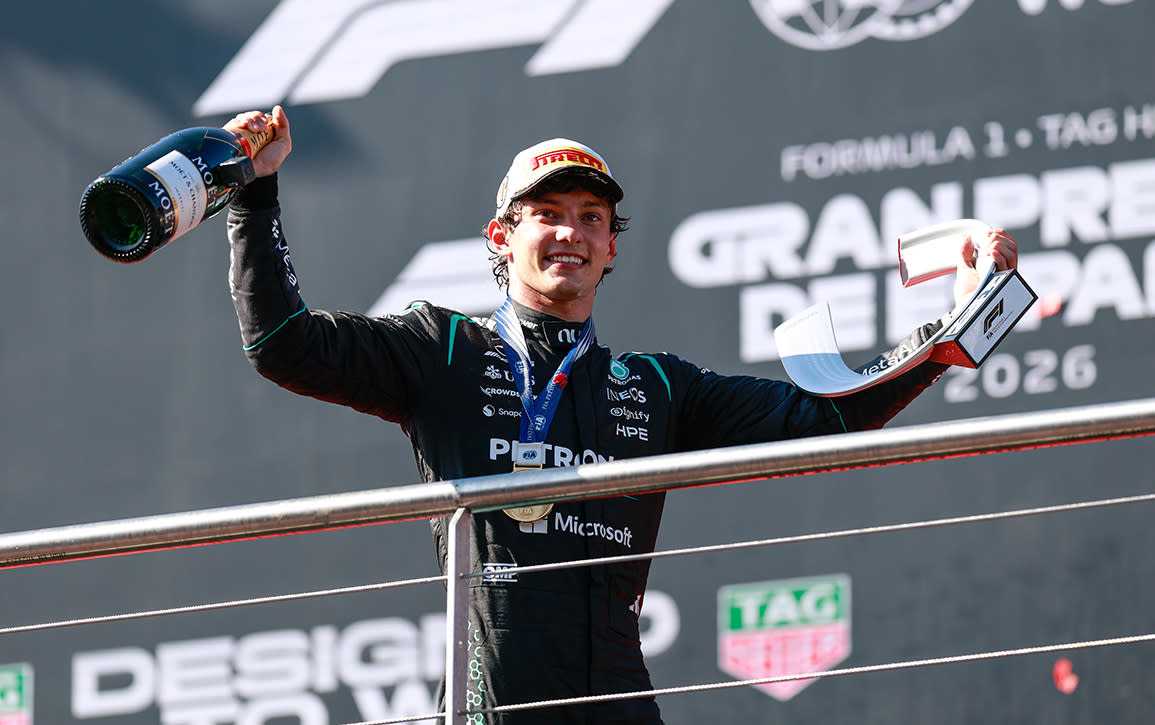
Wolff’s subsequent public explanation likewise did not reduce the issue to a judgement about attitude. In comments published by F1 on 14 September, he said Russell had shown speed while chasing Leclerc late in the race but had not displayed the same performance during some phases after tyre changes. The team still needed to analyse those differences. He continued to endorse Russell’s ability and advocated focusing on performance each weekend until the mathematical possibility of winning was gone.
INKA SPORTS Analysis: How acknowledging a gap connects to specific improvements
These accounts show that acknowledging inferior performance across a season and identifying specific losses within one race can happen together. Russell recognised his team-mate’s results without ending discussion of his own tyre performance and pit-stop choices. The team principal likewise focused on why performance could not be sustained through different phases. Honesty allows the analysis to start from what actually happened and then identify areas that can be improved.
The next test is whether those specific areas can produce consistent results. Carrying the speed from the opening part of the final qualifying lap through to its end, and sustaining competitive race pace at comparable stages of tyre use, would say more about the effectiveness of changes than simply repeating the points gap. The late-race pursuit showed that speed was available, but it needed to be delivered more consistently over subsequent weekends. Publicly acknowledging a team-mate’s performance cannot replace that work.
Conclusion
Coulthard’s praise has the background of Russell’s comments before and after the race, while the 81-point deficit indicates the scale of the challenge. Russell’s next task remains to address the tyre and execution issues he has identified and pursue results at each round. Whether that public analysis translates into more consistent qualifying and race performance is the concrete development to follow.