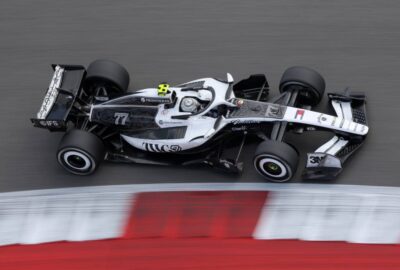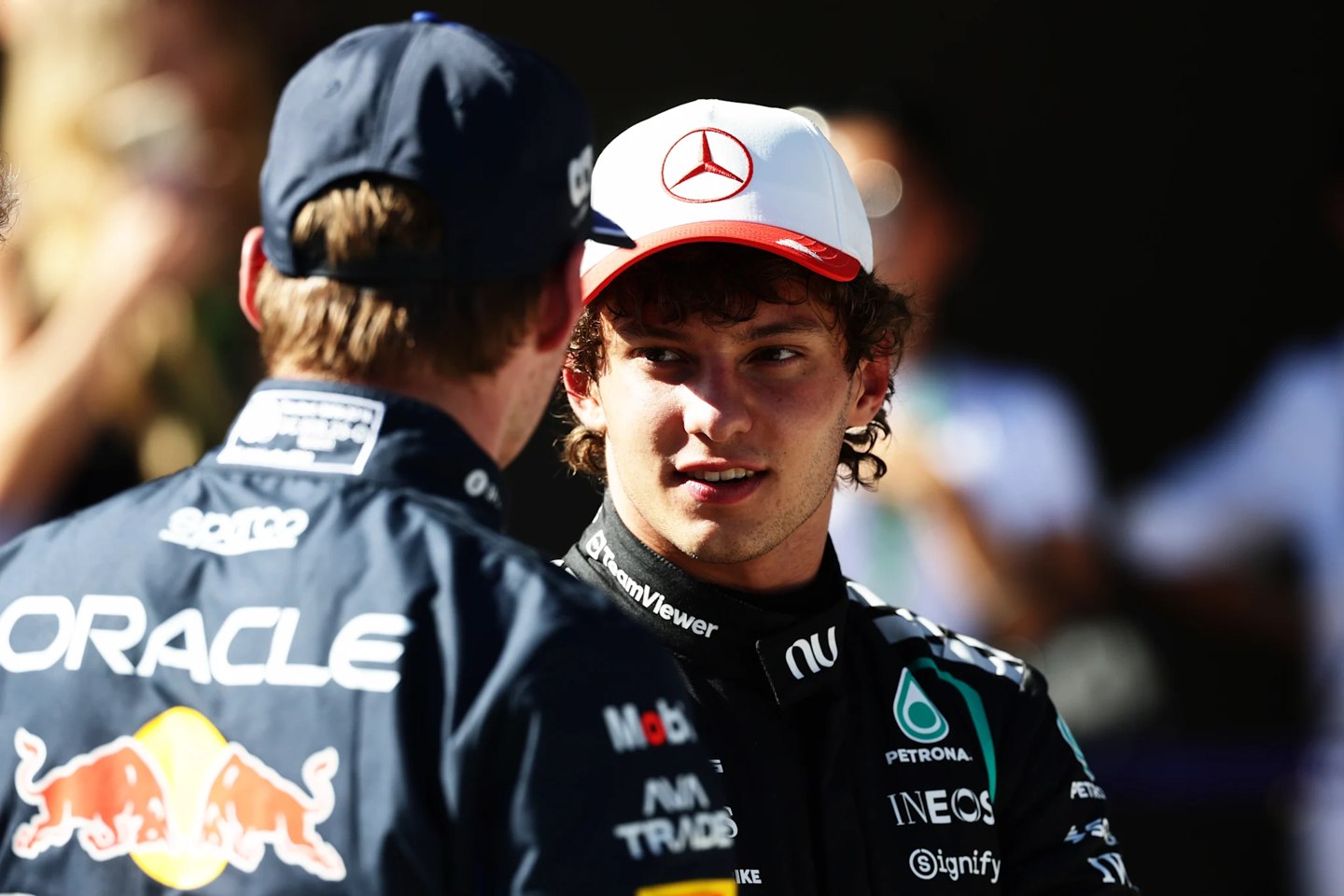
Kimi Antonelli led team-mate George Russell by 81 points after taking his eighth Grand Prix victory of the season in Madrid. Nico Rosberg still urged him to be ready for championship pressure: if rivals became more competitive and put him in traffic more often, the risks would also increase. Motorsport.com reported the 2016 world champion’s view alongside a different piece of advice from Max Verstappen: keep doing what has already been working.
Rosberg’s concern is a change in racing circumstances
Speaking on Sky Sports’ F1 Show, Rosberg considered the possibility of further improvement from McLaren and progress from Ferrari. If that pushed Antonelli down the order, he would face more competition in the pack. The premise was that rivals would actually improve enough to change his position in races. Rosberg did not say those changes had already occurred, nor did he judge Antonelli to be panicking at present.
He explained the concern through his own experience late in the 2016 title fight. Even with a favourable points situation, temporarily dropping to third or lower in qualifying or a race increased the likelihood of battling other cars. In his recollection, his driving performance dipped and the situation no longer felt as straightforward as the standings suggested. He was discussing pressure arising from a worsening competitive position, not making a psychological diagnosis of Antonelli.
Verstappen’s advice focused on the present. Asked what advice he would give Antonelli, he praised his performance, confidence, growing experience and team support. He felt Antonelli should continue with the existing approach, pay less attention to the standings and avoid overcomplicating matters. He also said he did not feel Antonelli was becoming excessively nervous.
Lando Norris likewise based his assessment on demonstrated performance. Antonelli was ahead of a more experienced team-mate, made few mistakes and did not drive like someone in only his second F1 season. Those observations explain why fellow drivers recognised his current competitiveness. Whether he could maintain the same standard with rivals closer would still need to be tested in subsequent races.
What the Madrid pit stop showed about repeatable preparation
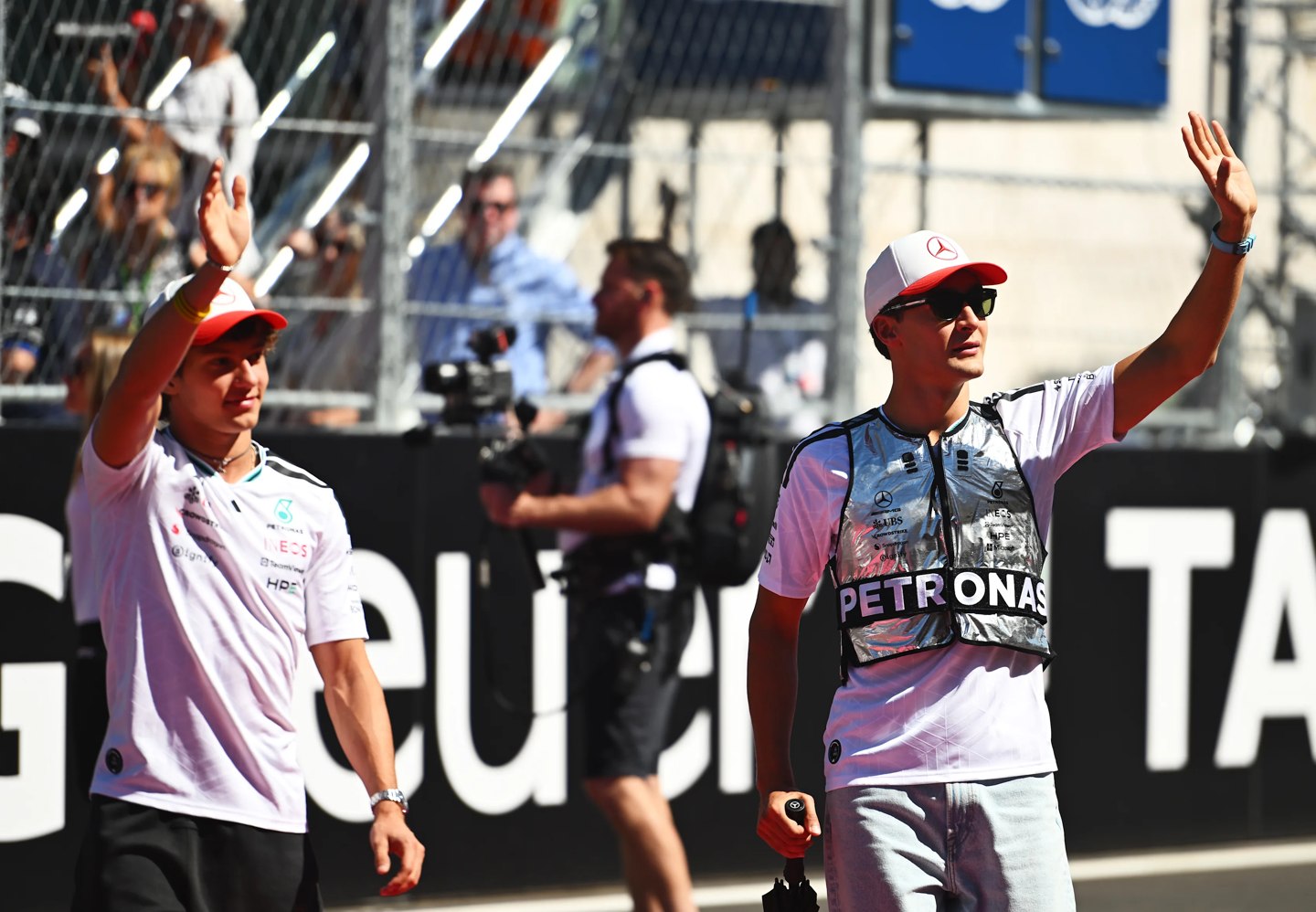
The Madrid victory offered a specific example. After Stroll stopped and brought out yellow flags, Antonelli’s engineer Peter Bonnington warned him that a Virtual Safety Car might follow. Antonelli slowed in advance, then pitted after the VSC was deployed and used that opportunity to win. He also acknowledged afterwards that Norris would probably have won without that VSC.
According to Motorsport.com’s report on the NU Silver Arrows Radio Show, Mercedes’ Trackside Engineering Director Andrew Shovlin said the team had established its Safety Car and Virtual Safety Car plans for the different phases of the race on Sunday morning. After the yellow flags appeared, Bonnington promptly confirmed the pit-stop window. The report gave 35 seconds from the yellow flags to VSC deployment, then 15 seconds from deployment to Antonelli reaching his pit box. The team also had to prepare two sets of tyres for him and Russell to stop in succession.
INKA SPORTS Analysis: Turning an 81-point advantage into decisions in the moment
That sequence gives “maintain the existing approach” something concrete to assess: contingency plans established before the race, a driver aware of his pit-stop window, an engineer confirming the choice quickly when an incident occurs, and simultaneous preparation in the pit lane. Reopening the debate over whether to stop within those 15 seconds would consume time needed for execution. The repeatable element is that decision-making process. The VSC happening to be deployed before the pit entry is timing the team cannot arrange.
The risk Rosberg identified arises precisely when race conditions change. An 81-point lead gives Antonelli a points cushion, but does not determine his starting position, traffic ahead or pit-stop opportunities at any particular round. If rivals place him in the pack more often, the existing plan must be adjusted to his actual position. Maintaining a clear decision process and changing the specific strategy can happen together. Madrid’s successful execution supports retaining that preparation method; it does not yet prove it will work in every adverse situation.
Conclusion
Rosberg focused on the risks following a change in competitiveness, while Verstappen emphasised maintaining the working methods currently delivering results. The two pieces of advice can complement each other. Antonelli’s lead and his peers’ praise both have an evidential basis, and Madrid demonstrated the driver and team’s ability to execute a prepared plan quickly. The next questions are whether rivals really change his position in races, and whether Mercedes can still adjust and implement decisions promptly when that position is unfavourable. Neither the points gap nor one victory alone can answer them.