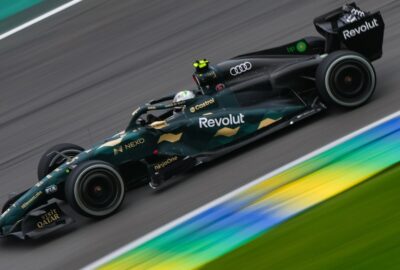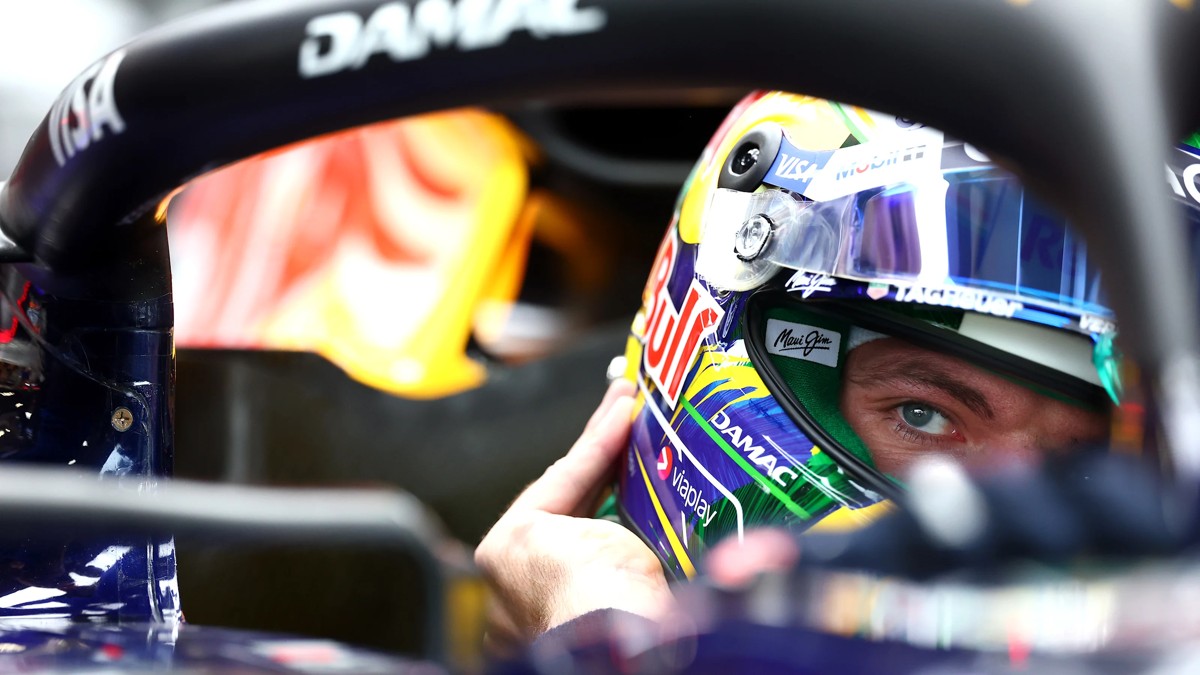
Max Verstappen finished third in both Friday practice sessions at the 2026 Sao Paulo Grand Prix, but Red Bull's preparations were not trouble-free. He continued to experience downshift issues, then reported heavy steering in FP2 and ended his running early. Competitive single-lap positions did not remove those difficulties with the car.
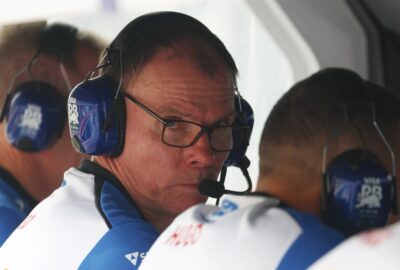
Speaking to Formula 1, Red Bull Head of Race Strategy Hannah Schmitz said the team was considering several changes to Verstappen's car and expected to use a different steering wheel for the rest of the weekend. She said the team understood the areas he disliked and could work on them. Further running will test whether the changes are effective.
Verstappen's own post-session assessment also identified the steering as something to address before qualifying. He felt the day had been broadly reasonable, with the team seeking more consistent performance and a better understanding of tyre behaviour on longer runs. Resolving the operating difficulties and evaluating race tyres were parallel parts of Red Bull's preparation.
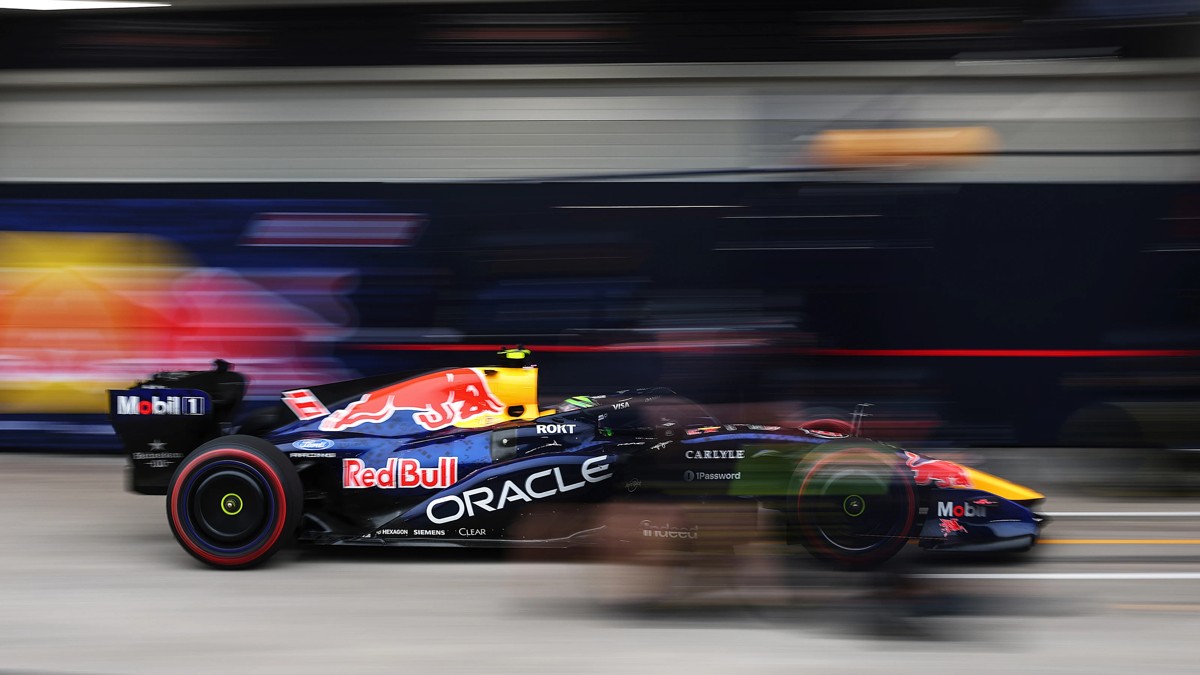
Isack Hadjar's concerns centred more on setup. He felt the morning's long-run performance was competitive, but the direction chosen for FP2 did not work as intended and soft-tyre single-lap pace still needed attention. He wanted to establish an improvement in FP3, rather than rely solely on a change in the weather.
INKA SPORTS Analysis and Conclusion: Different jobs on the two cars
The two drivers were not describing one shared fault: Verstappen needed work on steering and downshift feel, while Hadjar emphasised balance. Red Bull can pursue separate adjustments without abandoning its existing pace, but the next session must establish which changes help.
Weather at Interlagos is another variable. Schmitz noted the prospect of a heavy rain front on Saturday, with uncertainty over its arrival, and said the team would prepare for dry and wet conditions. The immediate opportunity is to make existing speed more consistently accessible to the drivers, rather than simply repeat a strong practice position.