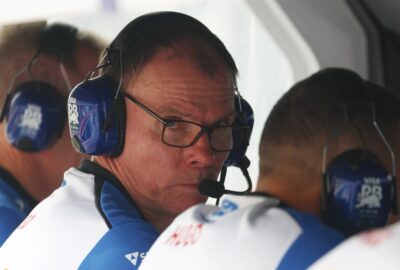
Williams team principal James Vowles said in a November 6 team interview that development of the 2027 car could not be reduced to aerodynamics alone. Weight, structural stiffness and layout all influence performance, and the team is working on those areas and its development tools together.
He linked the braking, cornering and exit phases of a lap. The car needs usable balance in slow, medium and fast corners so the driver can approach its limit. An improvement in one performance measure does not by itself show whether the driver can exploit the car throughout those phases.
Vowles also reviewed reliability work in Mexico. Better management of power-unit and brake cooling helped the drivers keep pushing during the race. Although the cars remained just outside the points after penalties, that work provided useful experience for subsequent development.
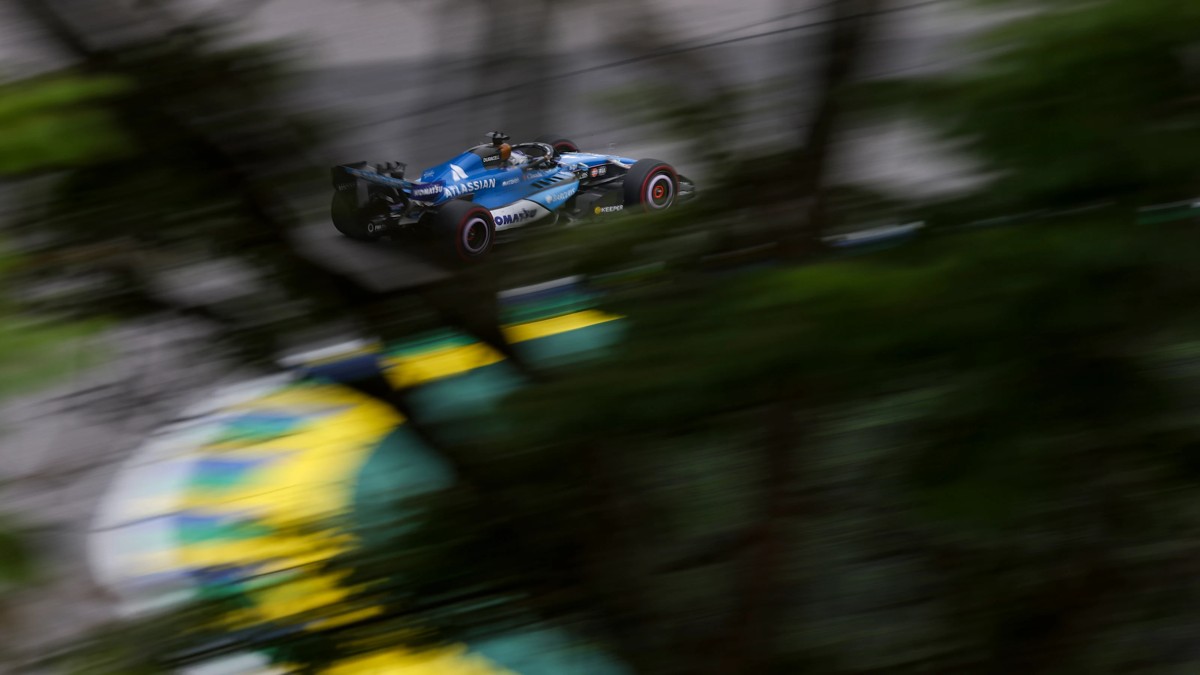
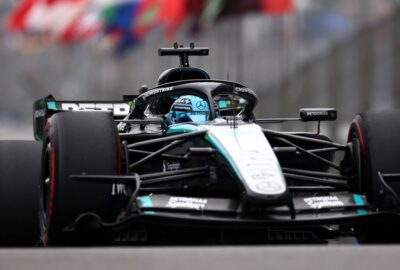
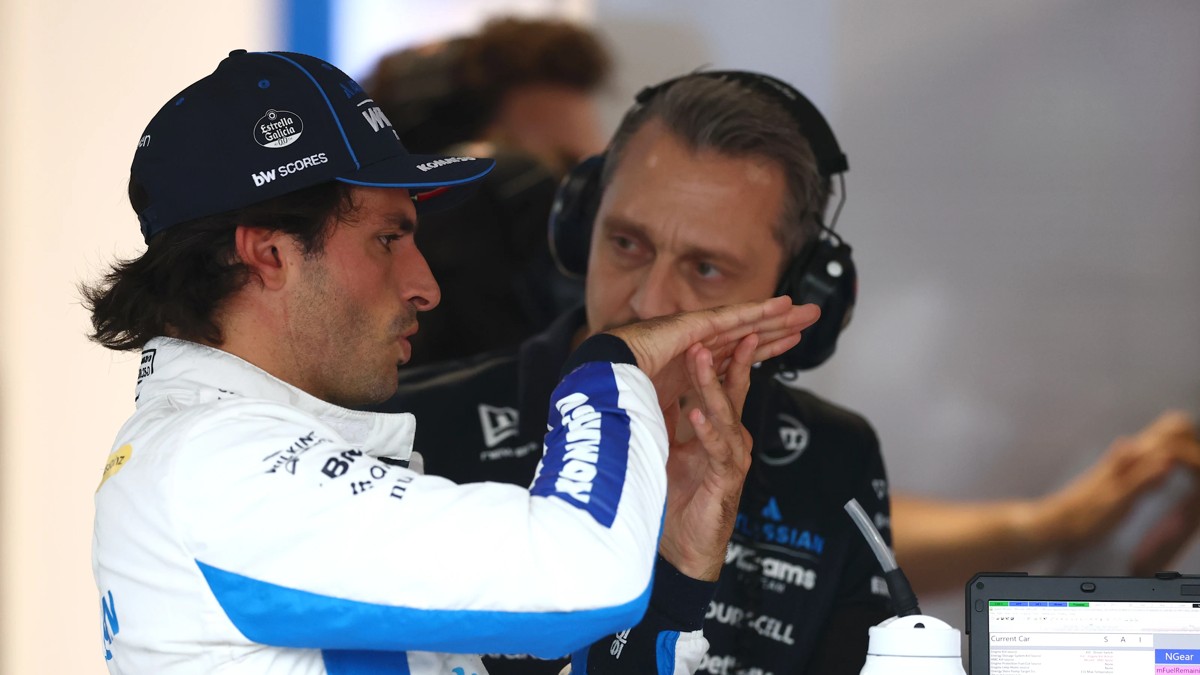
Williams were still seeking the right balance on Friday in Brazil. Alex Albon said the car sometimes felt good but at other times needed substantial work. After FP2, Carlos Sainz described the challenge of low temperatures and cold tyres, with setup experiments and correlation work also directed towards next year.
Luke Browning completed his fourth and final FP1 appearance of the season. He said the shorter programme limited mileage but would provide information to take back to Grove. Sainz also referred to a mileage-limited weekend, increasing the importance of each run.
INKA SPORTS Analysis and Conclusion: Connecting track feedback with whole-car development
INKA SPORTS sees each of Sainz’s runs on cold tyres during this mileage-limited weekend as serving both setup work and correlation. Recording the car’s responses through braking, the corner and the exit helps test whether the development tools reflect its behaviour. The whole-car balance Vowles describes gives those track observations a specific target in the 2027 design.