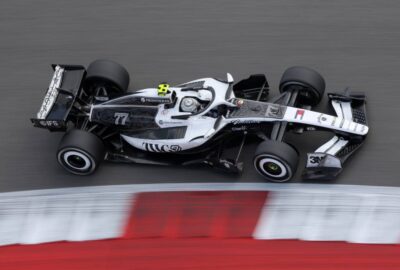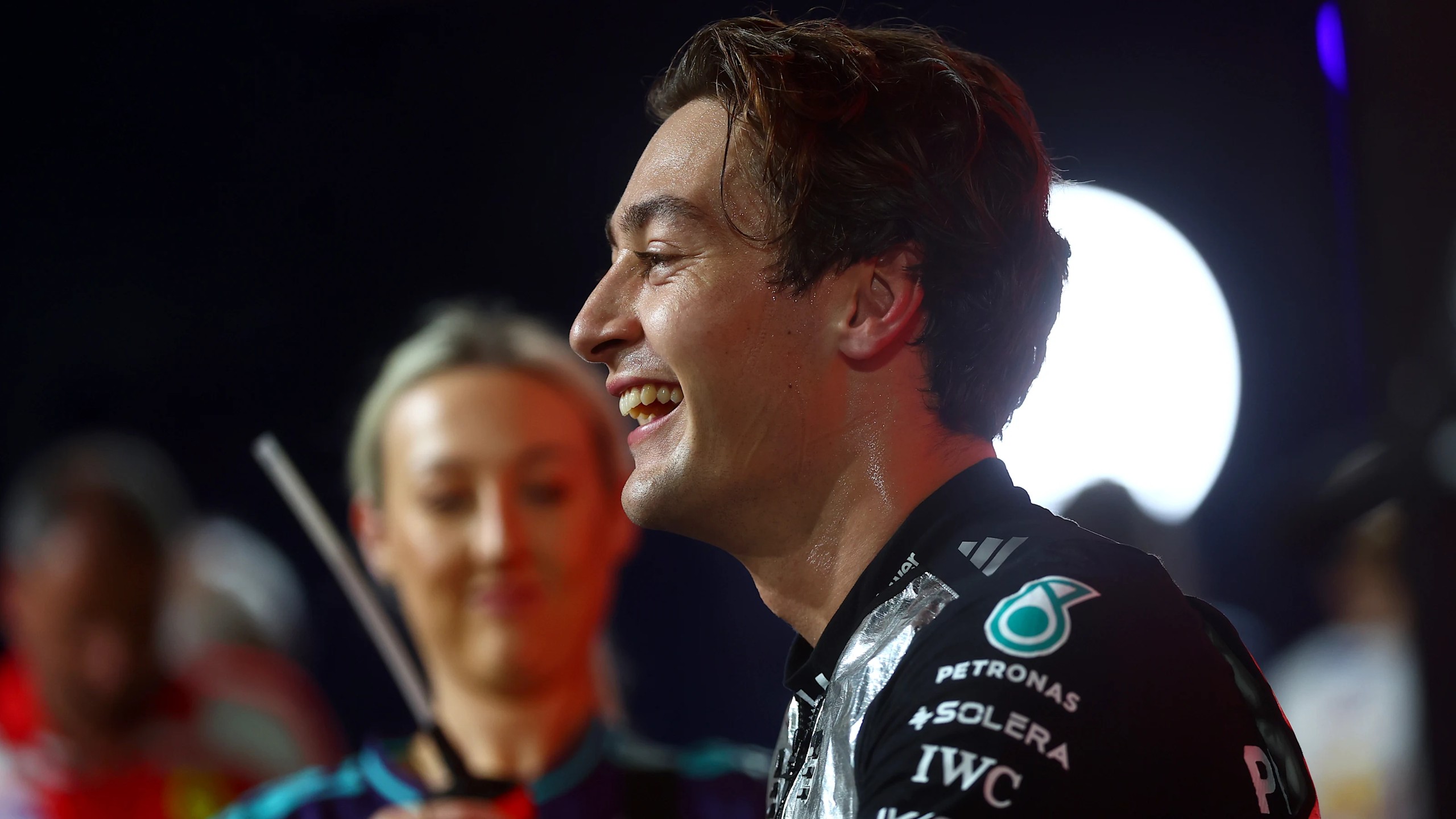
Mercedes finished second and seventh in Singapore Sprint Qualifying on October 9, but that did not end its investigation into the latest upgrades. George Russell used the earlier Baku specification, while Kimi Antonelli retained the main elements of the recent upgrade package. Their fastest laps in the final phase were 0.573 seconds apart. Afterwards, the drivers and engineering team began to focus more closely on the car’s response and the confidence it gave the driver.
Strong start for the earlier specification, but good laps remain elusive with the newer package
Russell finished second with a 1:31.276, 0.120 seconds behind Verstappen, while Antonelli was seventh on 1:31.849. Russell had also led the weekend’s only free practice session, in which Antonelli was again seventh. Friday’s results with the two specifications gave the team a starting point for further comparison.
Mercedes had decided before the event to split the specifications because the effect of its Sepang upgrade remained unclear. F1’s official post-session round-up also recorded that Antonelli had reverted to the older front wing after practice. The Sprint Qualifying comparison therefore involved the complete configurations actually fitted to the two cars at that time. It was not an isolated test in which all the new parts planned before the event had remained unchanged.
In his post-session interview with F1, Antonelli said he had been struggling since first practice. The car was unpredictable, making it difficult to put a whole lap together. He had arrived in Singapore with high expectations but had not found the feeling he needed on Friday. He hoped to review the data with his engineers and would also continue working on his own driving.
Shovlin focuses on confidence under braking and on corner entry
In the team’s post-session comments, trackside engineering director Andrew Shovlin said the balance of neither car was entirely satisfactory, with Antonelli the less confident of the two under braking and on corner entry. On this street circuit, that confidence affects how hard a driver can push on a qualifying lap. The team needs to understand where the difference comes from.
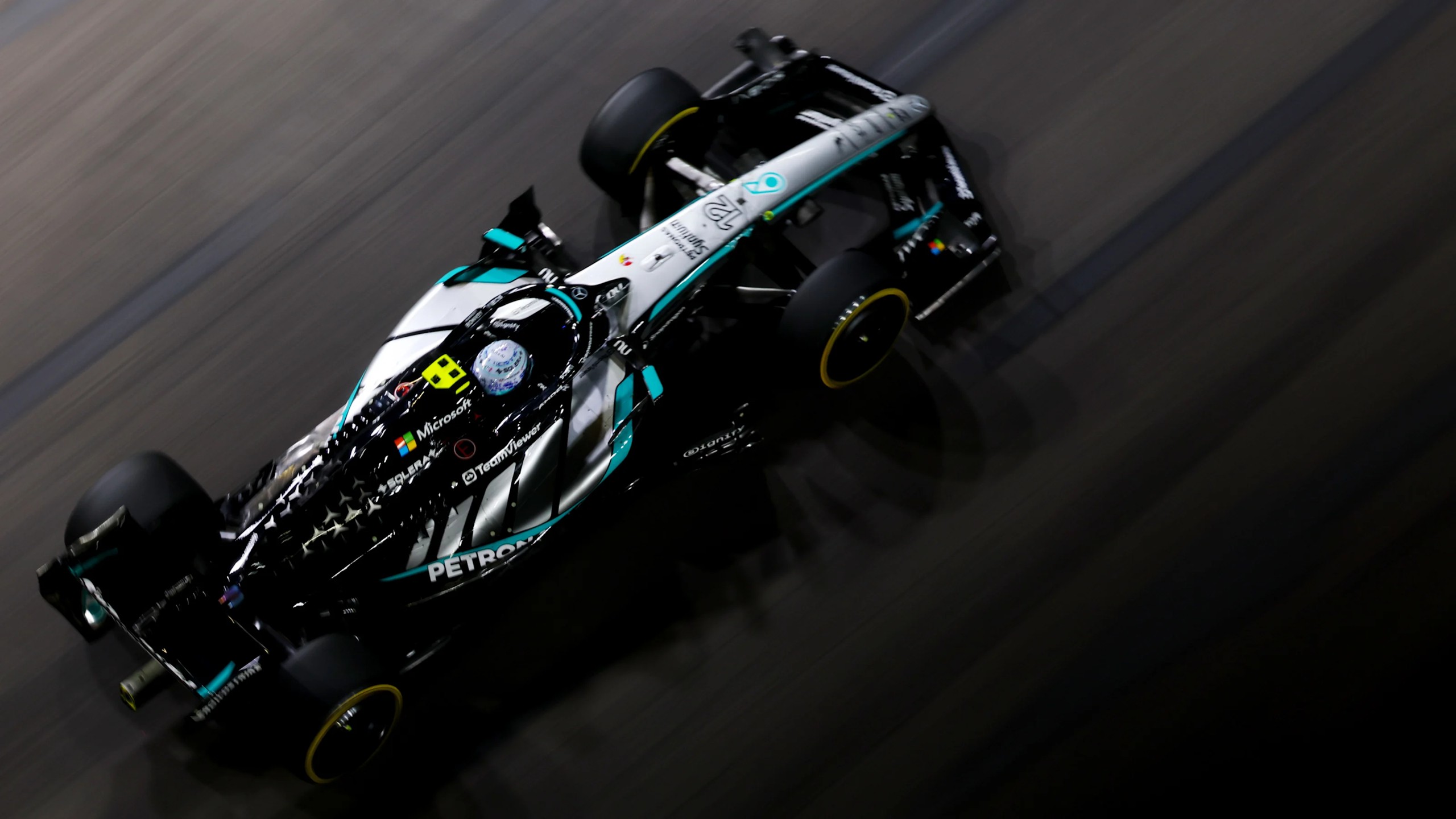
Russell, meanwhile, told F1 that the older specification had at least shown it was not bad. He did not directly conclude that the new package was ineffective. Instead, he said the team had not yet reached a conclusion proving that the upgrade did not work, although the lap times so far had failed to provide the encouraging feedback it wanted from the new components.
Russell’s back-of-the-grid penalty for changing power-unit components applies to Sunday’s Grand Prix. It does not affect his second-place starting position for Saturday’s Sprint. Grand Prix qualifying will follow the Sprint on Saturday, and Sunday’s actual starting order will be determined by the qualifying results together with the applicable penalties.
INKA SPORTS analysis: the gap is clear, but the contribution of individual parts remains uncertain
The 0.573-second gap is the actual difference between the two drivers’ best laps. Taken alongside the comments from Antonelli and Shovlin, it indicates that Mercedes needs to prioritise predictability under braking and on corner entry. If a driver cannot anticipate how the car will respond next, it becomes harder to extract its full performance on a crucial lap at a street circuit. Because the comparison involves different drivers and complete car configurations, those 0.573 seconds describe the difference between two whole laps; they cannot isolate the benefit of the front wing.
Antonelli had already returned to the older front wing and was still struggling, which further defines what the team needs to investigate: how the overall upgrade package works with the setup. If he subsequently delivers better timed laps repeatedly in comparable track conditions and on similar tyres, while also regaining confidence under braking, that would support the effectiveness of the changes.
Conclusion
Friday confirmed Russell’s competitiveness and gave Mercedes more specific problems to address with the newer package. Its next task is to make the car’s responses easier for Antonelli to predict and to assess the effect of its adjustments through sustained performance.