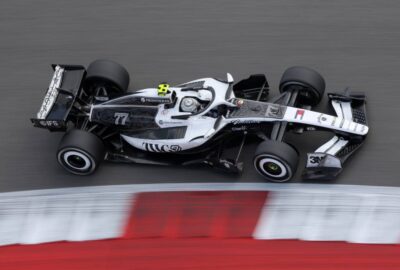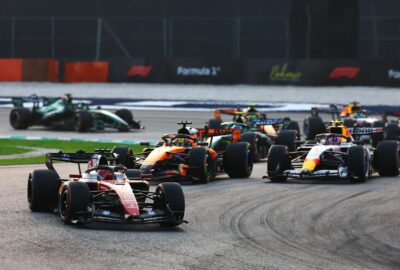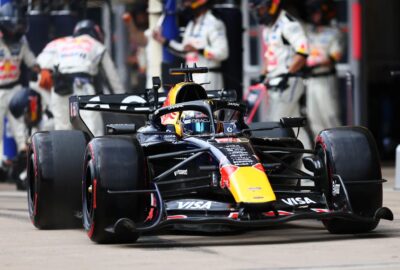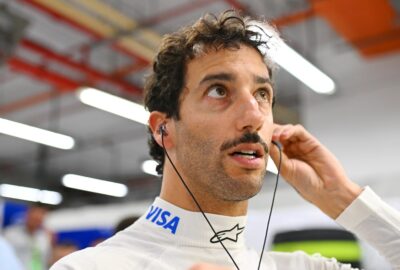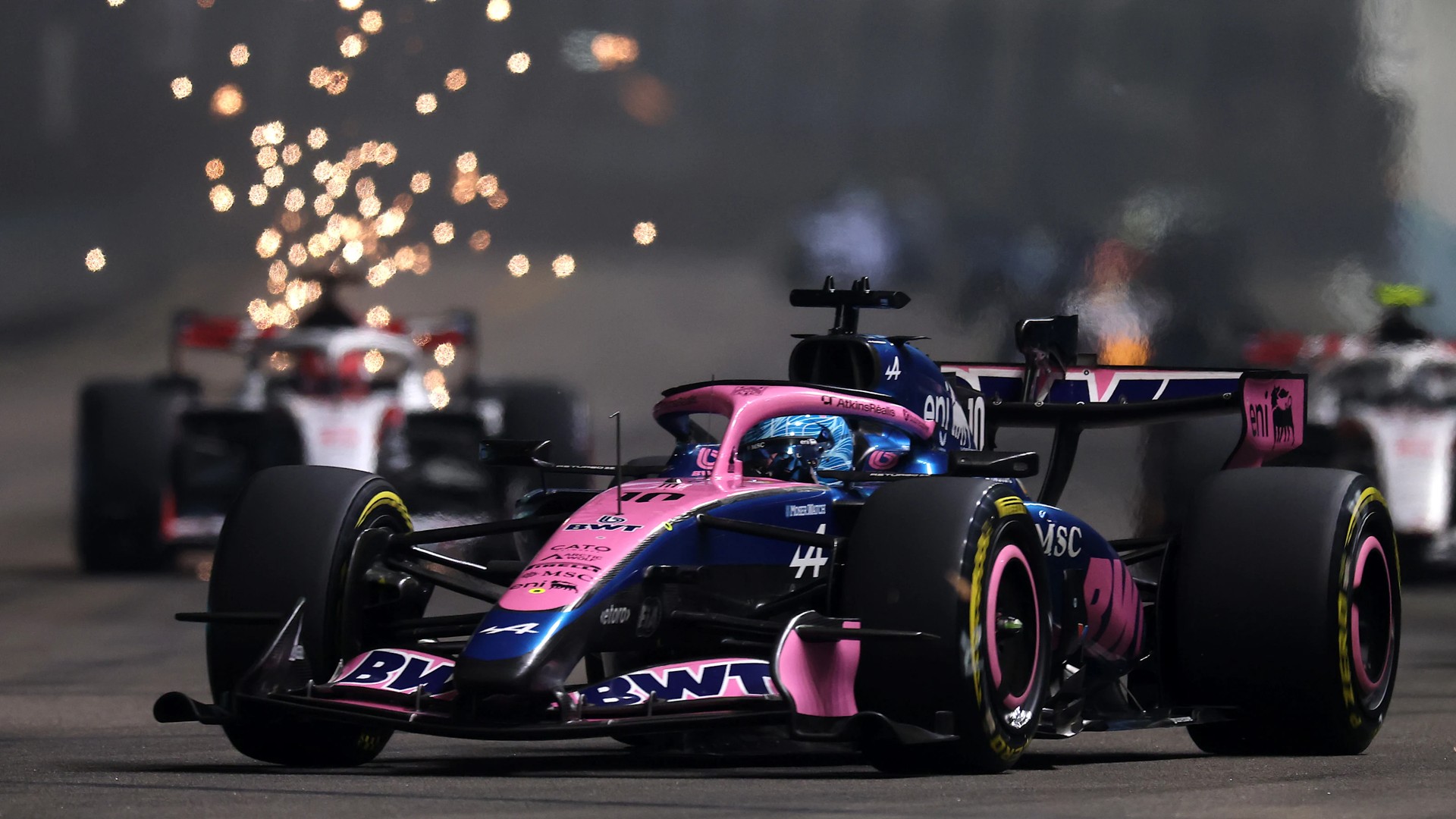
Gasly started seventh in Singapore on October 11 and finished eleventh. In Motorsport.com's October 14 interview, he described the single-lap versus long-run contrast: rear tires could not sustain their ideal state, with frequent sliding on throttle affecting exit acceleration.
Qualifying strengths do not last through a stint
He felt one qualifying lap did not accumulate the same heat. After a race tire change the first lap or two felt reasonable, but by lap three overheating and poor traction were clear. Traction means converting power to forward acceleration; that sequence describes his driving feel.
Alpine's October 11 report confirms new mediums at the start and new softs on lap 29. Gasly cited low start power letting Lawson and Hülkenberg pass, while Singapore's rear-axle demands exposed exit limits.
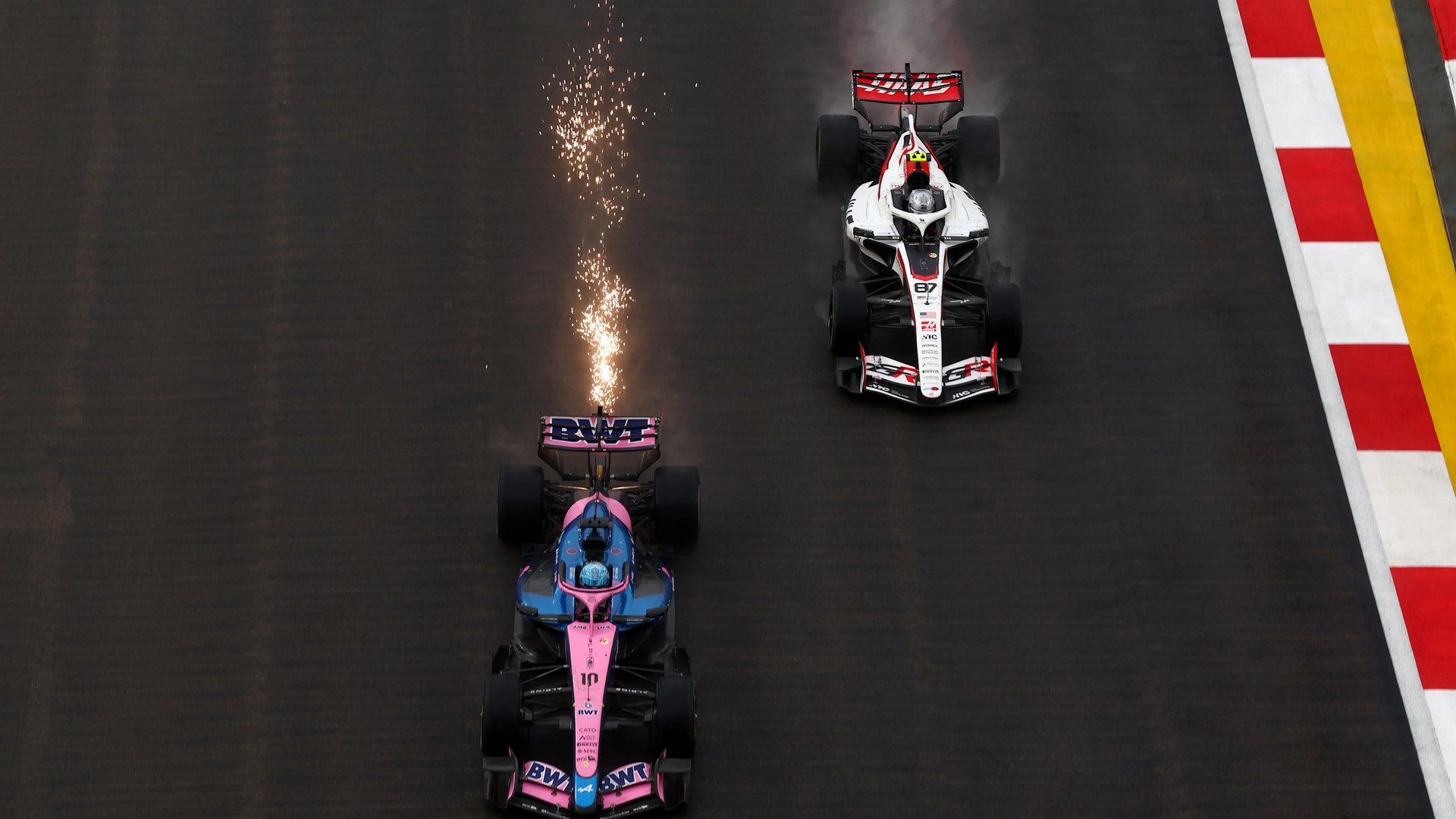
The later loss also mattered. Motorsport.com's recap had Gasly tenth on lap 55 before Hadjar passed for the final point. Gasly said even where he felt quicker than Hülkenberg, exit sliding lost ground that straight-line electrical deployment could not recover.
INKA SPORTS analysis: Why the late points position could not be defended
Running tenth on lap 55 but finishing eleventh shows that the loss of points unfolded late in the race. Start losses made life harder without explaining the later failure to defend tenth. His rear-tire feedback makes sustained acceleration more directly relevant than start or qualifying alone.
Defense begins with enough exit speed. In his description, throttle-induced sliding makes following harder and allows a pursuer closer on the straight. Electrical deployment works on top of that exit condition. Qualifying potential does not directly deliver repeated defensive laps.
Gasly noted Q3 in three consecutive Grand Prix qualifying sessions, four including Singapore Sprint Qualifying, without points. That supports examining long runs but does not isolate one component. Comparable tire, track and traffic conditions should test whether relative late pace and exit sliding improve together. Another Q3 alone cannot answer it.
Conclusion
The task is extending flying-lap ability to the end of points contention. Losing tenth late corresponds with reported traction limits and defines an investigation direction; the team still must establish the technical cause. Full-stint competitiveness is the test.