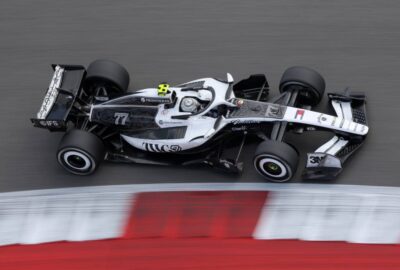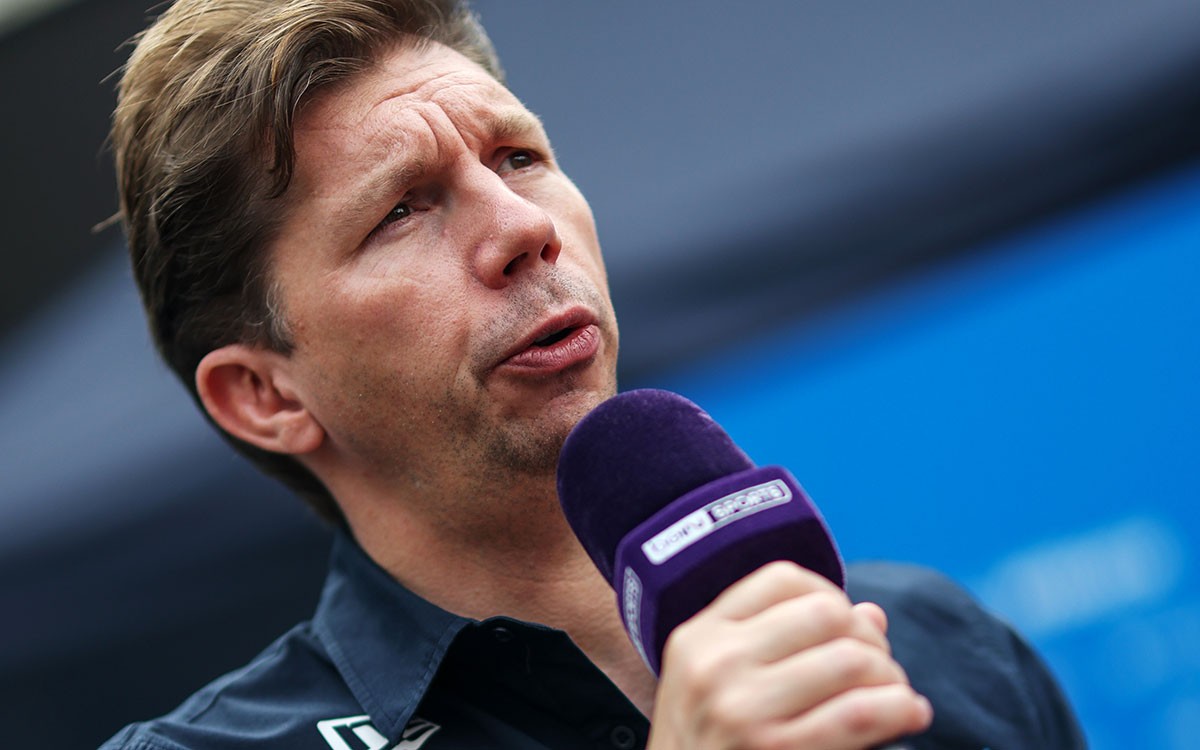
Williams' October 15 official news roundup revisited Team Principal James Vowles' proposals to retain cost-cap financial stability while allowing more investment for chasing teams. The cap limits defined annual spending; the question is whether similar allowances can close gaps between different starting points.
Basic systems compete for budget too
At a media event in Sepang, Vowles said substantial investment was still needed in factory basics, even tracking where parts are. He sees these as prerequisites for normal operations competing with direct car improvements, central to his explanation of catch-up difficulty.
He did not seek abolition, proposing extra investment room for teams outside the top four according to their circumstances. He acknowledged the current system’s contribution to financial stability, focusing his proposal on teams’ differing existing foundations.
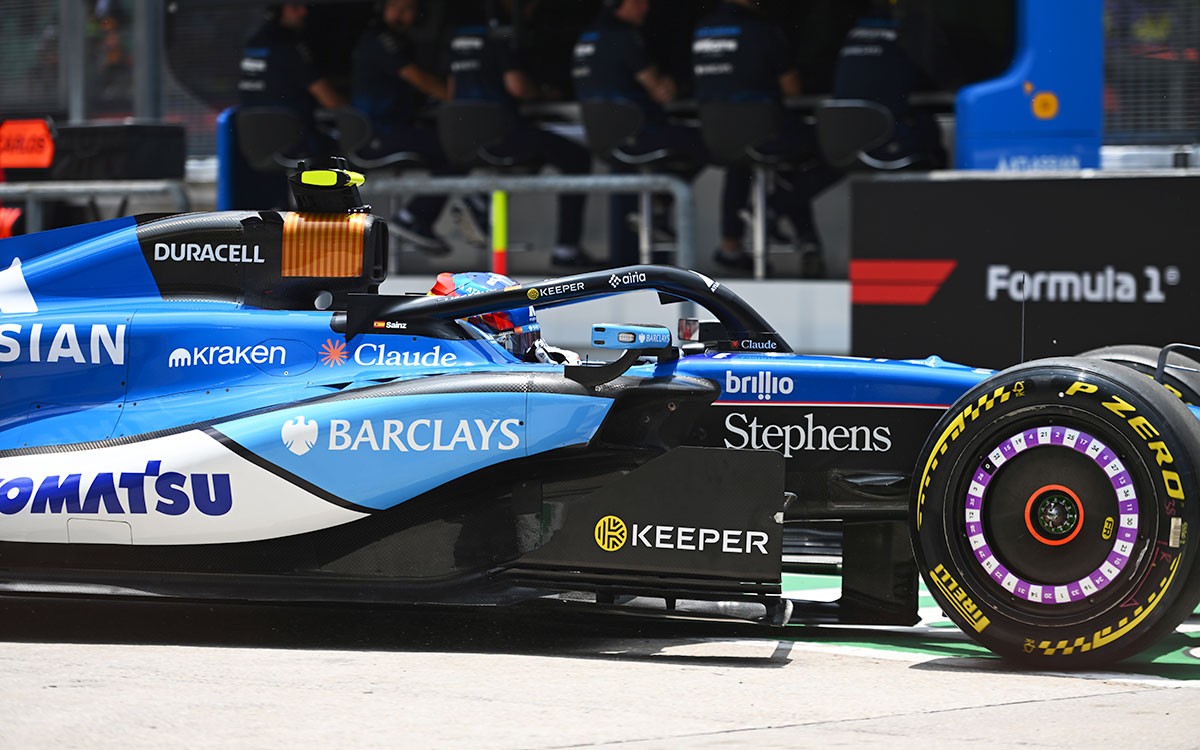
INKA SPORTS analysis: Similar annual spending does not mean equal starting points
Vowles distinguishes maintaining existing capability from building missing capability. A team with mature production and tracking can spend more of the same budget on car development; a pursuer must first fill those gaps. Factory-management spending may create development conditions without immediate lap-time gains.
Effectiveness therefore depends on which capabilities are added and sustained development efficiency, not just permitted money. More room cannot guarantee a smaller competitive gap: resource use, staff and technical choices still matter.
Conclusion
Vowles wants stability plus rebuilding room. Williams' pursuit includes basic parts management as well as current-car spending. Scope and amounts await formal decisions, and success depends on turning investment into capability.