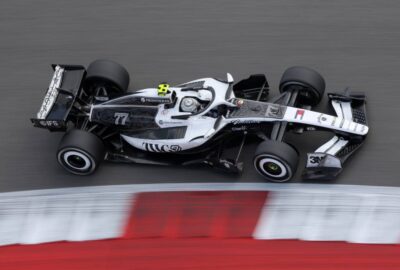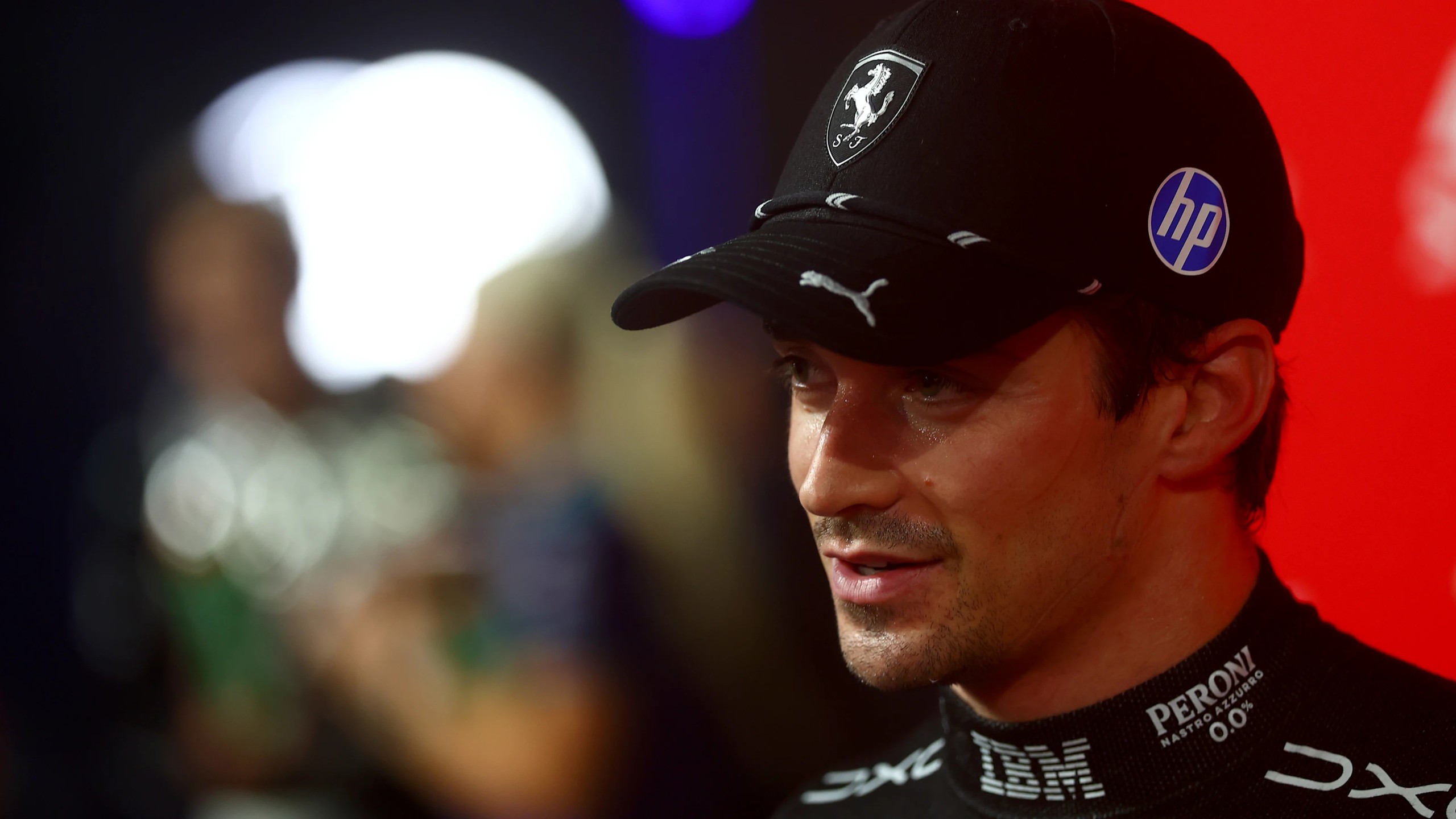
Ferrari occupied the top two positions during the medium-tyre phase of Sprint Qualifying in Singapore on October 9, but ultimately missed out on pole. Charles Leclerc finished third with a time of 1:31.399, while Lewis Hamilton was sixth on 1:31.702. Both drivers focused their post-session comments on their single-lap performance after switching to soft tyres.
From first and second in SQ2 to third and sixth in SQ3
The second phase of Sprint Qualifying, SQ2, was run on medium tyres. Leclerc was fastest with a 1:32.246, followed by Hamilton on 1:32.562. After the switch to softs for SQ3, Verstappen claimed Sprint pole with a 1:31.156, ahead of Russell in second. Leclerc finished 0.243 seconds off pole.
In F1’s official post-session interview, Leclerc said he had extracted the lap time the car could deliver at that point. He noted that his run plan included only one cooldown lap, whereas other drivers had used two, but did not believe that should be an excuse. In his view, Ferrari had recently lacked the overall pace to challenge the leading rivals consistently.
That assessment did not mean he dismissed the value of third place. In the team’s post-session comments, Leclerc still regarded it as a valuable starting position for the Sprint, stressing the importance of starting near the front at a circuit where overtaking is difficult. He also hoped small adjustments could improve his performance in Saturday’s Grand Prix qualifying.
Hamilton admits his plan was wrong, while the rear-tyre problem remains unresolved
Hamilton made only one timed attempt in SQ3. He said the first two phases had felt good, but after switching to soft tyres he used a different run plan from some of his rivals. He acknowledged that it was his own choice and, in hindsight, the wrong one. On that timed lap, the car reacted abruptly and suffered significant oversteer: its rear was more prone to sliding away from the direction in which he wanted to travel.
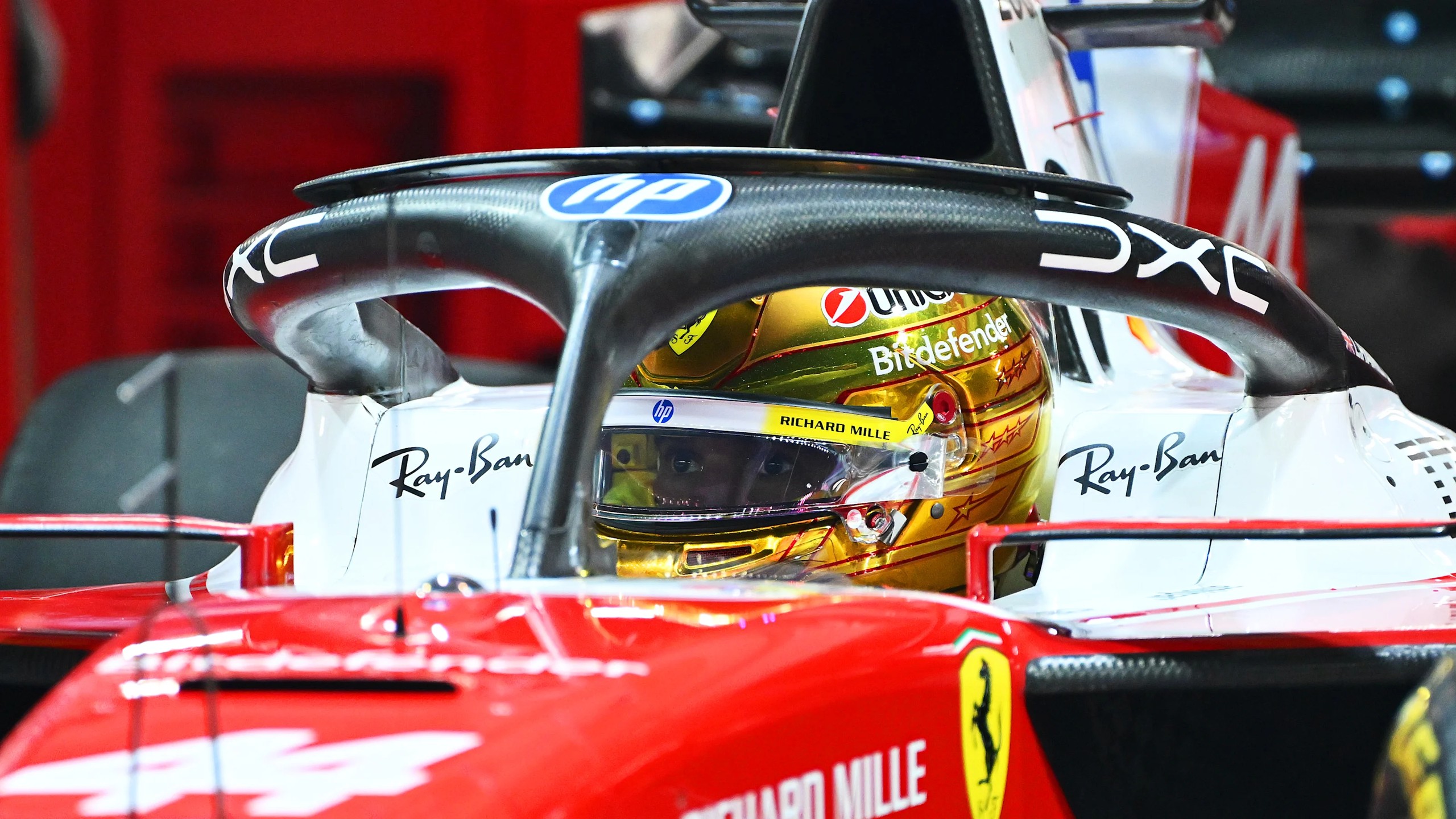
Hamilton did not settle on a single explanation. In his F1 interview, he raised both insufficient rear-tyre preparation and overheating as possibilities; his comments in the team’s report also mentioned the car’s balance. He felt he lacked rear grip on the timed lap, but the precise cause still needed to be established from the data.
Team principal Vasseur also noted that Ferrari had performed better on mediums than on softs and said the team would continue working on its soft-tyre performance. This referred to competitiveness against its rivals: Ferrari’s own SQ3 lap times were still faster than those in SQ2. The problem was that the tyre change had not allowed Ferrari to maintain its earlier position relative to the opposition.
INKA SPORTS analysis: a single timed attempt leaves little room to recover
Hamilton staked his SQ3 result on one timed attempt, and the lack of rear grip directly compromised that opportunity. He had no second timed lap on which to improve. The team needs to review both the run plan and rear-tyre preparation. More attempts would provide an opportunity to make adjustments, but producing a better lap would still depend on resolving the rear-grip problem.
First and second in SQ2 also cannot be taken as a direct measure of pole-position potential. The tyres used and the timed laps completed differ between phases, while rivals can also improve in SQ3. A more useful test on Saturday will be whether Ferrari can enable both drivers to deliver good laps consistently on softs while reducing the gap to the front.
Conclusion
Ferrari’s Friday offered two clear signals: it was competitive on mediums, but had yet to make the most of the decisive laps on soft tyres. Hamilton accepted that his choice of run plan was wrong, while the team still needed to establish the exact cause of the lack of rear grip. Any improvement on Saturday should be reflected in more consistent laps on softs and in the actual gap to the leading cars.