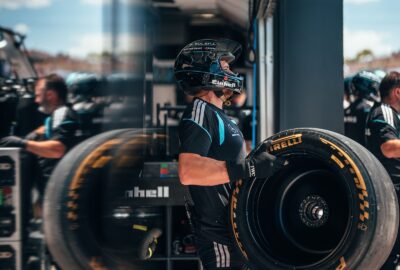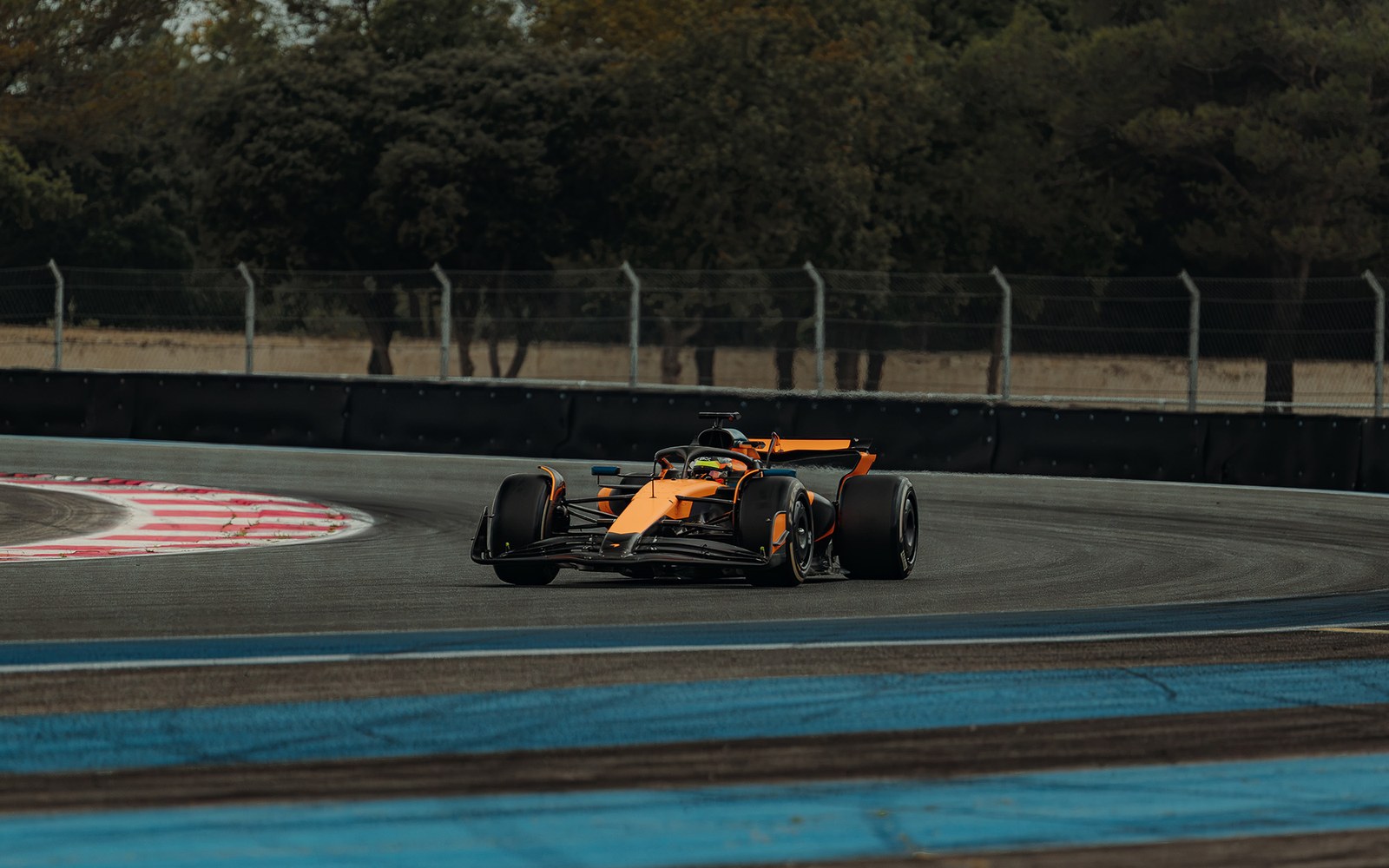
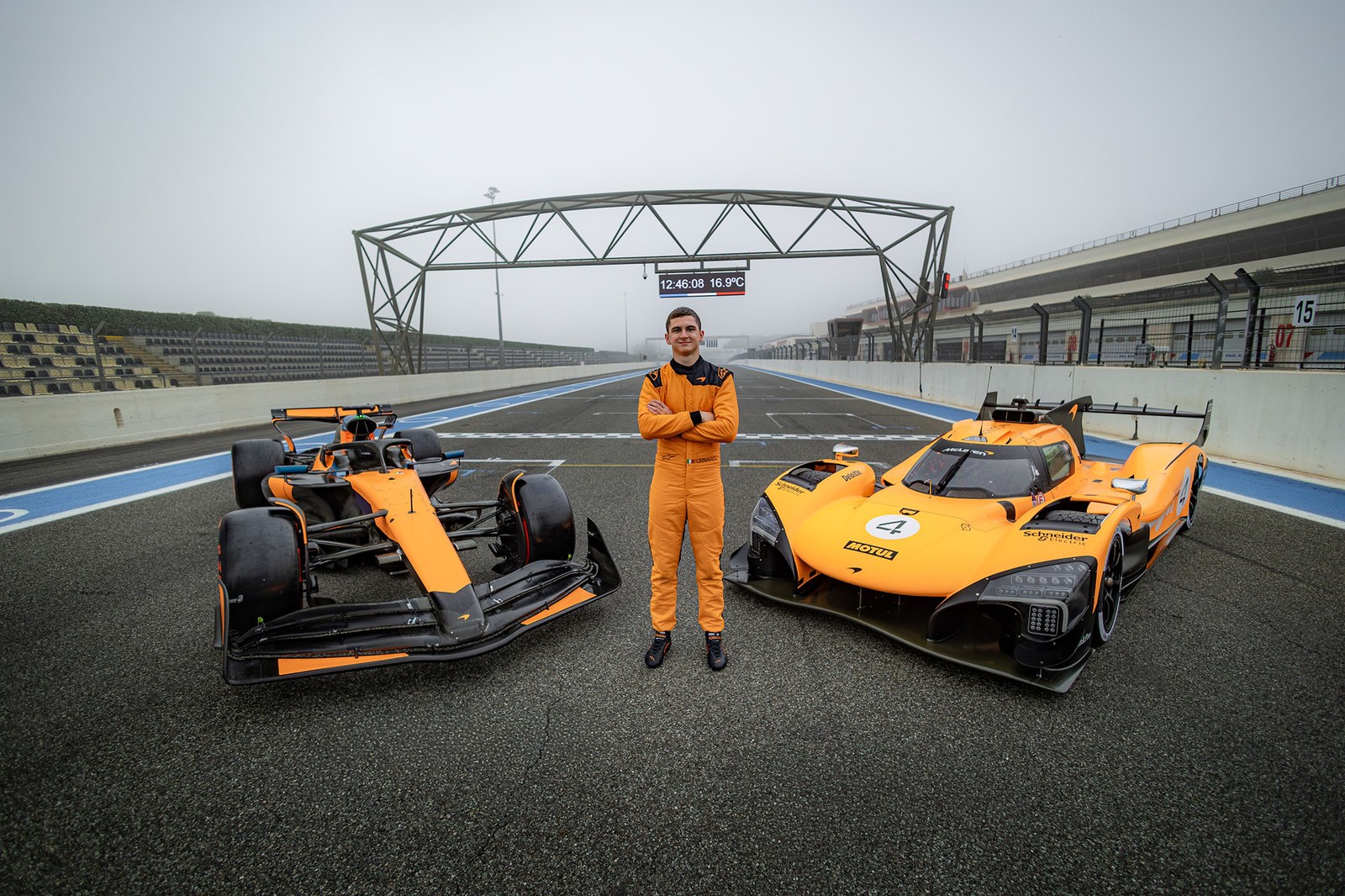
McLaren confirmed Leonardo Fornaroli will drive this season's MCL40 in FP1 at Mexico City and São Paulo. Preparing for those Grand Prix duties, he has tested an older F1 car at France's Paul Ricard. Long runs, setup experiments and simulator development shared a program with different tasks for two drivers.
The update, issued early on October 20 China Standard Time (UTC+8), stated that Fornaroli had already completed FP1 at Barcelona-Catalunya and Hungary. Mexico City and São Paulo will fulfill McLaren's final two mandatory rookie sessions this year. Those outings use the MCL40, different from the test car.
Fifty-eight laps to prepare for two FP1 appearances
Fornaroli completed 58 laps and 339 kilometers at Paul Ricard, his sixth test in McLaren's Driver Development Programme. Longer continuous runs simulated FP1 requirements. Afternoon rain interrupted running, but the planned program was completed.
After concluding MCL60 older-car testing in July, McLaren took the 2025 MCL39 to Paul Ricard for the first time and tried various setups. Fornaroli said Mexico City's altitude would bring a new physical challenge and Interlagos' varied technical corners also appealed. He regarded returning to an F1 car as important preparation.
Test and development driver Jake Hughes also drove the MCL39. On the first of the two test days, he completed 52 laps and 298 kilometers to establish real-car references for McLaren simulator development. This was his second team F1 test this year after Barcelona. Their emphasis and running arrangements differed.
| Driver | Role in this test | Laps | Distance (kilometers) |
|---|---|---|---|
| Fornaroli | Reserve driver / FP1 preparation | 58 | 339 |
| Jake Hughes | Testing and development / simulator reference | 52 | 298 |
Continuing as an F1 reserve in 2027
A separate announcement defined Fornaroli's 2027 plans: remaining a McLaren F1 reserve and racing in the new Hypercar project. The 21-year-old Italian won consecutive F3 and F2 championships in 2024 and 2025 before joining McLaren's development system. Reserve duties therefore remain part of his next phase.
INKA SPORTS analysis: Different tasks for testing and official FP1
The key distinction is older-car testing, Grand Prix FP1 and simulator development. Paul Ricard's MCL39 provides familiarization, continuous running and setup opportunities; Mexico City and São Paulo put Fornaroli into current MCL40 Grand Prix procedures. The former prepares for the latter's specific weekend tasks.
Hughes adds a separate development connection: real driving provides simulator references, while Fornaroli's long runs build FP1 experience. One test car can serve different tasks. Laps and kilometers record running quantities, not relative driver speed.
Conclusion
The arrangement connects pre-FP1 preparation with longer-term development. Fornaroli takes MCL39 experience into the MCL40, while Hughes returns real-car references to the simulator. Their parallel work has distinct value in rookie weekend preparation and development feedback.